THE ADVENTURE COLLECTIVE® · Independent discovery and booking for outdoor travel

A compact four-day circuit from the Eilat crossing to Amman, this route pairs Wadi Rum’s desert 4x4s with Petra’s rose-red canyons and the ancient streets of Jerash. Ideal for travelers seeking concentrated culture, geology and Bedouin hospitality with minimal fuss.
A compact four-day circuit from the Eilat crossing to Amman, this route pairs Wadi Rum’s desert 4x4s with Petra’s rose-red canyons and the ancient streets of Jerash. Ideal for travelers seeking concentrated culture, geology and Bedouin hospitality with minimal fuss.
You step off the bus at the Jordanian border and the light changes — ochre dunes, rust-red cliffs, and a sky that seems to stretch forever. The first day pushes you into Wadi Rum: a 4–5 hour 4x4 jeep route of towering rock bridges, Lawrence Spring and rolling sand dunes, finishing at a Bedouin camp where a clear desert night hands you a galaxy.
Verified experiences and guided adventures in the surrounding area.
Operated by Jordan Horizon Tours · Wadi Musa, Ma'an Governorate
You step off the bus at the Jordanian border and the light changes — ochre dunes, rust-red cliffs, and a sky that seems to stretch forever. The first day pushes you into Wadi Rum: a 4–5 hour 4x4 jeep route of towering rock bridges, Lawrence Spring and rolling sand dunes, finishing at a Bedouin camp where a clear desert night hands you a galaxy.
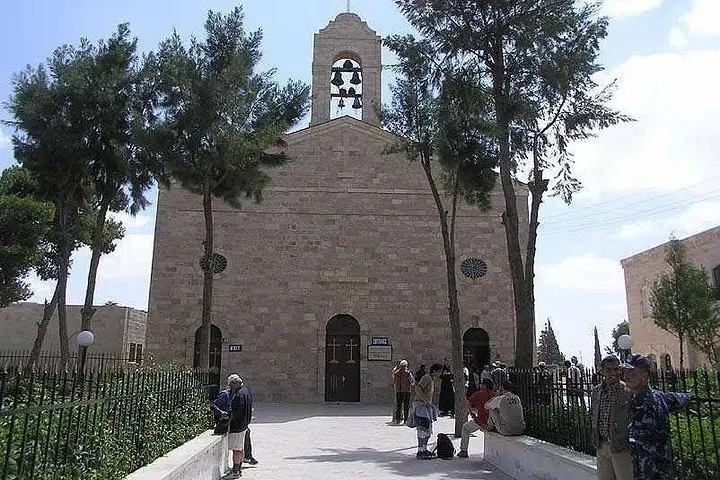
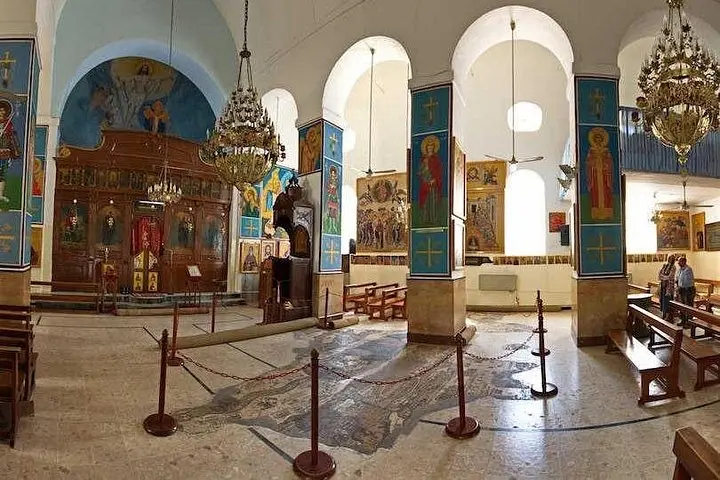
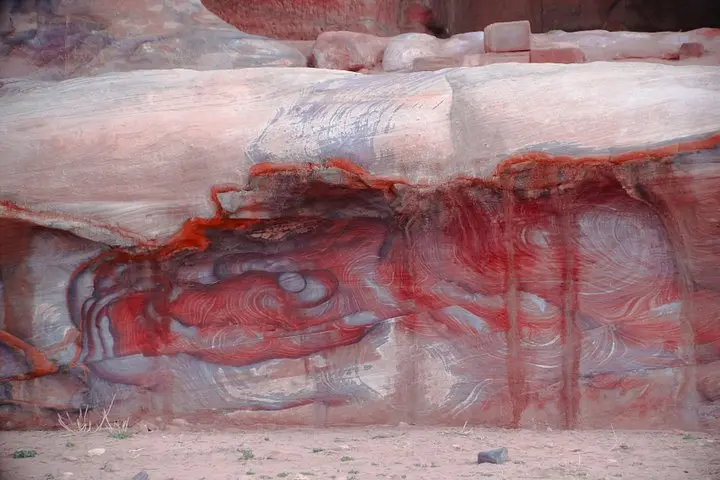
The next morning brings Petra. Walk the Siq’s narrowing canyon and emerge on the Treasury’s porch of stone; an English-speaking guide leads roughly 2.5–3 hours through the highlights — Street of Facades, Royal Tombs and Qasr al-Bint — with time to explore beyond. Day three follows the ancient Kings Highway, pausing at Dana viewpoints, Karak Castle’s Crusader keeps, Madaba’s sixth-century mosaic map and Mt. Nebo, where tradition says Moses viewed the plains below. The finale is Jerash, a remarkably intact Roman city with colonnades, a forum and Hadrian’s Arch.
Expect varied terrain: sandy tracks and rocky jeep trails in Wadi Rum, paved but uneven rockwork and steps in Petra, and flat archaeological plazas in Jerash. Moderate fitness is required — several hours of walking each day and some short climbs; sturdy shoes, sun protection and at least 2 liters of water per day are essential. Nights can be cold in the desert, so bring a warm layer for the camp. Logistics are straightforward: transfers, entrance fees and two nights’ hotel plus one Bedouin camp night are typically included; allow time for border formalities and carry passport copies.
Many nationalities receive a visa-on-arrival when staying more than two nights; confirm your specific requirements before travel and carry passport copies.
Petra includes several hours of walking over uneven stone and steps (guided segment ~2.5–3 hours plus self-explore). Wadi Rum jeep tours minimize walking but may include short hikes and optional camel rides.
Camps typically offer simple private or shared tents with bedding, dinner and breakfast; facilities vary so check for restroom arrangements and bring any personal comfort items needed.
Most operators provide vegetarian options and can often accommodate common dietary needs with advance notice; disclose restrictions at booking.
Jordan Horizon Tours operates guided outdoor trips and adventures with an emphasis on safety, stewardship, and memorable experiences.
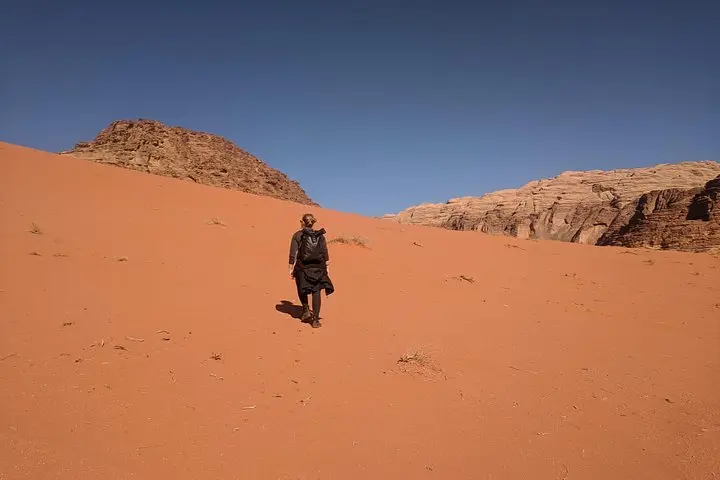
You step off the bus at the Jordanian border and the light changes — ochre dunes, rust-red cliffs, and a sky that seems to stretch forever. The first day pushes you into Wadi Rum: a 4–5 hour 4x4 jeep route of towering rock bridges, Lawrence Spring and rolling sand dunes, finishing at a Bedouin camp where a clear desert night hands you a galaxy.
You step off the bus at the Jordanian border and the light changes — ochre dunes, rust-red cliffs, and a sky that seems to stretch forever. The first day pushes you into Wadi Rum: a 4–5 hour 4x4 jeep route of towering rock bridges, Lawrence Spring and rolling sand dunes, finishing at a Bedouin camp where a clear desert night hands you a galaxy.
The next morning brings Petra. Walk the Siq’s narrowing canyon and emerge on the Treasury’s porch of stone; an English-speaking guide leads roughly 2.5–3 hours through the highlights — Street of Facades, Royal Tombs and Qasr al-Bint — with time to explore beyond. Day three follows the ancient Kings Highway, pausing at Dana viewpoints, Karak Castle’s Crusader keeps, Madaba’s sixth-century mosaic map and Mt. Nebo, where tradition says Moses viewed the plains below. The finale is Jerash, a remarkably intact Roman city with colonnades, a forum and Hadrian’s Arch.
Expect varied terrain: sandy tracks and rocky jeep trails in Wadi Rum, paved but uneven rockwork and steps in Petra, and flat archaeological plazas in Jerash. Moderate fitness is required — several hours of walking each day and some short climbs; sturdy shoes, sun protection and at least 2 liters of water per day are essential. Nights can be cold in the desert, so bring a warm layer for the camp. Logistics are straightforward: transfers, entrance fees and two nights’ hotel plus one Bedouin camp night are typically included; allow time for border formalities and carry passport copies.