THE ADVENTURE COLLECTIVE® · Independent discovery and booking for outdoor travel

Explore Kinshasa on foot with a local guide who stitches together colonial history, river legends and everyday culture. This two-hour walking tour visits key neighborhoods, markets and riverside viewpoints for an accessible introduction to the city.
Explore Kinshasa on foot with a local guide who stitches together colonial history, river legends and everyday culture. This two-hour walking tour visits key neighborhoods, markets and riverside viewpoints for an accessible introduction to the city.
The walk begins at a busy junction where taxis and market vendors set the tempo and the Congo River keeps time a short walk away. Participants move through broad avenues and tight neighborhood lanes, following a local guide who points out colonial facades, bustling markets and riverside views that frame the city’s long story.
Verified experiences and guided adventures in the surrounding area.
Operated by Opatrip.com Congo · Kinshasa, Kinshasa
The walk begins at a busy junction where taxis and market vendors set the tempo and the Congo River keeps time a short walk away. Participants move through broad avenues and tight neighborhood lanes, following a local guide who points out colonial facades, bustling markets and riverside views that frame the city’s long story.
Kinshasa was once Léopoldville, renamed after independence; that change is visible in building plaques, street names and conversations with residents. The geology is simple but present—the city sits on the southern bank of the Congo with patches of sandy soil and exposed laterite in older courtyards, while the river’s presence shaped trade routes and neighborhood growth. Culture here is alive: music drifts from storefronts, artists work on murals, and oral history threads through the guide’s legends about river spirits and colonial-era events.
Expect a two-hour, low-elevation urban stroll with frequent stops to hear stories, take photos and explore markets. Walk surfaces vary between paved avenues, concrete sidewalks and occasional uneven cobbles; comfortable shoes are essential. Morning tours avoid the hottest part of the day and bring softer light for photos; later departures show the city in full swing. Bring water, a sun hat, small bills for markets and an open mind for lively conversation.
Practical tips: pick a morning slot for cooler temperatures, confirm meeting point with your guide, and allow time for traffic if you’re coming from farther neighborhoods. This tour privileges local interpretation—listen, ask questions and support small vendors when you can.
Meeting and end points are in central Kinshasa; confirm exact pickup location on your booking voucher—most groups begin near major crossroads or a named hotel.
Local guides typically speak French and Lingala; inquire with the operator ahead of time if you need another language or translation.
The tour is easy-paced and family-friendly, but uneven sidewalks and street crossings can be challenging for wheelchair users—contact the provider for accessibility accommodations.
This tour is sold as all sales final with no refunds for cancellations; check the booking details before confirming.
Opatrip.com Congo operates guided outdoor trips and adventures with an emphasis on safety, stewardship, and memorable experiences.
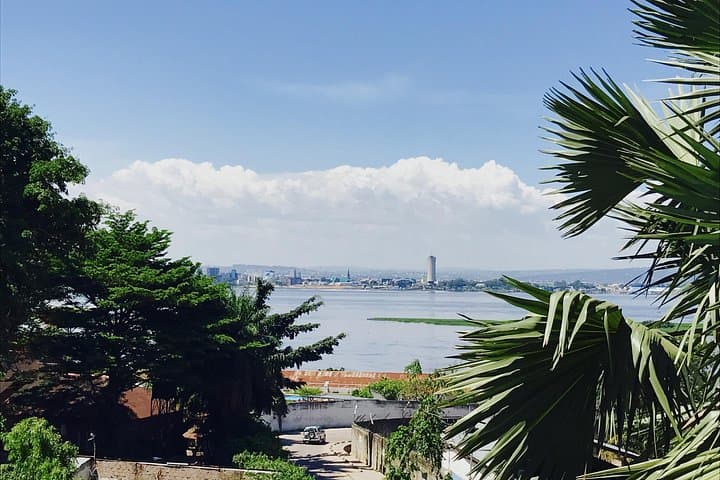
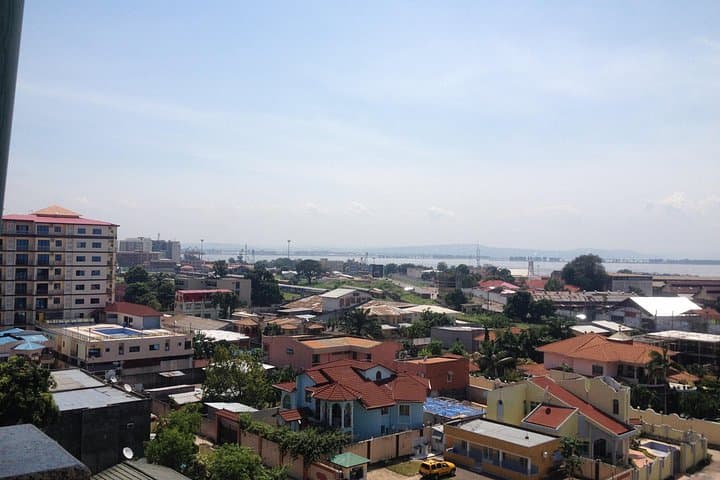
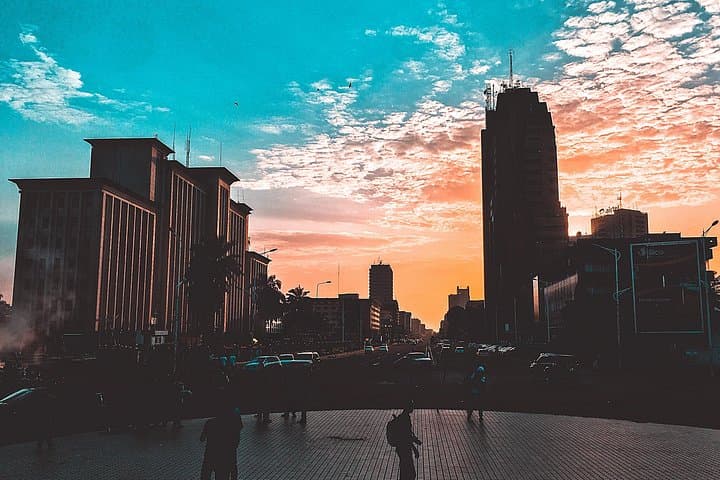
The walk begins at a busy junction where taxis and market vendors set the tempo and the Congo River keeps time a short walk away. Participants move through broad avenues and tight neighborhood lanes, following a local guide who points out colonial facades, bustling markets and riverside views that frame the city’s long story.
The walk begins at a busy junction where taxis and market vendors set the tempo and the Congo River keeps time a short walk away. Participants move through broad avenues and tight neighborhood lanes, following a local guide who points out colonial facades, bustling markets and riverside views that frame the city’s long story.
Kinshasa was once Léopoldville, renamed after independence; that change is visible in building plaques, street names and conversations with residents. The geology is simple but present—the city sits on the southern bank of the Congo with patches of sandy soil and exposed laterite in older courtyards, while the river’s presence shaped trade routes and neighborhood growth. Culture here is alive: music drifts from storefronts, artists work on murals, and oral history threads through the guide’s legends about river spirits and colonial-era events.
Expect a two-hour, low-elevation urban stroll with frequent stops to hear stories, take photos and explore markets. Walk surfaces vary between paved avenues, concrete sidewalks and occasional uneven cobbles; comfortable shoes are essential. Morning tours avoid the hottest part of the day and bring softer light for photos; later departures show the city in full swing. Bring water, a sun hat, small bills for markets and an open mind for lively conversation.
Practical tips: pick a morning slot for cooler temperatures, confirm meeting point with your guide, and allow time for traffic if you’re coming from farther neighborhoods. This tour privileges local interpretation—listen, ask questions and support small vendors when you can.