THE ADVENTURE COLLECTIVE® · Independent discovery and booking for outdoor travel

Explore Luxembourg’s layered history on a private three-hour walking tour that links Place d’Armes, the riverfront district of Grund, the cliff-top Corniche and the Bock Casemates. Expect cobbles, steps and high vantage points with a local guide to orient you.
Explore Luxembourg’s layered history on a private three-hour walking tour that links Place d’Armes, the riverfront district of Grund, the cliff-top Corniche and the Bock Casemates. Expect cobbles, steps and high vantage points with a local guide to orient you.
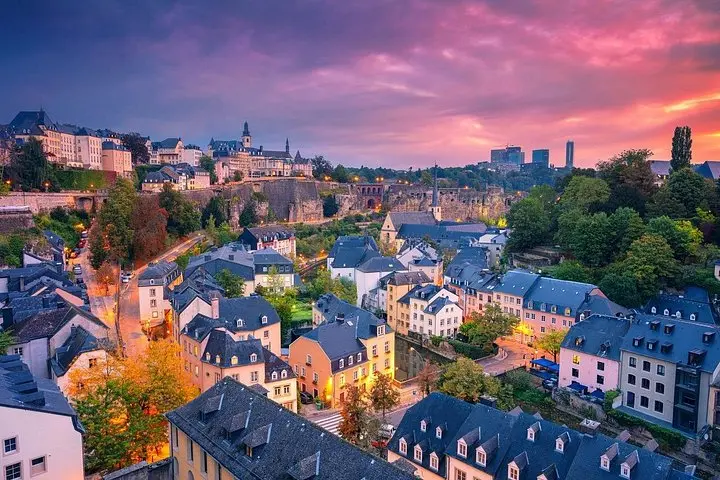
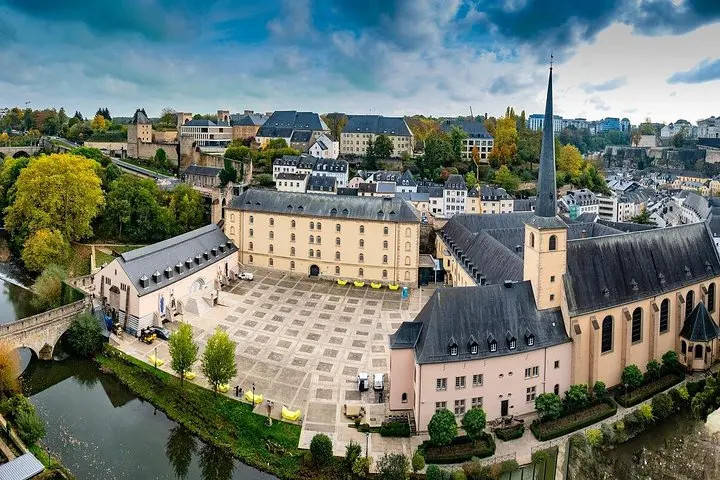
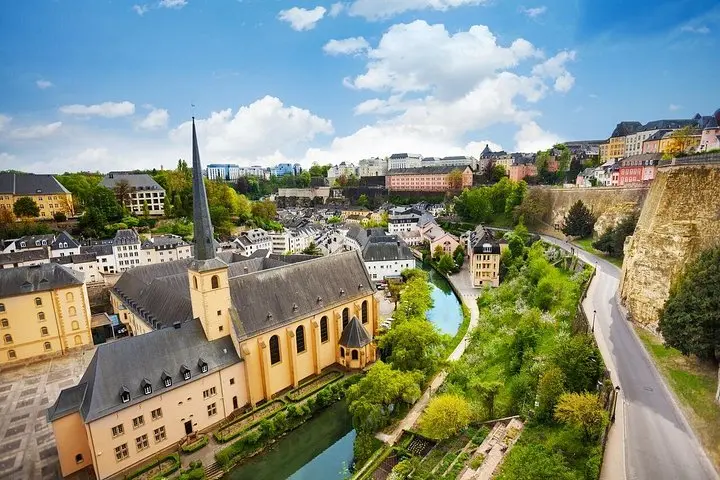
You step off Place d'Armes into a patchwork of cobbles, café tables and stone facades, the city folding itself around you like a map drawn in relief. In three hours a local guide threads together boulevards and backstreets — Avenue de la Liberté’s broad sweep, the compact alleys of Grund beside the Alzette, then the airy ledges of the Chemin de la Corniche with its cliff-side views, and finally the cool, echoing galleries of the Bock Casemates.
Verified experiences and guided adventures in the surrounding area.
Operated by Opatrip.com Luxembourg · Luxembourg City, Luxembourg
You step off Place d'Armes into a patchwork of cobbles, café tables and stone facades, the city folding itself around you like a map drawn in relief. In three hours a local guide threads together boulevards and backstreets — Avenue de la Liberté’s broad sweep, the compact alleys of Grund beside the Alzette, then the airy ledges of the Chemin de la Corniche with its cliff-side views, and finally the cool, echoing galleries of the Bock Casemates.
Luxembourg’s story is readable in its stones: medieval fortifications carved into cliffs, Renaissance townhouses and 19th-century bridges that span the narrow river gorges. Geologically, the city sits where the Alzette and Pétrusse rivers cut deep into sandstone and limestone, creating natural terraces that shaped defensive architecture and modern neighborhoods alike. Culturally the city is multilingual and compact — Luxembourgish, French and German word the streets — and life folds between international institutions and intimate local markets.
Practical guidance: this private walk covers roughly 3–4 km with multiple stair sections and standing viewpoints; expect uneven cobbles and short flights of stairs rather than long ascents. Wear supportive walking shoes, bring a refillable water bottle, and time the tour for early morning or late afternoon to avoid peak coach arrivals. Public transport links and restroom stops are close to most highlights; the tour is flexible on route and pace but check accessibility needs in advance, as the casemates and some viewpoints use steep steps. For photographers, aim for soft light along the Chemin de la Corniche. Respect signage in historic sites and follow your guide’s advice to help preserve fragile stonework.
Most private tours start at Place d'Armes in the city center and end near the Bock/Corniche area, but your guide can adjust start or end points on request.
Yes—it's labeled easy and suitable for all fitness levels, though some stairs in the casemates and Grund may be challenging for limited-mobility travelers.
Admission policies vary; the itinerary lists the casemates as a stop but confirm whether entrance fees are included when booking.
Guides in Luxembourg often speak multiple languages—confirm your preferred language at booking to ensure availability.
Opatrip.com Luxembourg operates guided outdoor trips and adventures with an emphasis on safety, stewardship, and memorable experiences.

You step off Place d'Armes into a patchwork of cobbles, café tables and stone facades, the city folding itself around you like a map drawn in relief. In three hours a local guide threads together boulevards and backstreets — Avenue de la Liberté’s broad sweep, the compact alleys of Grund beside the Alzette, then the airy ledges of the Chemin de la Corniche with its cliff-side views, and finally the cool, echoing galleries of the Bock Casemates.
You step off Place d'Armes into a patchwork of cobbles, café tables and stone facades, the city folding itself around you like a map drawn in relief. In three hours a local guide threads together boulevards and backstreets — Avenue de la Liberté’s broad sweep, the compact alleys of Grund beside the Alzette, then the airy ledges of the Chemin de la Corniche with its cliff-side views, and finally the cool, echoing galleries of the Bock Casemates.
Luxembourg’s story is readable in its stones: medieval fortifications carved into cliffs, Renaissance townhouses and 19th-century bridges that span the narrow river gorges. Geologically, the city sits where the Alzette and Pétrusse rivers cut deep into sandstone and limestone, creating natural terraces that shaped defensive architecture and modern neighborhoods alike. Culturally the city is multilingual and compact — Luxembourgish, French and German word the streets — and life folds between international institutions and intimate local markets.
Practical guidance: this private walk covers roughly 3–4 km with multiple stair sections and standing viewpoints; expect uneven cobbles and short flights of stairs rather than long ascents. Wear supportive walking shoes, bring a refillable water bottle, and time the tour for early morning or late afternoon to avoid peak coach arrivals. Public transport links and restroom stops are close to most highlights; the tour is flexible on route and pace but check accessibility needs in advance, as the casemates and some viewpoints use steep steps. For photographers, aim for soft light along the Chemin de la Corniche. Respect signage in historic sites and follow your guide’s advice to help preserve fragile stonework.