THE ADVENTURE COLLECTIVE® · Independent discovery and booking for outdoor travel

Spend three days moving between Karnak, Luxor Temple and the royal necropolises while an Egyptologist guide lays out the politics and ritual that shaped these sites. Early starts, sun protection and comfortable shoes make the difference between a good visit and a great one.
Spend three days moving between Karnak, Luxor Temple and the royal necropolises while an Egyptologist guide lays out the politics and ritual that shaped these sites. Early starts, sun protection and comfortable shoes make the difference between a good visit and a great one.
The Nile steps away, morning heat already pressing on the stone as you step into a city that was once Thebes. Daylight slides across the colossi and casts long shadows into tomb corridors; the air smells faintly of dust, citrus and diesel from the small fleet of tour vans that shuttle travelers between banks.
Verified experiences and guided adventures in the surrounding area.
Operated by Best Of Egypt Tours · Luxor, Luxor Governorate
The Nile steps away, morning heat already pressing on the stone as you step into a city that was once Thebes. Daylight slides across the colossi and casts long shadows into tomb corridors; the air smells faintly of dust, citrus and diesel from the small fleet of tour vans that shuttle travelers between banks.
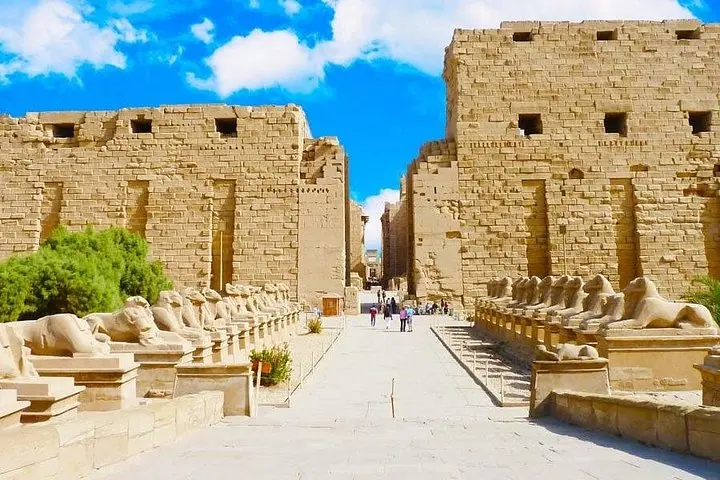
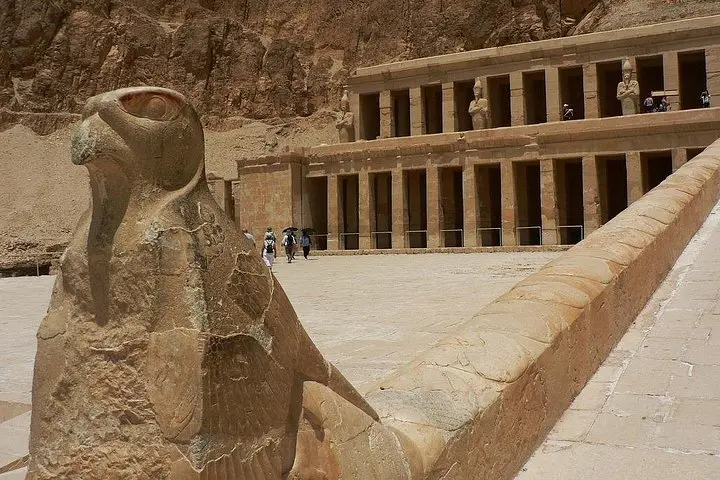
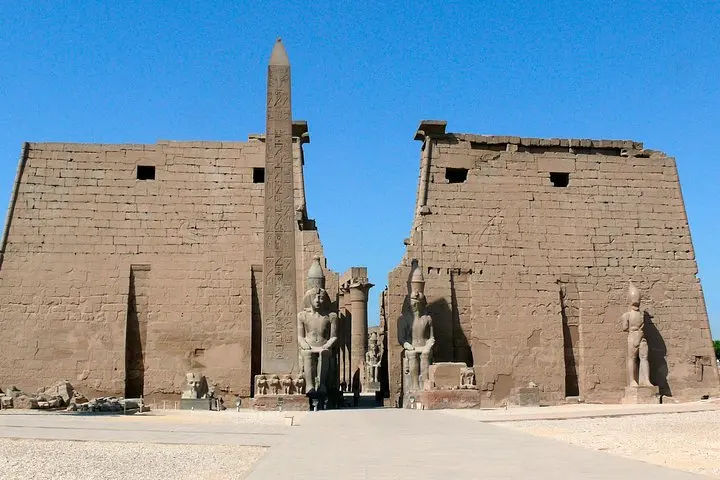
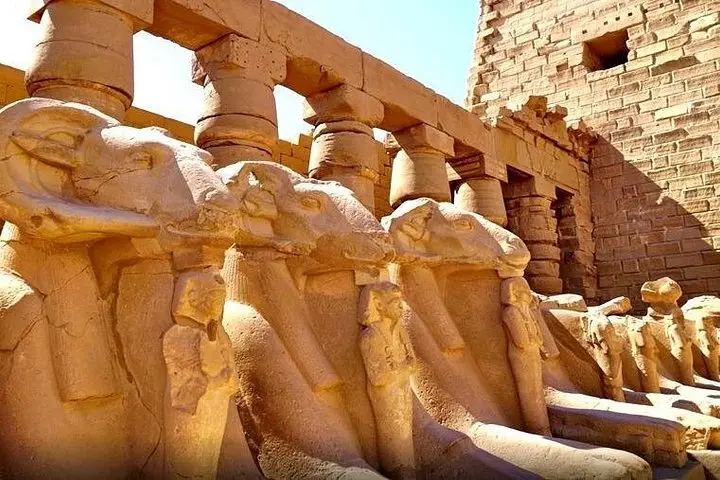
Luxor’s landscape is both human and geological: a narrow fertile strip along the Nile, a broad lunar plain of desert to the west where pharaohs cut tombs into limestone and sandstone. The three-day loop through Karnak, Luxor Temple, the Valley of the Kings and Deir el-Medina threads together New Kingdom religion, royal funerary architecture and artisan culture. Karnak’s Hypostyle Hall still leans heavy with scale; Hatshepsut’s terraces rise cleanly from the cliff at Deir el-Bahari; the tombs in the Valley whisper painted scenes of gods and afterlife rites.
Culturally, modern Luxor is a working city of markets, feluccas and hospitality; local guides are often licensed Egyptologists who can layer names, dates and dynastic politics over what you see.
Practical guidance: plan early starts to beat heat and crowds, wear sturdy closed shoes for uneven tomb ramps and bring a hat, sunscreen and reusable water. Tickets and some temple admissions are handled separately—confirm which entries are included in your booking.
An optional hot-air balloon gives a calm, panoramic counterpoint to the close, carved details of the monuments; sunrise lifts you above the Nile while the monuments shrink beneath.
The balloon is optional and usually booked separately—confirm at booking whether it’s part of your package or an add-on.
Some main sites are covered, but specific tomb entrances (like Tutankhamun’s tomb) often require separate tickets—check your itinerary inclusions.
Many areas have steps and uneven ground, though transfers and some access accommodations are available—notify the operator in advance for assistance.
A licensed Egyptologist enhances understanding of sites and inscriptions; this tour includes a qualified guide in the listed inclusions.
Best Of Egypt Tours operates guided outdoor trips and adventures with an emphasis on safety, stewardship, and memorable experiences.
The Nile steps away, morning heat already pressing on the stone as you step into a city that was once Thebes. Daylight slides across the colossi and casts long shadows into tomb corridors; the air smells faintly of dust, citrus and diesel from the small fleet of tour vans that shuttle travelers between banks.
The Nile steps away, morning heat already pressing on the stone as you step into a city that was once Thebes. Daylight slides across the colossi and casts long shadows into tomb corridors; the air smells faintly of dust, citrus and diesel from the small fleet of tour vans that shuttle travelers between banks.
Luxor’s landscape is both human and geological: a narrow fertile strip along the Nile, a broad lunar plain of desert to the west where pharaohs cut tombs into limestone and sandstone. The three-day loop through Karnak, Luxor Temple, the Valley of the Kings and Deir el-Medina threads together New Kingdom religion, royal funerary architecture and artisan culture. Karnak’s Hypostyle Hall still leans heavy with scale; Hatshepsut’s terraces rise cleanly from the cliff at Deir el-Bahari; the tombs in the Valley whisper painted scenes of gods and afterlife rites.
Culturally, modern Luxor is a working city of markets, feluccas and hospitality; local guides are often licensed Egyptologists who can layer names, dates and dynastic politics over what you see.
Practical guidance: plan early starts to beat heat and crowds, wear sturdy closed shoes for uneven tomb ramps and bring a hat, sunscreen and reusable water. Tickets and some temple admissions are handled separately—confirm which entries are included in your booking.
An optional hot-air balloon gives a calm, panoramic counterpoint to the close, carved details of the monuments; sunrise lifts you above the Nile while the monuments shrink beneath.