THE ADVENTURE COLLECTIVE® · Independent discovery and booking for outdoor travel

Seven days that stitch Budva’s Adriatic energy to highland gorges, Skadar’s wetlands and cliff-side monasteries. This coastal-to-mountains loop blends short guided walks, a scenic lake cruise and easy nature loops—ideal for travelers who want variety without high technical demand.
Seven days that stitch Budva’s Adriatic energy to highland gorges, Skadar’s wetlands and cliff-side monasteries. This coastal-to-mountains loop blends short guided walks, a scenic lake cruise and easy nature loops—ideal for travelers who want variety without high technical demand.
A salt breeze from the Adriatic cuts across the promenade as you step into Budva’s labyrinth of stone streets; bell towers mark time while the sea keeps its steady, urgent pulse. Over seven days this circuit threads the coast’s Venetian facades and marinas with Montenegro’s rugged interior—karst peaks, deep canyons and the slow wetlands of Skadar Lake.
Verified experiences and guided adventures in the surrounding area.
Operated by Monte Mare Travel · Budva, Budva Municipality
A salt breeze from the Adriatic cuts across the promenade as you step into Budva’s labyrinth of stone streets; bell towers mark time while the sea keeps its steady, urgent pulse. Over seven days this circuit threads the coast’s Venetian facades and marinas with Montenegro’s rugged interior—karst peaks, deep canyons and the slow wetlands of Skadar Lake.
Coastal towns like Perast and Kotor show Venetian and Ottoman layers in stone and ordinance, while the interior leads to Ostrog Monastery clinging to a cliff and Durmitor’s glacial cirques sculpted during the last ice age. Skadar Lake, the largest lake in the Balkans, hosts reed beds and migratory birds; the Tara River carves one of Europe’s deepest canyons beneath the Đurđevića Tara bridge.
Expect short guided city walks (30–90 minutes), a 90-minute boat cruise on Skadar, and easy nature loops such as the Black Lake circuit (roughly 3–4 km, ~100 m elevation change). Drive times are substantial—Budva to Žabljak is about 2.5 hours—so plan for half-day transfers and photo stops.
Practicalities: carry a daypack, sturdy walking shoes, swimwear and a light rain shell; euros are used countrywide; water and sun protection are essential in summer. Travel between March and December is typical, but high mountain sites and optional activities (zip-line, cave visits) depend on weather. If you want to swap a relaxed coastal day for a longer hike, ask the guide to adjust the pace—this itinerary balances cultural sites, short walks and scenic drives to give a compact, outdoors-forward portrait of Montenegro.
The tour is rated easy: most activities are short guided walks and sightseeing with minimal elevation; be prepared for some stairs and uneven surfaces.
Transfers are available to/from Podgorica or Tivat airports; confirm pickup point when booking as logistics vary by arrival port.
Breakfasts and five lunches are included along with many site entrance fees (Skadar Lake, Durmitor, Ostrog); check the itinerary for specifics and optional extras like Lipa cave or zip-line.
March–December is typical; summer offers warm swimming and long days while spring and fall are cooler and better for highland visits—some mountain options may be weather-dependent.
Monte Mare Travel operates guided outdoor trips and adventures with an emphasis on safety, stewardship, and memorable experiences.
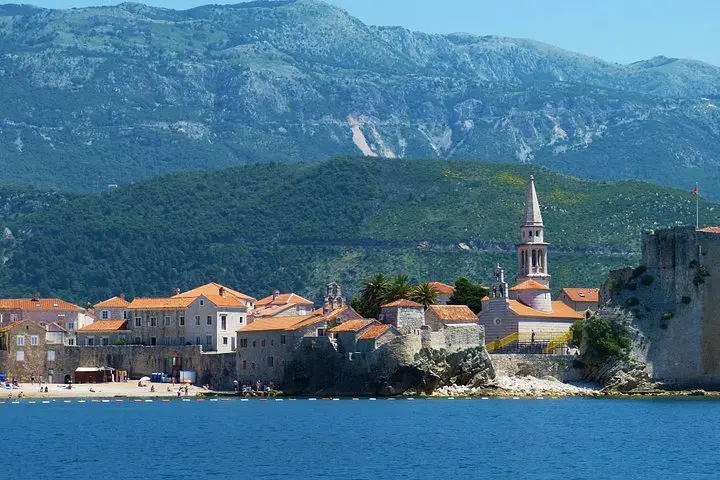
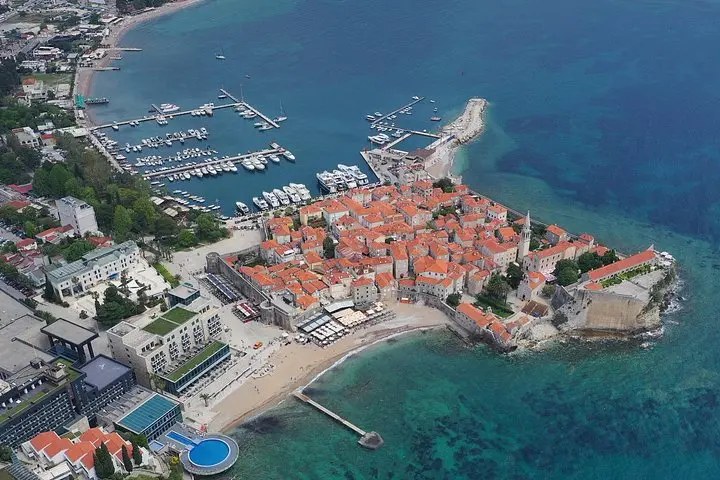
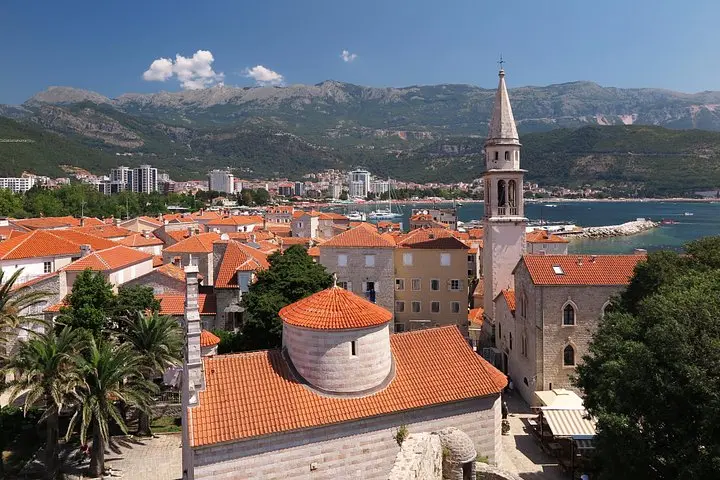
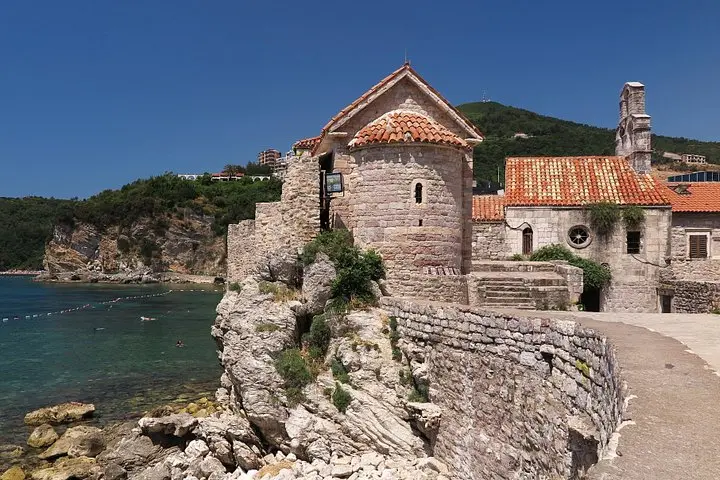
A salt breeze from the Adriatic cuts across the promenade as you step into Budva’s labyrinth of stone streets; bell towers mark time while the sea keeps its steady, urgent pulse. Over seven days this circuit threads the coast’s Venetian facades and marinas with Montenegro’s rugged interior—karst peaks, deep canyons and the slow wetlands of Skadar Lake.
A salt breeze from the Adriatic cuts across the promenade as you step into Budva’s labyrinth of stone streets; bell towers mark time while the sea keeps its steady, urgent pulse. Over seven days this circuit threads the coast’s Venetian facades and marinas with Montenegro’s rugged interior—karst peaks, deep canyons and the slow wetlands of Skadar Lake.
Coastal towns like Perast and Kotor show Venetian and Ottoman layers in stone and ordinance, while the interior leads to Ostrog Monastery clinging to a cliff and Durmitor’s glacial cirques sculpted during the last ice age. Skadar Lake, the largest lake in the Balkans, hosts reed beds and migratory birds; the Tara River carves one of Europe’s deepest canyons beneath the Đurđevića Tara bridge.
Expect short guided city walks (30–90 minutes), a 90-minute boat cruise on Skadar, and easy nature loops such as the Black Lake circuit (roughly 3–4 km, ~100 m elevation change). Drive times are substantial—Budva to Žabljak is about 2.5 hours—so plan for half-day transfers and photo stops.
Practicalities: carry a daypack, sturdy walking shoes, swimwear and a light rain shell; euros are used countrywide; water and sun protection are essential in summer. Travel between March and December is typical, but high mountain sites and optional activities (zip-line, cave visits) depend on weather. If you want to swap a relaxed coastal day for a longer hike, ask the guide to adjust the pace—this itinerary balances cultural sites, short walks and scenic drives to give a compact, outdoors-forward portrait of Montenegro.