THE ADVENTURE COLLECTIVE® · Independent discovery and booking for outdoor travel

Escape Dubrovnik for a day to explore Montenegro’s dramatic Bay of Kotor, baroque Perast and the medieval walls of Kotor—with optional time in beachside Budva. This customizable private tour blends history, coastal geology and local culture into a manageable 9–11 hour loop.
Escape Dubrovnik for a day to explore Montenegro’s dramatic Bay of Kotor, baroque Perast and the medieval walls of Kotor—with optional time in beachside Budva. This customizable private tour blends history, coastal geology and local culture into a manageable 9–11 hour loop.
The morning starts before the ferry's rumble—a polished minivan easing out of Dubrovnik while the Adriatic sharpens into silver. Drivers thread along coastal cliffs, past olive terraces and beachside villages, until the road spills into the Bay of Kotor. The bay doesn’t behave like a typical sea; it folds inward like a fjord, cliffs pressing close as historic towns cling to stone. Visitors step out into Perast and the pace changes: church bells, gulls arguing over sunlit fish, and the possibility of a tiny boat ride to Our Lady of the Rocks.
Verified experiences and guided adventures in the surrounding area.
Operated by Incredible tours · Kotor, Montenegro
The morning starts before the ferry's rumble—a polished minivan easing out of Dubrovnik while the Adriatic sharpens into silver. Drivers thread along coastal cliffs, past olive terraces and beachside villages, until the road spills into the Bay of Kotor. The bay doesn’t behave like a typical sea; it folds inward like a fjord, cliffs pressing close as historic towns cling to stone. Visitors step out into Perast and the pace changes: church bells, gulls arguing over sunlit fish, and the possibility of a tiny boat ride to Our Lady of the Rocks.
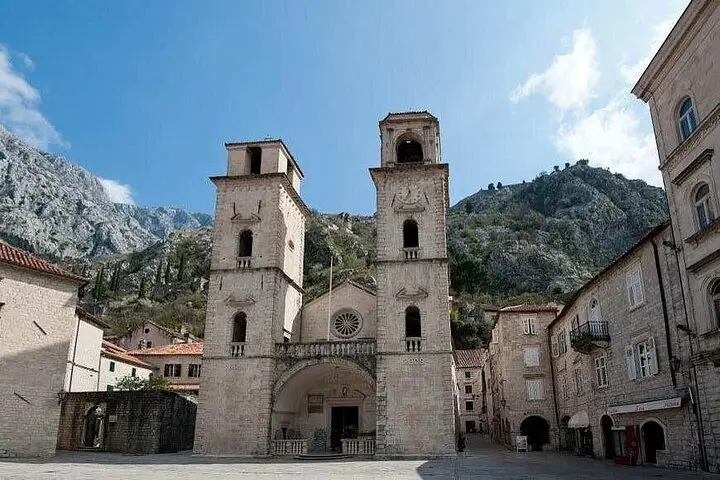
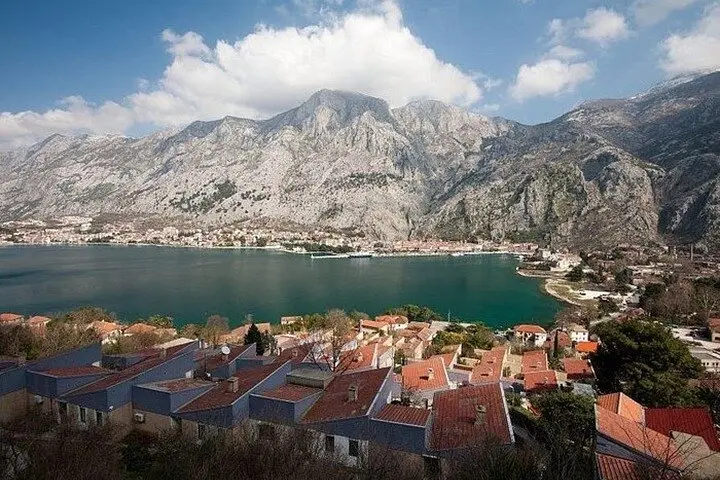
This full-day private tour stitches together Montenegro’s layered history. Kotor’s 12th-century walls and Romanesque St. Tryphon Cathedral recall Venetian trade and Byzantine influence, while Perast shows a quiet baroque face that survived earthquakes and empires. Geologically, the bay is a submerged karst valley—limestone cliffs chiseled by ancient rivers and the sea, offering sheltered waters that once made this coast ideal for merchant navies.
Local culture is plain and direct. Town piazzas are where the day is negotiated—over coffee, grilled fish, or an impromptu legend about a saint or pirate. If chosen, Budva adds a different rhythm: sandy beaches, café-lined promenades and a walled Old Town that opens like a stage. The optional boat to Our Lady of the Rocks (about €10) is short but cinematic—whitewashed chapel, votive paintings, and an island that records centuries of local devotion.
Practicalities matter as much as scenery. The tour runs roughly nine to eleven hours and crosses an international border; bring passports and expect a standard border check. Montenegro uses the euro, and small cash is handy for boat rides, museum entries, and local konobas. Comfortable walking shoes are essential—Kotor’s streets are cobbles and stairs. Summer can be hot and busy; spring and fall offer cooler light and thinner crowds.
This semi-private option gives travelers control: customize stops, linger where you like, skip what you don’t. The driver guides the logistics while travelers choose the tempo—an hour lingering in a café, a climb up the Kotor fortress for the view, or a swim in a quiet cove near Budva. Respect local rhythms—avoid loud groups in narrow lanes, don’t leave trash on beaches, and support small eateries where the seafood is as direct as the landscape.
By late afternoon the route loops back to Dubrovnik, the coast having offered one last panoramic ferry glide across the bay. The day feels compact but full; it’s a primer on Montenegro’s coast—history worn into stone, sea shaping the land, and a steady human presence that still negotiates life at the water’s edge.
Yes—this tour crosses into Montenegro from Croatia. Everyone must carry a valid passport for border control.
No; lunch is at your own expense—drivers can recommend konobas in Budva or Kotor depending on your preference.
Yes, you can often stop for a swim near Budva or at secluded coves, weather permitting—bring swimwear and a towel.
Total driving plus border time and stops makes the day roughly 9–11 hours; expect several hours of transit interspersed with walking time.
No—the short boat transfer is an optional extra (around €10) and is paid locally.
Yes—this semi-private option is designed to be flexible. Discuss priorities with your driver to tailor stops and timing.
Incredible tours operates guided outdoor trips and adventures with an emphasis on safety, stewardship, and memorable experiences.
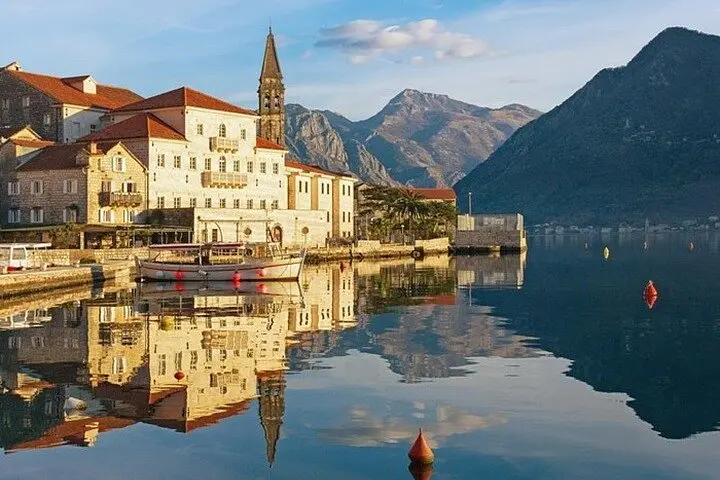
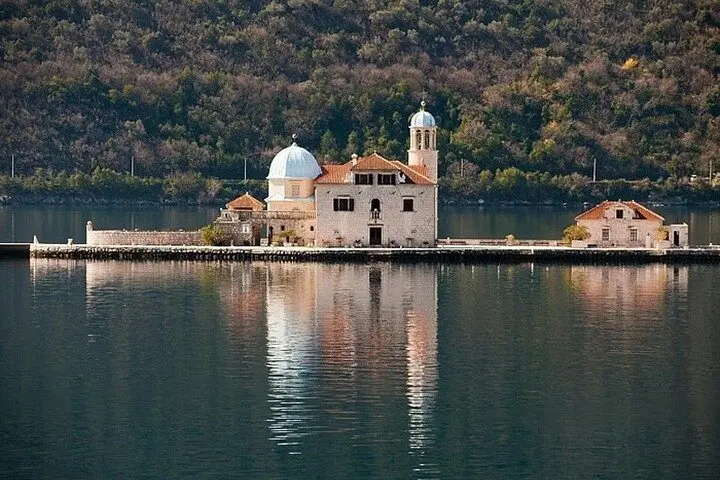
The morning starts before the ferry's rumble—a polished minivan easing out of Dubrovnik while the Adriatic sharpens into silver. Drivers thread along coastal cliffs, past olive terraces and beachside villages, until the road spills into the Bay of Kotor. The bay doesn’t behave like a typical sea; it folds inward like a fjord, cliffs pressing close as historic towns cling to stone. Visitors step out into Perast and the pace changes: church bells, gulls arguing over sunlit fish, and the possibility of a tiny boat ride to Our Lady of the Rocks.
The morning starts before the ferry's rumble—a polished minivan easing out of Dubrovnik while the Adriatic sharpens into silver. Drivers thread along coastal cliffs, past olive terraces and beachside villages, until the road spills into the Bay of Kotor. The bay doesn’t behave like a typical sea; it folds inward like a fjord, cliffs pressing close as historic towns cling to stone. Visitors step out into Perast and the pace changes: church bells, gulls arguing over sunlit fish, and the possibility of a tiny boat ride to Our Lady of the Rocks.
This full-day private tour stitches together Montenegro’s layered history. Kotor’s 12th-century walls and Romanesque St. Tryphon Cathedral recall Venetian trade and Byzantine influence, while Perast shows a quiet baroque face that survived earthquakes and empires. Geologically, the bay is a submerged karst valley—limestone cliffs chiseled by ancient rivers and the sea, offering sheltered waters that once made this coast ideal for merchant navies.
Local culture is plain and direct. Town piazzas are where the day is negotiated—over coffee, grilled fish, or an impromptu legend about a saint or pirate. If chosen, Budva adds a different rhythm: sandy beaches, café-lined promenades and a walled Old Town that opens like a stage. The optional boat to Our Lady of the Rocks (about €10) is short but cinematic—whitewashed chapel, votive paintings, and an island that records centuries of local devotion.
Practicalities matter as much as scenery. The tour runs roughly nine to eleven hours and crosses an international border; bring passports and expect a standard border check. Montenegro uses the euro, and small cash is handy for boat rides, museum entries, and local konobas. Comfortable walking shoes are essential—Kotor’s streets are cobbles and stairs. Summer can be hot and busy; spring and fall offer cooler light and thinner crowds.
This semi-private option gives travelers control: customize stops, linger where you like, skip what you don’t. The driver guides the logistics while travelers choose the tempo—an hour lingering in a café, a climb up the Kotor fortress for the view, or a swim in a quiet cove near Budva. Respect local rhythms—avoid loud groups in narrow lanes, don’t leave trash on beaches, and support small eateries where the seafood is as direct as the landscape.
By late afternoon the route loops back to Dubrovnik, the coast having offered one last panoramic ferry glide across the bay. The day feels compact but full; it’s a primer on Montenegro’s coast—history worn into stone, sea shaping the land, and a steady human presence that still negotiates life at the water’s edge.