THE ADVENTURE COLLECTIVE® · Independent discovery and booking for outdoor travel

Cover 2,500 years of history and an arc of sea and lagoon in 48 hours: from Ashoka's peace pagoda at Dhauli to Konark's sundial wheels, Puri's temple life, and dolphin-watching on Chilika. This short tour blends temples, coastal wildlife, and living craft with practical logistics for a brisk cultural immersion.
Cover 2,500 years of history and an arc of sea and lagoon in 48 hours: from Ashoka's peace pagoda at Dhauli to Konark's sundial wheels, Puri's temple life, and dolphin-watching on Chilika. This short tour blends temples, coastal wildlife, and living craft with practical logistics for a brisk cultural immersion.
The road from Bhubaneswar climbs and flattens, a ribbon of dust and highway trees, and by sunrise you stand at Dhauli where wind has kept watch over a broken battlefield for two millennia. The Peace Pagoda crowns the hill; below, Ashokan edicts, their letters worn smooth, still insist on a turning point in history. Here the land seems to hold a memory of decision—violence checked, conversion embraced—and that feeling follows you eastward.
Verified experiences and guided adventures in the surrounding area.
Operated by 5 Senses Walks · Bhubaneswar, Odisha
The road from Bhubaneswar climbs and flattens, a ribbon of dust and highway trees, and by sunrise you stand at Dhauli where wind has kept watch over a broken battlefield for two millennia. The Peace Pagoda crowns the hill; below, Ashokan edicts, their letters worn smooth, still insist on a turning point in history. Here the land seems to hold a memory of decision—violence checked, conversion embraced—and that feeling follows you eastward.
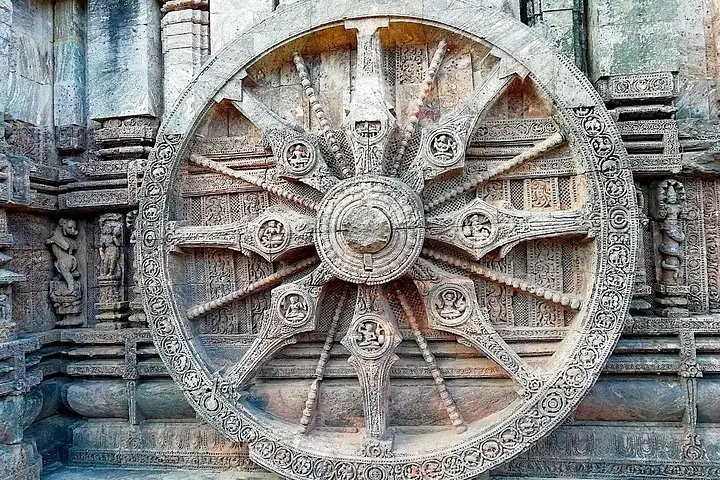
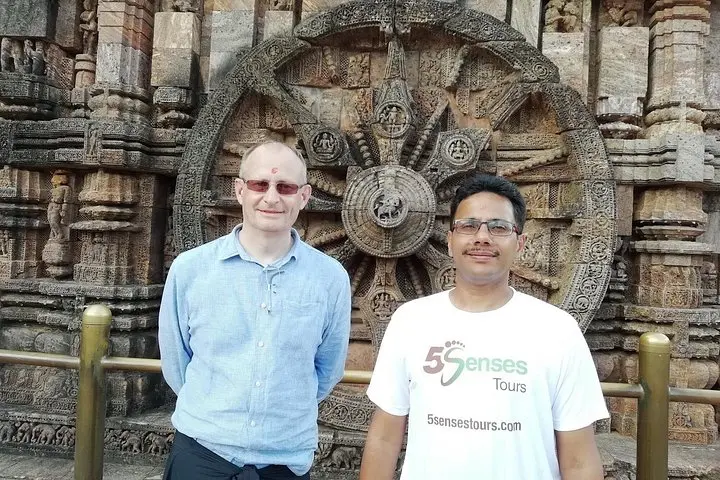
By mid-morning the ocean begins to appear at the edges of the road. Konark arrives like a city-sized stone clock: carved wheels, horses frozen mid-charge, a chariot hauled in hard granite toward the tide. The twelve pairs of wheel-sundials are the pragmatic poetry of the place—time recorded in sculpture—while reliefs along the temple base map daily life and sea-borne trade from the 13th century. A few hundred meters away, Ramachandi's low dunes and casuarina windrows push the Bay of Bengal into view; the surf dares you to listen to its rhythm.
Puri is louder and more immediate. The temple of Lord Jagannath dominates the town skyline; processions, bells, and the smell of incense announce a devotional pace that has shaped local life for centuries. Note: non-Hindu visitors view the complex from outside, but the scale and the annual chariot festival—where massive wooden cars are pulled through the streets—are visible lessons in public ritual and engineering.
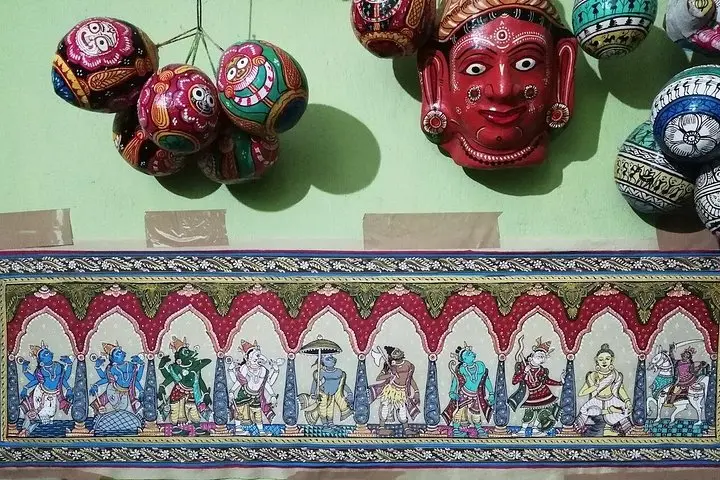
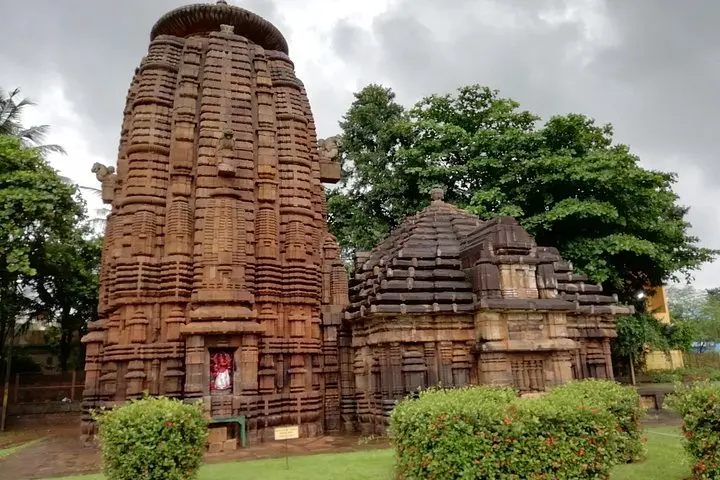
Day two moves from stone to water. Chilika Lake is a shallow, brackish world where lagoon and sea argue for space. At Satapada a boat thread cuts the reedlines; if luck favors you, small dorsal fins of Irrawaddy dolphins rise and vanish, their movements precise and curious. Inland, Raghurajpur's lanes are painted with the slow economy of Pattachitra: artists spread pigments and gum on dried palm leaves, each brushstroke a practiced record-keeping of myth and market. Khandagiri and Udayagiri caves then offer a quieter close—Jain cells carved into sandstone, staircases that lift to temple terraces and views over the city.
Practical edge: start early to avoid heat and traffic, wear sturdy shoes for temple steps and caves, and carry a refillable water bottle—the region is humid and sun can be relentless. Dress modestly at religious sites; photography is welcome in villages and at most exteriors but restricted inside some temples. Boats on Chilika are seasonal—monsoon swells can limit sighting chances—so plan for the October–March window for calmer water and migratory birds. The tour runs from Bhubaneswar with private transport and an early schedule; keeping flexible expectations is the best way to enjoy two dense days of history, coastline, craft, and wildlife without rushing.
No; non-Hindu visitors may view the exterior complex and participate in the surrounding market and rituals, but inner sanctum access is restricted.
Sightings are common but not guaranteed—mornings in the dry season (Oct–Mar) offer the best chances, and experienced boatmen know regular dolphin lanes.
Yes; the itinerary is rated easy to moderate with private transport and short walking segments, but stairs and uneven surfaces may challenge those with limited mobility.
Guides commonly speak English and Oriya (Odia); local artists may speak limited English but are happy to demonstrate techniques.
Breakfast is included; other meals are typically at local restaurants and not always covered—confirm with the operator at booking.
Monsoon months (June–September) can reduce boat operations on Chilika and make seaside visits wet; operators may modify schedules for safety.
5 Senses Walks operates guided outdoor trips and adventures with an emphasis on safety, stewardship, and memorable experiences.
The road from Bhubaneswar climbs and flattens, a ribbon of dust and highway trees, and by sunrise you stand at Dhauli where wind has kept watch over a broken battlefield for two millennia. The Peace Pagoda crowns the hill; below, Ashokan edicts, their letters worn smooth, still insist on a turning point in history. Here the land seems to hold a memory of decision—violence checked, conversion embraced—and that feeling follows you eastward.
The road from Bhubaneswar climbs and flattens, a ribbon of dust and highway trees, and by sunrise you stand at Dhauli where wind has kept watch over a broken battlefield for two millennia. The Peace Pagoda crowns the hill; below, Ashokan edicts, their letters worn smooth, still insist on a turning point in history. Here the land seems to hold a memory of decision—violence checked, conversion embraced—and that feeling follows you eastward.
By mid-morning the ocean begins to appear at the edges of the road. Konark arrives like a city-sized stone clock: carved wheels, horses frozen mid-charge, a chariot hauled in hard granite toward the tide. The twelve pairs of wheel-sundials are the pragmatic poetry of the place—time recorded in sculpture—while reliefs along the temple base map daily life and sea-borne trade from the 13th century. A few hundred meters away, Ramachandi's low dunes and casuarina windrows push the Bay of Bengal into view; the surf dares you to listen to its rhythm.
Puri is louder and more immediate. The temple of Lord Jagannath dominates the town skyline; processions, bells, and the smell of incense announce a devotional pace that has shaped local life for centuries. Note: non-Hindu visitors view the complex from outside, but the scale and the annual chariot festival—where massive wooden cars are pulled through the streets—are visible lessons in public ritual and engineering.
Day two moves from stone to water. Chilika Lake is a shallow, brackish world where lagoon and sea argue for space. At Satapada a boat thread cuts the reedlines; if luck favors you, small dorsal fins of Irrawaddy dolphins rise and vanish, their movements precise and curious. Inland, Raghurajpur's lanes are painted with the slow economy of Pattachitra: artists spread pigments and gum on dried palm leaves, each brushstroke a practiced record-keeping of myth and market. Khandagiri and Udayagiri caves then offer a quieter close—Jain cells carved into sandstone, staircases that lift to temple terraces and views over the city.
Practical edge: start early to avoid heat and traffic, wear sturdy shoes for temple steps and caves, and carry a refillable water bottle—the region is humid and sun can be relentless. Dress modestly at religious sites; photography is welcome in villages and at most exteriors but restricted inside some temples. Boats on Chilika are seasonal—monsoon swells can limit sighting chances—so plan for the October–March window for calmer water and migratory birds. The tour runs from Bhubaneswar with private transport and an early schedule; keeping flexible expectations is the best way to enjoy two dense days of history, coastline, craft, and wildlife without rushing.