THE ADVENTURE COLLECTIVE® · Independent discovery and booking for outdoor travel

This compact 11-day circuit covers Lima, Arequipa, Colca Canyon, Lake Titicaca and Machu Picchu—offering geology, living culture and iconic Andean wildlife. Plan for altitude, early trains, and a mix of city and high‑plateau terrain.
This compact 11-day circuit covers Lima, Arequipa, Colca Canyon, Lake Titicaca and Machu Picchu—offering geology, living culture and iconic Andean wildlife. Plan for altitude, early trains, and a mix of city and high‑plateau terrain.
You step off the bus and the air changes—thin, cool, and edged with volcanic dust. In 11 days this circuit takes you from Lima’s colonial streets to Arequipa’s white sillar facades, across the high puna where vicuñas graze, onto reed islands floating on Lake Titicaca, and up the train valley to Machu Picchu’s stone terraces.
Verified experiences and guided adventures in the surrounding area.
Operated by FLY CUSCO Perú Travel Agency · Cusco, Cusco Region
You step off the bus and the air changes—thin, cool, and edged with volcanic dust. In 11 days this circuit takes you from Lima’s colonial streets to Arequipa’s white sillar facades, across the high puna where vicuñas graze, onto reed islands floating on Lake Titicaca, and up the train valley to Machu Picchu’s stone terraces.
Geology and history are on show: the Andes’ uplift mixes volcanic cones (Misti, Chachani) with carved river valleys and ancient agricultural platforms at Moray. Cultural layers overlap visibly—pre-Inca ceremonial centers like Huaca Pucllana, Spanish baroque churches in Arequipa, and living Quechua communities on Taquile who still weave using traditional dyes.
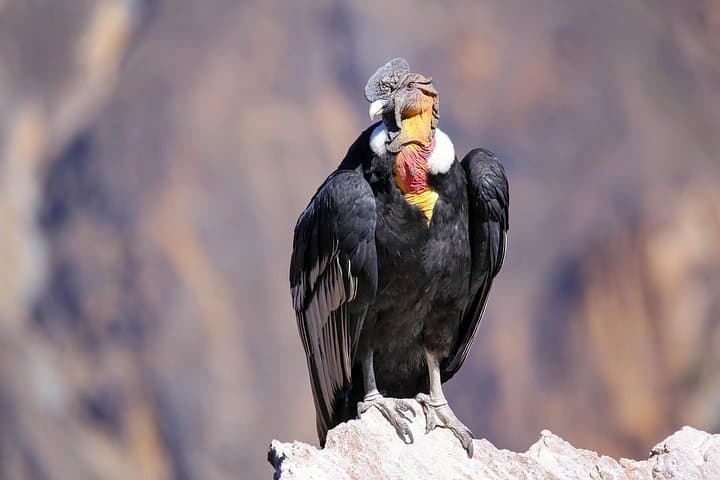
Expect varied terrain: paved city tours, high-altitude roads over 4,300–4,800 m, gravel viewpoints, short boat rides, and a steep ascent by bus from Aguas Calientes to Machu Picchu (approx. 25 minutes). Wildlife sightings often include Andean condors in Colca and waterbirds on Titicaca; vicuñas dot the high plateaus.
Practical edge: altitude is the primary challenge—plan rest days, drink coca tea, and avoid heavy exertion on arrival. Bring layered clothing for drastic temperature swings, sun protection, and sturdy walking shoes for cobbles and uneven ruins.
Logistics are straightforward but time-sensitive: domestic flights, an early train to Aguas Calientes, and set entry times for Machu Picchu. With moderate fitness and sensible acclimatization, this route delivers a dense, varied experience of Peru’s landscapes, archaeology, and living mountain cultures.
Yes—several stops exceed 4,000 m; allow time to acclimatize, drink plenty of fluids, avoid alcohol, and consult a doctor if you have heart or respiratory conditions.
It’s moderate: most days include walks of a few hours, some steep steps at archaeological sites, and long drives; basic mobility is required.
Domestic flights Lima–Arequipa and Cusco–Lima are not included; book morning flights as suggested to match the itinerary.
Many operators allow extensions or private upgrades—ask when booking to add acclimatization time or extra nights in Cusco or Aguas Calientes.
FLY CUSCO Perú Travel Agency operates guided outdoor trips and adventures with an emphasis on safety, stewardship, and memorable experiences.



You step off the bus and the air changes—thin, cool, and edged with volcanic dust. In 11 days this circuit takes you from Lima’s colonial streets to Arequipa’s white sillar facades, across the high puna where vicuñas graze, onto reed islands floating on Lake Titicaca, and up the train valley to Machu Picchu’s stone terraces.
You step off the bus and the air changes—thin, cool, and edged with volcanic dust. In 11 days this circuit takes you from Lima’s colonial streets to Arequipa’s white sillar facades, across the high puna where vicuñas graze, onto reed islands floating on Lake Titicaca, and up the train valley to Machu Picchu’s stone terraces.
Geology and history are on show: the Andes’ uplift mixes volcanic cones (Misti, Chachani) with carved river valleys and ancient agricultural platforms at Moray. Cultural layers overlap visibly—pre-Inca ceremonial centers like Huaca Pucllana, Spanish baroque churches in Arequipa, and living Quechua communities on Taquile who still weave using traditional dyes.
Expect varied terrain: paved city tours, high-altitude roads over 4,300–4,800 m, gravel viewpoints, short boat rides, and a steep ascent by bus from Aguas Calientes to Machu Picchu (approx. 25 minutes). Wildlife sightings often include Andean condors in Colca and waterbirds on Titicaca; vicuñas dot the high plateaus.
Practical edge: altitude is the primary challenge—plan rest days, drink coca tea, and avoid heavy exertion on arrival. Bring layered clothing for drastic temperature swings, sun protection, and sturdy walking shoes for cobbles and uneven ruins.
Logistics are straightforward but time-sensitive: domestic flights, an early train to Aguas Calientes, and set entry times for Machu Picchu. With moderate fitness and sensible acclimatization, this route delivers a dense, varied experience of Peru’s landscapes, archaeology, and living mountain cultures.