THE ADVENTURE COLLECTIVE® · Independent discovery and booking for outdoor travel

A compact, high-value visit to Pisa from Florence: train travel through Tuscan countryside leads to the Piazza dei Miracoli and the chance to climb the Leaning Tower. Ideal for travelers who want a concise, expert-guided introduction to Pisa’s highlights in about four hours.
A compact, high-value visit to Pisa from Florence: train travel through Tuscan countryside leads to the Piazza dei Miracoli and the chance to climb the Leaning Tower. Ideal for travelers who want a concise, expert-guided introduction to Pisa’s highlights in about four hours.
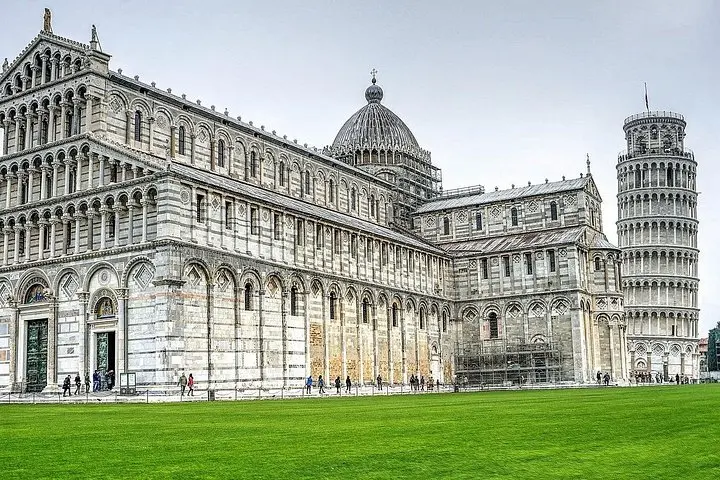
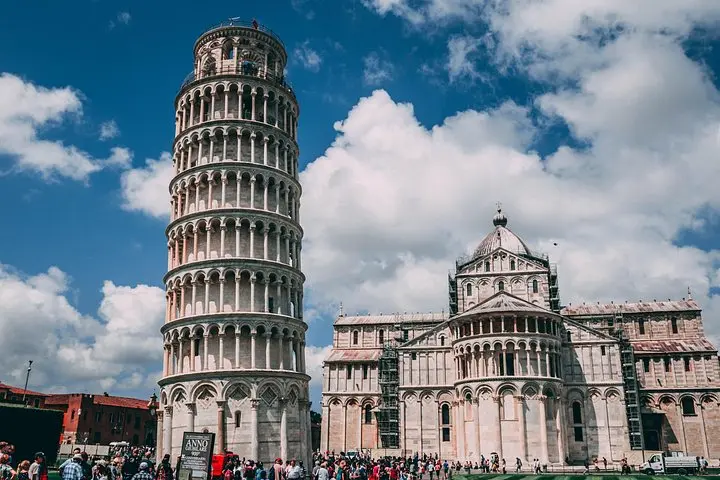
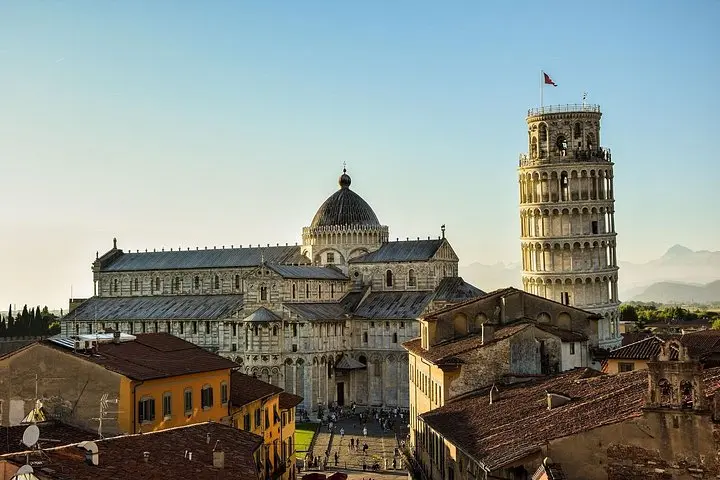
You step off the regional train into a small station that still smells faintly of espresso and warm stone, the Tuscan plains folding away behind you. A local host escorts you through a compact city of marble and narrow lanes toward the Piazza dei Miracoli, where the Leaning Tower tilts like a loaded dice against an open sky.
Verified experiences and guided adventures in the surrounding area.
Operated by EUROLINKWORLDWIDE · Pisa, Tuscany
You step off the regional train into a small station that still smells faintly of espresso and warm stone, the Tuscan plains folding away behind you. A local host escorts you through a compact city of marble and narrow lanes toward the Piazza dei Miracoli, where the Leaning Tower tilts like a loaded dice against an open sky.
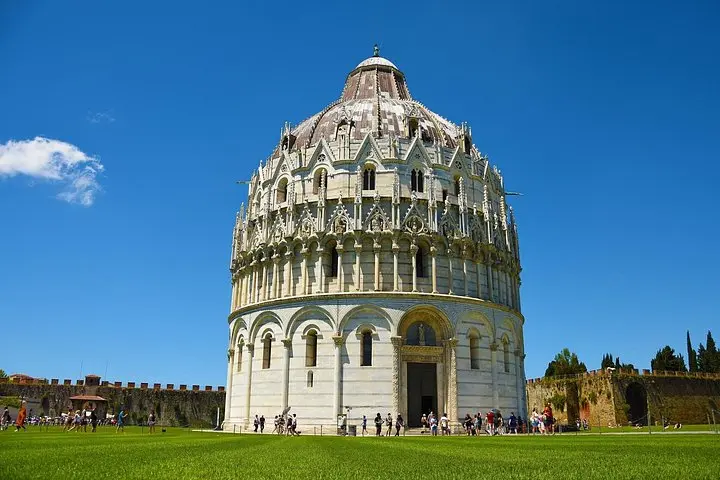
Pisa's compact center holds centuries: an 11th-century cathedral complex, a baptistery with pulsing acoustics, and a cemetery whose cloisters frame pale, weathered tombs. The city was once a maritime power whose architecture records wealth won on the Mediterranean; Galileo Galilei’s birthplace appears in the urban fabric, a reminder of scientific rebellion set among medieval stone.
Geology shows in the soft alluvial soils beneath the cathedral square — the same unstable ground that gave the campanile its famous lean. Culture here is conversational and direct: vendors selling panini, choir rehearsals spilling into side streets, and students threading bicycles past columns.
Practically, this is a compact, low-effort outing with high visual payoff. Expect roughly a 3–5 hour window from pick-up in Florence, round-trip regional train time included. Bring flat, grippy shoes for cobbled surfaces, a refillable water bottle, and a lightweight bag; many areas are pedestrian-only. If you plan to climb the tower, reserve tickets in advance — the climb is 294 steps and can be steep for those with limited mobility.
Timing matters: mornings are quieter for photos; late afternoons give warmer light but more crowds. Respect conservation signage — these monuments are fragile — and leave time to wander side streets like Borgo Stretto for quick espresso or souvenir hunting before boarding the return train to Florence.
Yes—round-trip regional train tickets from Florence to Pisa are included in the tour price.
You can climb the tower, but admission is not automatically included; reserve a timed entry separately or ask your guide to help arrange it.
The professional host meets you at your hotel lobby or outside your hotel in Florence and escorts you to the station.
Infants must sit on laps; the tour is not recommended for pregnant travelers due to stairs and crowding.
EUROLINKWORLDWIDE operates guided outdoor trips and adventures with an emphasis on safety, stewardship, and memorable experiences.
You step off the regional train into a small station that still smells faintly of espresso and warm stone, the Tuscan plains folding away behind you. A local host escorts you through a compact city of marble and narrow lanes toward the Piazza dei Miracoli, where the Leaning Tower tilts like a loaded dice against an open sky.
You step off the regional train into a small station that still smells faintly of espresso and warm stone, the Tuscan plains folding away behind you. A local host escorts you through a compact city of marble and narrow lanes toward the Piazza dei Miracoli, where the Leaning Tower tilts like a loaded dice against an open sky.
Pisa's compact center holds centuries: an 11th-century cathedral complex, a baptistery with pulsing acoustics, and a cemetery whose cloisters frame pale, weathered tombs. The city was once a maritime power whose architecture records wealth won on the Mediterranean; Galileo Galilei’s birthplace appears in the urban fabric, a reminder of scientific rebellion set among medieval stone.
Geology shows in the soft alluvial soils beneath the cathedral square — the same unstable ground that gave the campanile its famous lean. Culture here is conversational and direct: vendors selling panini, choir rehearsals spilling into side streets, and students threading bicycles past columns.
Practically, this is a compact, low-effort outing with high visual payoff. Expect roughly a 3–5 hour window from pick-up in Florence, round-trip regional train time included. Bring flat, grippy shoes for cobbled surfaces, a refillable water bottle, and a lightweight bag; many areas are pedestrian-only. If you plan to climb the tower, reserve tickets in advance — the climb is 294 steps and can be steep for those with limited mobility.
Timing matters: mornings are quieter for photos; late afternoons give warmer light but more crowds. Respect conservation signage — these monuments are fragile — and leave time to wander side streets like Borgo Stretto for quick espresso or souvenir hunting before boarding the return train to Florence.