THE ADVENTURE COLLECTIVE® · Independent discovery and booking for outdoor travel
Trace Prague’s architectural timeline in three hours: Gothic cathedrals, Baroque palaces, and Art Nouveau civic halls guided by a local expert. This private walking tour pairs close-up details with practical advice for navigating the city’s cobbles and viewpoints.
Trace Prague’s architectural timeline in three hours: Gothic cathedrals, Baroque palaces, and Art Nouveau civic halls guided by a local expert. This private walking tour pairs close-up details with practical advice for navigating the city’s cobbles and viewpoints.
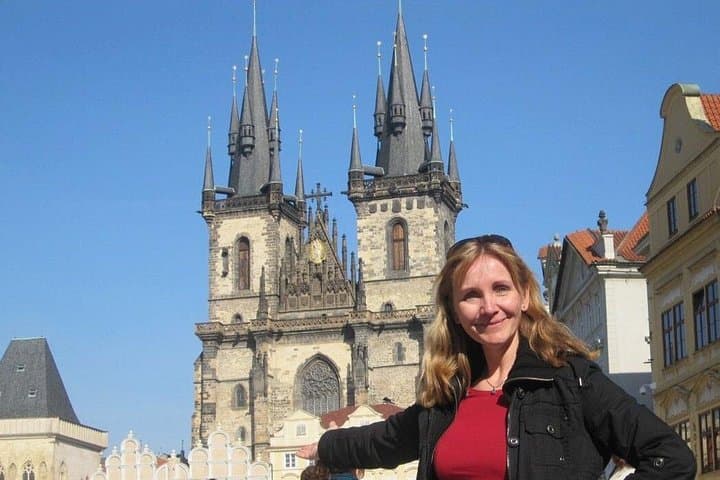
The walk begins on cobbled stone with the Vltava’s cold breath in your face and the Gothic spires of Prague Castle carving the skyline. A local guide leads the group through narrow lanes where carved facades and Baroque domes change the angle of the light, and every turn reframes a skyline built over centuries.
Verified experiences and guided adventures in the surrounding area.
Operated by Personal Prague Guide · Prague, Prague
The walk begins on cobbled stone with the Vltava’s cold breath in your face and the Gothic spires of Prague Castle carving the skyline. A local guide leads the group through narrow lanes where carved facades and Baroque domes change the angle of the light, and every turn reframes a skyline built over centuries.
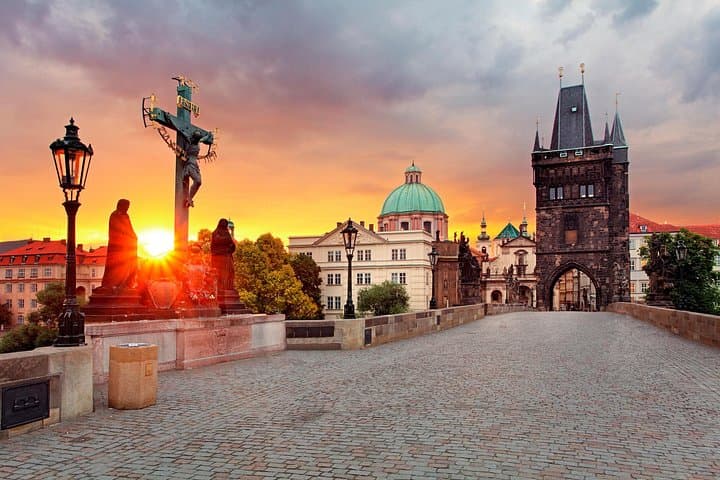
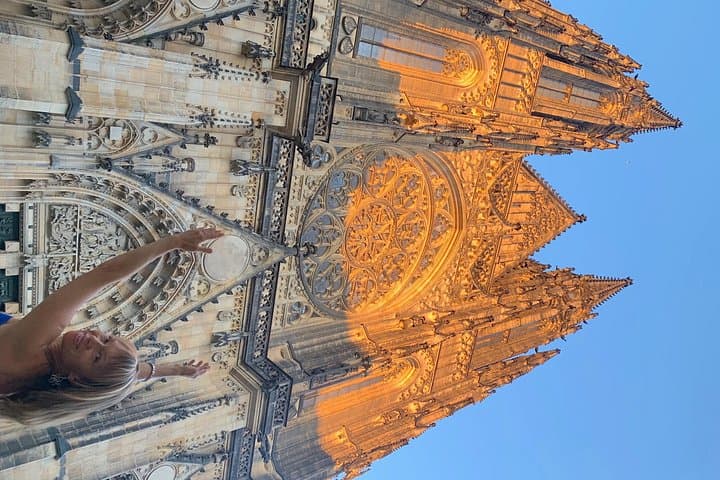
Prague’s streets record waves of influence: Romanesque foundations, Gothic cathedrals like St. Vitus, Baroque palaces, and Art Nouveau civic pride at the Municipal House. The city sits on the Bohemian Massif and the Vltava River’s terraces, so changes in elevation are gentle but reveal distinct historic layers—monastic complexes, noble gardens, and fortified bridges. Cultural notes dot the route: the John Lennon Wall’s anti‑communist graffiti, the Astronomical Clock’s medieval civic rituals, and the legend‑rich Charles Bridge where egg white allegedly strengthened mortar.
Practically, expect three hours of primarily flat walking with short stair sections near towers. The private format lets you linger at a chapel or skip interiors; some sites require separate entry fees (St. Vitus, certain towers). Midday light is best for façade details; early mornings avoid crowds for clearer photos. Wear comfortable shoes for cobbles, bring a light layer for sudden river breezes, and carry a credit card for small entry fees or café stops. Your guide will supply local context—architectural terms, historical anecdotes, and shortcuts—so the tour is equal parts visual primer and pragmatic city orientation for first‑time visitors.
The private tour lasts approximately three hours and covers central Prague highlights on foot.
No—admissions to interior sites like St. Vitus Cathedral or tower lifts are typically paid separately on site.
Yes; the itinerary notes stroller accessibility and is physically easy, though some narrow streets and stairs may require assistance.
Yes—because it’s private, the guide can adjust pacing and emphasize architecture, history, or local anecdotes based on your interests.
Personal Prague Guide operates guided outdoor trips and adventures with an emphasis on safety, stewardship, and memorable experiences.
The walk begins on cobbled stone with the Vltava’s cold breath in your face and the Gothic spires of Prague Castle carving the skyline. A local guide leads the group through narrow lanes where carved facades and Baroque domes change the angle of the light, and every turn reframes a skyline built over centuries.
The walk begins on cobbled stone with the Vltava’s cold breath in your face and the Gothic spires of Prague Castle carving the skyline. A local guide leads the group through narrow lanes where carved facades and Baroque domes change the angle of the light, and every turn reframes a skyline built over centuries.
Prague’s streets record waves of influence: Romanesque foundations, Gothic cathedrals like St. Vitus, Baroque palaces, and Art Nouveau civic pride at the Municipal House. The city sits on the Bohemian Massif and the Vltava River’s terraces, so changes in elevation are gentle but reveal distinct historic layers—monastic complexes, noble gardens, and fortified bridges. Cultural notes dot the route: the John Lennon Wall’s anti‑communist graffiti, the Astronomical Clock’s medieval civic rituals, and the legend‑rich Charles Bridge where egg white allegedly strengthened mortar.
Practically, expect three hours of primarily flat walking with short stair sections near towers. The private format lets you linger at a chapel or skip interiors; some sites require separate entry fees (St. Vitus, certain towers). Midday light is best for façade details; early mornings avoid crowds for clearer photos. Wear comfortable shoes for cobbles, bring a light layer for sudden river breezes, and carry a credit card for small entry fees or café stops. Your guide will supply local context—architectural terms, historical anecdotes, and shortcuts—so the tour is equal parts visual primer and pragmatic city orientation for first‑time visitors.
