THE ADVENTURE COLLECTIVE® · Independent discovery and booking for outdoor travel

Explore Tbilisi’s Old Town on a three-hour guided walk with a cable car lift to Narikala Fortress. See Metekhi, Bridge of Peace, sulfur baths and tucked-away cultural stops with local context and practical tips.
Explore Tbilisi’s Old Town on a three-hour guided walk with a cable car lift to Narikala Fortress. See Metekhi, Bridge of Peace, sulfur baths and tucked-away cultural stops with local context and practical tips.
You step out of Avlabari Metro and the city opens like a book of layered stones and red roofs. The Mtkvari River threads the valley below, sometimes playful, sometimes slow, daring you to look over its bridges. The walk climbs toward Metekhi’s cliff-side church, then lifts—literally—on a short cable car ride to Narikala where wind and city light push you forward across old battlements.
Verified experiences and guided adventures in the surrounding area.
Operated by Georgia Wanderers · Tbilisi, Tbilisi
You step out of Avlabari Metro and the city opens like a book of layered stones and red roofs. The Mtkvari River threads the valley below, sometimes playful, sometimes slow, daring you to look over its bridges. The walk climbs toward Metekhi’s cliff-side church, then lifts—literally—on a short cable car ride to Narikala where wind and city light push you forward across old battlements.
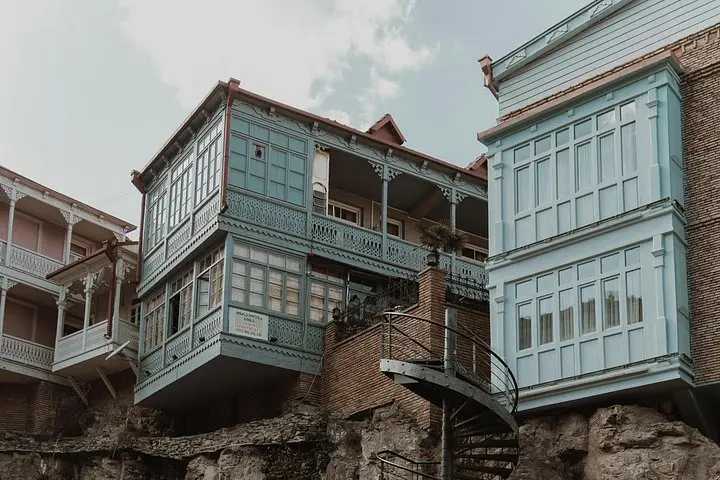
Tbilisi’s streets record a contested history: Persian, Ottoman and Russian influences left architectural fingerprints, while medieval churches such as Anchiskhati hold frescoes that predate many modern narratives. Geologically, Tbilisi sits in a basin carved by the Mtkvari and fed by thermal springs—the sulfur baths of Abanotubani owe their warmth to deep geothermal seams.
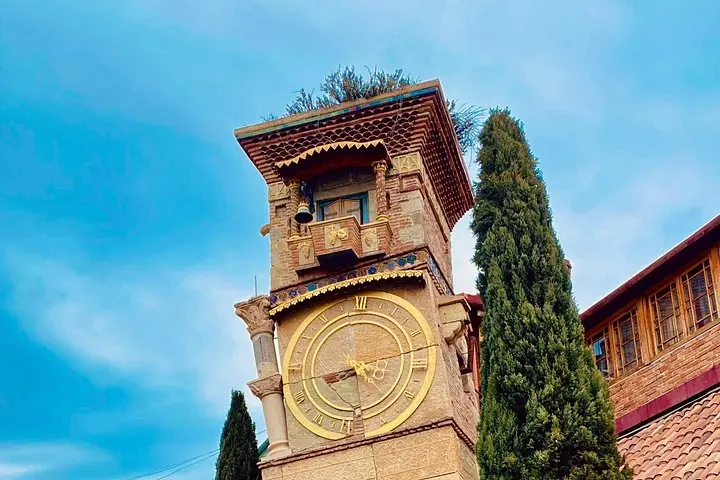
Locals favor lingering in teahouses, bargaining at the Dry Bridge market, and boarding the cable car for an easy panoramic fix. The Rezo Gabriadze theatre offers a playful cultural counterpoint to the solemn church interiors, while the Bridge of Peace stitches old and new across glittering LEDs.
Practical guidance: plan for roughly three hours at a relaxed pace; expect uneven cobblestones and several short flights of stairs. Morning or late afternoon avoids the midday heat and maximizes photo light. Bring a reusable water bottle, a light layer for the higher ridge above Narikala, and modest dress for church visits. Public transit puts you at Avlabari; the tour’s cable car ride and guide are included in the itinerary. Walk with steady shoes and a curious map—Tbilisi rewards those who move on foot.
The tour runs about three hours and meets at Avlabari Metro; check your booking confirmation for the exact meeting point and time.
Yes—the tour includes a short cable car ride from Rike Park to Narikala as listed in the itinerary.
The guide covers panoramic stops and many exterior sites; most churches in Old Town are free to enter, but special exhibitions or theatrical performances may require separate tickets.
The tour is rated easy but includes cobblestones and some stairs; accessibility is limited around Narikala and certain narrow streets—contact the operator to discuss specific needs.
Georgia Wanderers operates guided outdoor trips and adventures with an emphasis on safety, stewardship, and memorable experiences.
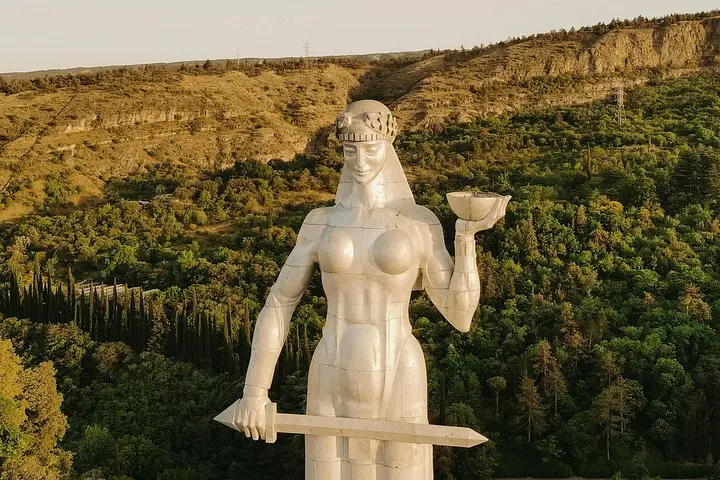
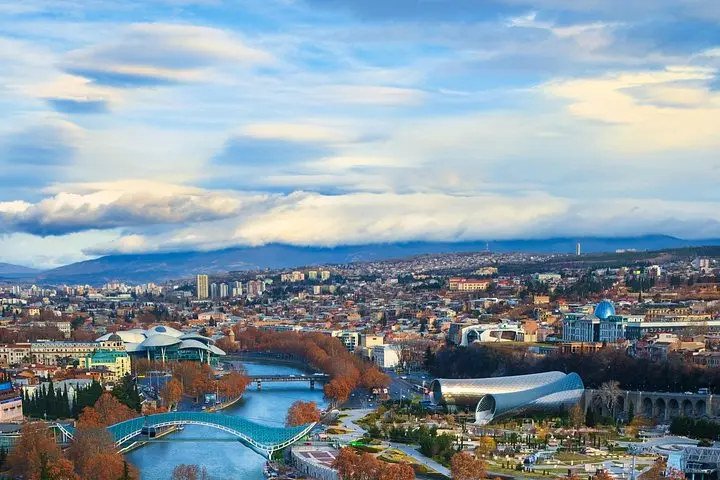
You step out of Avlabari Metro and the city opens like a book of layered stones and red roofs. The Mtkvari River threads the valley below, sometimes playful, sometimes slow, daring you to look over its bridges. The walk climbs toward Metekhi’s cliff-side church, then lifts—literally—on a short cable car ride to Narikala where wind and city light push you forward across old battlements.
You step out of Avlabari Metro and the city opens like a book of layered stones and red roofs. The Mtkvari River threads the valley below, sometimes playful, sometimes slow, daring you to look over its bridges. The walk climbs toward Metekhi’s cliff-side church, then lifts—literally—on a short cable car ride to Narikala where wind and city light push you forward across old battlements.
Tbilisi’s streets record a contested history: Persian, Ottoman and Russian influences left architectural fingerprints, while medieval churches such as Anchiskhati hold frescoes that predate many modern narratives. Geologically, Tbilisi sits in a basin carved by the Mtkvari and fed by thermal springs—the sulfur baths of Abanotubani owe their warmth to deep geothermal seams.
Locals favor lingering in teahouses, bargaining at the Dry Bridge market, and boarding the cable car for an easy panoramic fix. The Rezo Gabriadze theatre offers a playful cultural counterpoint to the solemn church interiors, while the Bridge of Peace stitches old and new across glittering LEDs.
Practical guidance: plan for roughly three hours at a relaxed pace; expect uneven cobblestones and several short flights of stairs. Morning or late afternoon avoids the midday heat and maximizes photo light. Bring a reusable water bottle, a light layer for the higher ridge above Narikala, and modest dress for church visits. Public transit puts you at Avlabari; the tour’s cable car ride and guide are included in the itinerary. Walk with steady shoes and a curious map—Tbilisi rewards those who move on foot.