THE ADVENTURE COLLECTIVE® · Independent discovery and booking for outdoor travel

Cross the border from Basel for a day of waterfalls, lakes and old-clock towns in Germany’s Black Forest. This full-day tour combines short lakeside walks, a climb around Triberg Waterfalls and an afternoon in historic Freiburg.
Cross the border from Basel for a day of waterfalls, lakes and old-clock towns in Germany’s Black Forest. This full-day tour combines short lakeside walks, a climb around Triberg Waterfalls and an afternoon in historic Freiburg.
A morning drive north from Basel peels away the city’s hard edges and opens onto dense dark pines and roadside farms. By midmorning the minivan slips across the Swiss–German border and the Black Forest begins to direct the rhythm — rivers daring you to follow their valleys, hills pushing you toward viewpoints.
Verified experiences and guided adventures in the surrounding area.
Operated by Typically Swiss Tours · Basel, Basel-Stadt
A morning drive north from Basel peels away the city’s hard edges and opens onto dense dark pines and roadside farms. By midmorning the minivan slips across the Swiss–German border and the Black Forest begins to direct the rhythm — rivers daring you to follow their valleys, hills pushing you toward viewpoints.
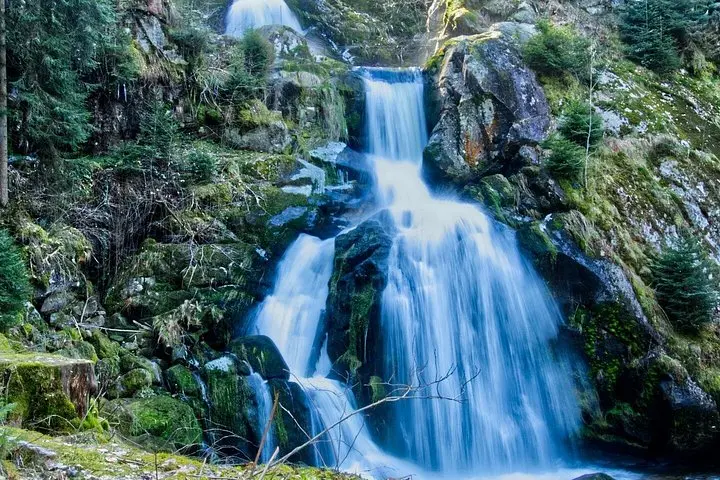
The day centers on Triberg’s waterfalls, a collective drop of roughly 163 m carved by glacial melt and persistent streams. The geology here is volcanic and metamorphic rock sculpted by ice-age rivers; the cultural landscape grew from timber, clockmaking and spa tourism. Small market towns keep old-world crafts alive — cuckoo clocks, smoked ham, and the original Black Forest gâteau, which you’ll likely sample in a café with a view.
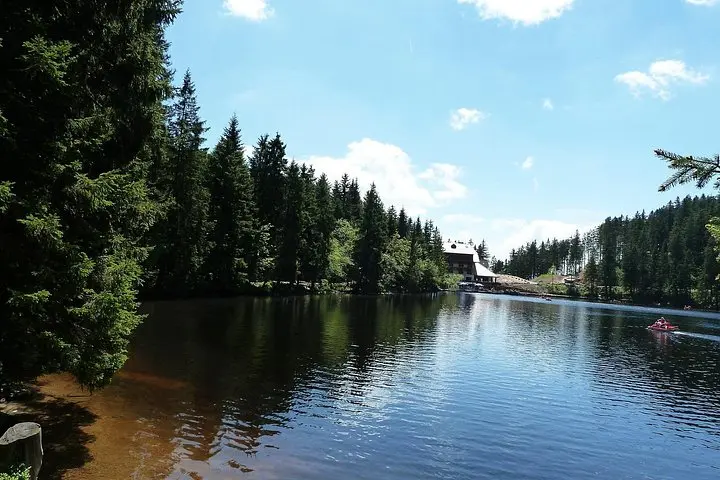
You’ll also pause at a famous lake shore (often Titisee) for a waterside stroll and finish in Freiburg’s medieval core where its bächle (shallow runnels) and a 116 m Gothic spire mark an afternoon wander. Expect cobbled streets, short stair climbs and viewpoints rather than long technical hikes.
Practical edge: the trip is a full nine-hour day with around 2–3 hours of walking spread across stops. Bring sturdy walking shoes, a light rain shell and a refillable bottle; weather shifts quickly in the hills. Border formalities are straightforward but carry ID, and time your visit to Triberg early or late to avoid buses at the falls. The route is suitable for most fitness levels but not for travelers with serious back or heart conditions.
Yes—this tour crosses into Germany. EU/Schengen ID cards are accepted for citizens where applicable; non‑Schengen travelers should carry a passport.
Walking includes paved and stepped paths to viewpoints; expect short climbs and uneven surfaces but no technical hiking—about 30–60 minutes of exploration around the falls.
Transport and bottled water are listed as inclusions; food, museum admissions and some local attractions are typically paid on site—bring cash or card for small purchases.
The tour is family-friendly and the itinerary notes stroller accessibility in some areas, but stairs at the falls and cobbles in towns make a carrier or brief child‑on‑lap periods more practical.
Typically Swiss Tours operates guided outdoor trips and adventures with an emphasis on safety, stewardship, and memorable experiences.

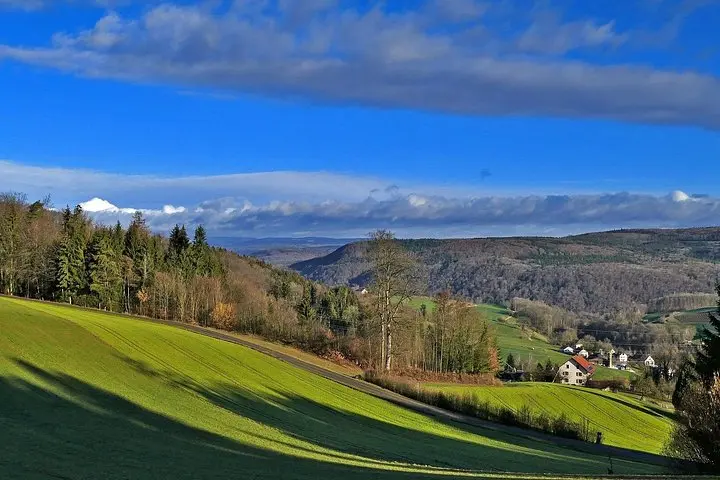
A morning drive north from Basel peels away the city’s hard edges and opens onto dense dark pines and roadside farms. By midmorning the minivan slips across the Swiss–German border and the Black Forest begins to direct the rhythm — rivers daring you to follow their valleys, hills pushing you toward viewpoints.
A morning drive north from Basel peels away the city’s hard edges and opens onto dense dark pines and roadside farms. By midmorning the minivan slips across the Swiss–German border and the Black Forest begins to direct the rhythm — rivers daring you to follow their valleys, hills pushing you toward viewpoints.
The day centers on Triberg’s waterfalls, a collective drop of roughly 163 m carved by glacial melt and persistent streams. The geology here is volcanic and metamorphic rock sculpted by ice-age rivers; the cultural landscape grew from timber, clockmaking and spa tourism. Small market towns keep old-world crafts alive — cuckoo clocks, smoked ham, and the original Black Forest gâteau, which you’ll likely sample in a café with a view.
You’ll also pause at a famous lake shore (often Titisee) for a waterside stroll and finish in Freiburg’s medieval core where its bächle (shallow runnels) and a 116 m Gothic spire mark an afternoon wander. Expect cobbled streets, short stair climbs and viewpoints rather than long technical hikes.
Practical edge: the trip is a full nine-hour day with around 2–3 hours of walking spread across stops. Bring sturdy walking shoes, a light rain shell and a refillable bottle; weather shifts quickly in the hills. Border formalities are straightforward but carry ID, and time your visit to Triberg early or late to avoid buses at the falls. The route is suitable for most fitness levels but not for travelers with serious back or heart conditions.