THE ADVENTURE COLLECTIVE® · Independent discovery and booking for outdoor travel

Drive the Cape Peninsula from Table Mountain’s plateau to the cliffs of Cape Point, meet African penguins at Boulders Beach, and finish with wine and cheese in Stellenbosch—one private day that packs geology, history and coastal drama into nine hours.
Drive the Cape Peninsula from Table Mountain’s plateau to the cliffs of Cape Point, meet African penguins at Boulders Beach, and finish with wine and cheese in Stellenbosch—one private day that packs geology, history and coastal drama into nine hours.
Early morning in Cape Town smells like salt and brake dust—ocean breezes push across the city while the sun hits the flat top of Table Mountain and the guide pulls up in an air-conditioned vehicle. You step in, daypack light, and the driver eases out onto Chapman’s Peak Drive; the road clings to the cliff and the ocean seems intent on pulling you past the windshield. Over the next nine hours the day alternates between sweeping coastal exposures and quiet vineyard lanes, a compact tour of the Cape’s most elemental scenes.
Verified experiences and guided adventures in the surrounding area.
Operated by Fteme travel and tours · Cape Town, Western Cape
Early morning in Cape Town smells like salt and brake dust—ocean breezes push across the city while the sun hits the flat top of Table Mountain and the guide pulls up in an air-conditioned vehicle. You step in, daypack light, and the driver eases out onto Chapman’s Peak Drive; the road clings to the cliff and the ocean seems intent on pulling you past the windshield. Over the next nine hours the day alternates between sweeping coastal exposures and quiet vineyard lanes, a compact tour of the Cape’s most elemental scenes.
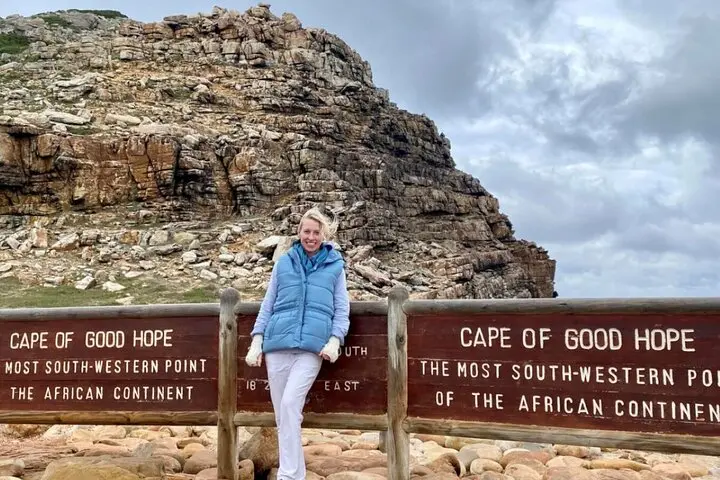
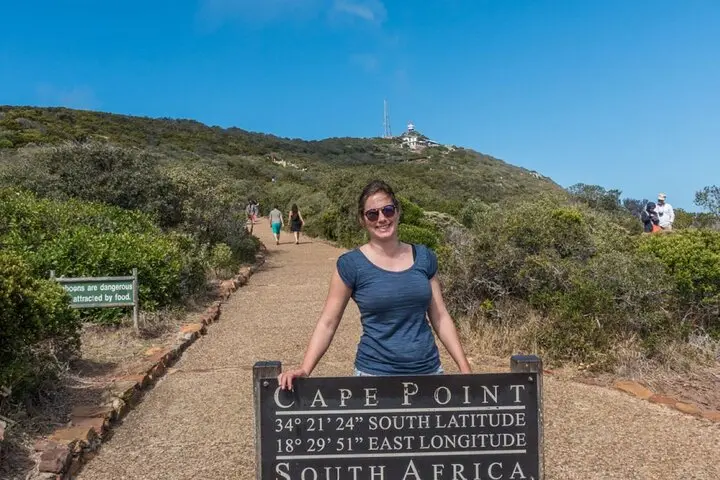
Table Mountain’s sandstone shoulders (1,085 meters at the summit) are the first obvious geology lesson: hard quartzitic sandstone, eroded into sheer faces, rising from a granite base that belongs to the much older Cape Fold Belt. Heading south, the coastline becomes a study in wave-cut platforms and capped headlands—Cape Point’s cliffs drop straight to the surf, and the lighthouse stands where currents collide. Human history threads through the landscape too: this is Khoisan country first, later shaped by Dutch and British colonial farms; Stellenbosch preserves the Cape Dutch architecture that signaled the region’s agricultural pivot centuries ago.
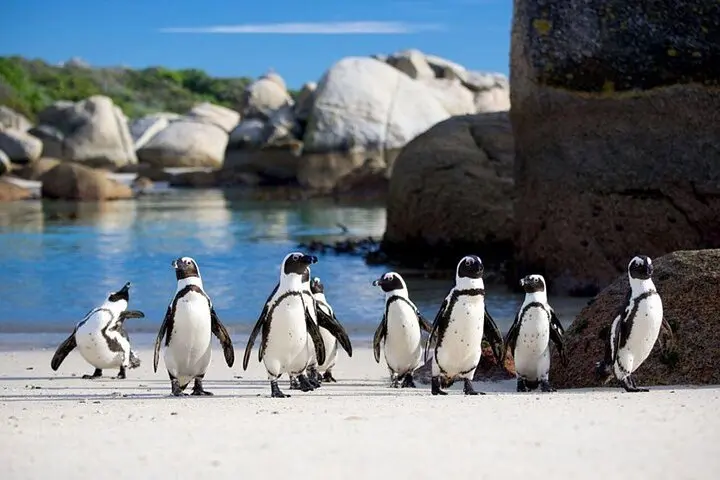
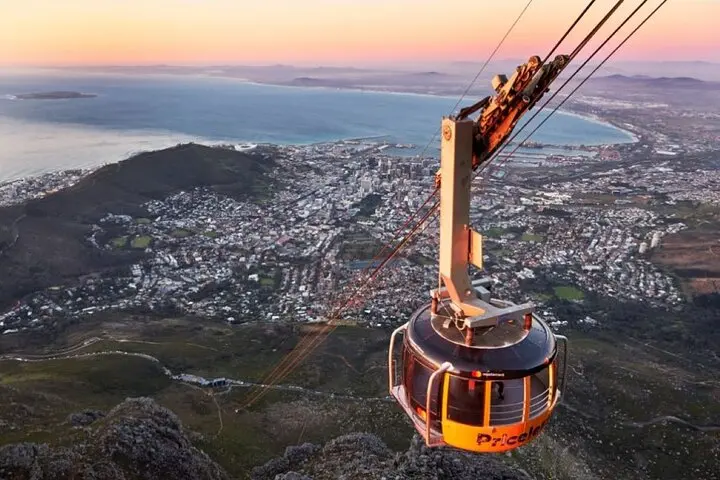
Boulders Beach interrupts the drama with a gentler note—African penguins waddle and preen among granite outcrops, bold enough to ignore human viewers when you stay on the boardwalk. The Winelands close the loop: oak-shaded tasting rooms and limestone soils that coax elegance from old-vine Chenin Blanc and confident reds. Your private guide is both driver and interpreter, tuning the route to weather and interest—opting for the cable car to Table Mountain on calm days or pointing out secret coves on blusterier afternoons.
Practical edge: the full loop is about nine hours with lots of short stops; expect roughly 70–80 km of driving south along the peninsula plus time in Stellenbosch and return to the city. Entry fees (Table Mountain cable car) and some premium wine flights are often not included, while the tour typically covers the Chapman’s Peak toll and bottled water onboard. Start early to beat midafternoon winds on the mountain and to secure penguin-viewing space before the beach draws crowds.
Gear and timing matter more than swagger: wear sturdy walking shoes for rocky boardwalks and short hikes, carry a windproof layer (the mountain can be ten degrees cooler), and bring sunscreen and a refillable bottle—the sun in the Cape is intense year-round. Book a private tour for flexibility: you choose whether to spend more time among penguins, linger in a coastal lookout, or extend tastings in Stellenbosch. The payoff is a day that stitches geology, wildlife, and wine into a coherent, memorable sweep of South Africa’s southwestern tip.
Cable car tickets are generally not included; your guide can advise whether to hike or ride and help with ticket info.
You can observe African penguins from raised boardwalks that provide close but non-intrusive views—do not approach or feed them.
Wine tastings and a cheese pairing are typically part of the itinerary, but confirm specifics and any premium tastings with the operator at booking.
Cards are widely accepted in wineries and major stops, but bring small cash for souvenirs or local vendors in case of connectivity issues.
Yes—pickup and drop-off from Cape Town accommodation is included; expect a lobby pickup about 15 minutes before the scheduled departure time.
Yes—the private guide adapts the day to wind, visibility and guest preferences, choosing the cable car or hike and adjusting time at each stop.
Fteme travel and tours operates guided outdoor trips and adventures with an emphasis on safety, stewardship, and memorable experiences.
Early morning in Cape Town smells like salt and brake dust—ocean breezes push across the city while the sun hits the flat top of Table Mountain and the guide pulls up in an air-conditioned vehicle. You step in, daypack light, and the driver eases out onto Chapman’s Peak Drive; the road clings to the cliff and the ocean seems intent on pulling you past the windshield. Over the next nine hours the day alternates between sweeping coastal exposures and quiet vineyard lanes, a compact tour of the Cape’s most elemental scenes.
Early morning in Cape Town smells like salt and brake dust—ocean breezes push across the city while the sun hits the flat top of Table Mountain and the guide pulls up in an air-conditioned vehicle. You step in, daypack light, and the driver eases out onto Chapman’s Peak Drive; the road clings to the cliff and the ocean seems intent on pulling you past the windshield. Over the next nine hours the day alternates between sweeping coastal exposures and quiet vineyard lanes, a compact tour of the Cape’s most elemental scenes.
Table Mountain’s sandstone shoulders (1,085 meters at the summit) are the first obvious geology lesson: hard quartzitic sandstone, eroded into sheer faces, rising from a granite base that belongs to the much older Cape Fold Belt. Heading south, the coastline becomes a study in wave-cut platforms and capped headlands—Cape Point’s cliffs drop straight to the surf, and the lighthouse stands where currents collide. Human history threads through the landscape too: this is Khoisan country first, later shaped by Dutch and British colonial farms; Stellenbosch preserves the Cape Dutch architecture that signaled the region’s agricultural pivot centuries ago.
Boulders Beach interrupts the drama with a gentler note—African penguins waddle and preen among granite outcrops, bold enough to ignore human viewers when you stay on the boardwalk. The Winelands close the loop: oak-shaded tasting rooms and limestone soils that coax elegance from old-vine Chenin Blanc and confident reds. Your private guide is both driver and interpreter, tuning the route to weather and interest—opting for the cable car to Table Mountain on calm days or pointing out secret coves on blusterier afternoons.
Practical edge: the full loop is about nine hours with lots of short stops; expect roughly 70–80 km of driving south along the peninsula plus time in Stellenbosch and return to the city. Entry fees (Table Mountain cable car) and some premium wine flights are often not included, while the tour typically covers the Chapman’s Peak toll and bottled water onboard. Start early to beat midafternoon winds on the mountain and to secure penguin-viewing space before the beach draws crowds.
Gear and timing matter more than swagger: wear sturdy walking shoes for rocky boardwalks and short hikes, carry a windproof layer (the mountain can be ten degrees cooler), and bring sunscreen and a refillable bottle—the sun in the Cape is intense year-round. Book a private tour for flexibility: you choose whether to spend more time among penguins, linger in a coastal lookout, or extend tastings in Stellenbosch. The payoff is a day that stitches geology, wildlife, and wine into a coherent, memorable sweep of South Africa’s southwestern tip.