THE ADVENTURE COLLECTIVE® · Independent discovery and booking for outdoor travel

Cover Tokyo’s signature neighborhoods in three compact days: Shibuya’s crossings, Harajuku’s fashion lanes, historic Asakusa, and a Sumida River boat ride to Odaiba. This guided budget-friendly tour balances efficient transit with walkable exploration and local dining stops.
Cover Tokyo’s signature neighborhoods in three compact days: Shibuya’s crossings, Harajuku’s fashion lanes, historic Asakusa, and a Sumida River boat ride to Odaiba. This guided budget-friendly tour balances efficient transit with walkable exploration and local dining stops.
You step out beneath a neon wash at Shibuya, the crowd patterning through crosswalks like a living map, then trade the electric pulse for the slow timbered grace of Asakusa’s temple approach within hours.
Verified experiences and guided adventures in the surrounding area.
Operated by The Washoku Club Culture and Food Tours · Tokyo, Tokyo
You step out beneath a neon wash at Shibuya, the crowd patterning through crosswalks like a living map, then trade the electric pulse for the slow timbered grace of Asakusa’s temple approach within hours.
This three-day itinerary threads Tokyo’s contrasts: Shibuya and Shinjuku’s frenetic commerce, Harajuku’s youth fashion lanes, the quiet alleyways around Yanaka that preserve old Edo streetscapes, and the riverside sweep to futuristic Odaiba. Tokyo sits on the Kanto Plain, shaped by river channels and coastal reclamation; the Sumida River still carves the city’s social geography and offers a rare quiet viewpoint from a short boat ride.
History is literal here—Sensō-ji’s gate dates to the 7th century in origin though rebuilt many times; Shinbashi marks Japan’s railway dawn in the 19th century. The cultural contrast—shrine ritual, izakaya chatter, kawaii storefronts—feels intentional, a city that preserves ritual and reinvents spectacle each block.
Practical guidance: expect a lot of walking between compact neighborhoods; urban transit is efficient so plan short subway hops to break long stretches. Carry small bills and a prepaid IC card for trains; many local spots prefer cash. Morning and late afternoon light are best for photos at Asakusa and Harajuku respectively, while evenings reveal Shinjuku and Shibuya at full intensity.
Footwear that handles smooth pavement and occasional wet steps is more important than technical hiking gear. Bring a portable charger and a small daypack; water and quick snacks are easy to find but having them on-hand saves time. Respect local etiquette—queueing, quiet on trains, and shoe removal where required—and the tour opens the door to Tokyo’s layered personality without guesswork.
Yes—it's designed to introduce major neighborhoods with a guide who handles transit logistics and cultural orientation.
Expect several hours of walking per day, typically broken into 2–3 hour blocks with subway rides between districts.
Most entries are not included; the tour focuses on neighborhoods, temples, markets, and guided commentary rather than paid attractions.
No—English-speaking guides are provided and most urban signage includes English, though a phrase or two of politeness is appreciated.
The Washoku Club Culture and Food Tours operates guided outdoor trips and adventures with an emphasis on safety, stewardship, and memorable experiences.
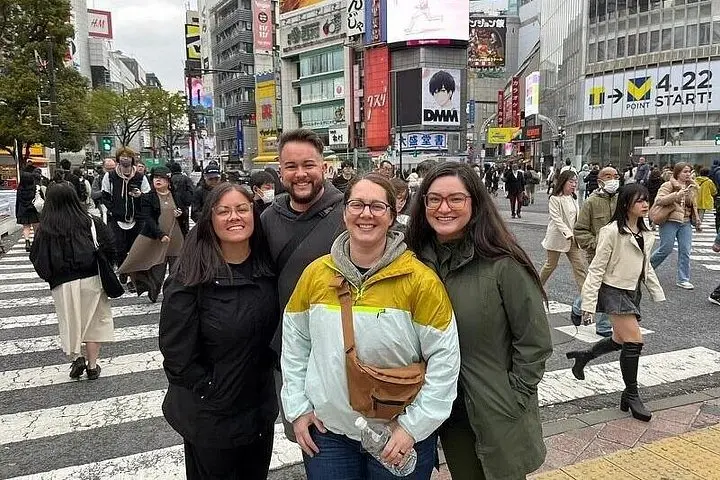
You step out beneath a neon wash at Shibuya, the crowd patterning through crosswalks like a living map, then trade the electric pulse for the slow timbered grace of Asakusa’s temple approach within hours.
You step out beneath a neon wash at Shibuya, the crowd patterning through crosswalks like a living map, then trade the electric pulse for the slow timbered grace of Asakusa’s temple approach within hours.
This three-day itinerary threads Tokyo’s contrasts: Shibuya and Shinjuku’s frenetic commerce, Harajuku’s youth fashion lanes, the quiet alleyways around Yanaka that preserve old Edo streetscapes, and the riverside sweep to futuristic Odaiba. Tokyo sits on the Kanto Plain, shaped by river channels and coastal reclamation; the Sumida River still carves the city’s social geography and offers a rare quiet viewpoint from a short boat ride.
History is literal here—Sensō-ji’s gate dates to the 7th century in origin though rebuilt many times; Shinbashi marks Japan’s railway dawn in the 19th century. The cultural contrast—shrine ritual, izakaya chatter, kawaii storefronts—feels intentional, a city that preserves ritual and reinvents spectacle each block.
Practical guidance: expect a lot of walking between compact neighborhoods; urban transit is efficient so plan short subway hops to break long stretches. Carry small bills and a prepaid IC card for trains; many local spots prefer cash. Morning and late afternoon light are best for photos at Asakusa and Harajuku respectively, while evenings reveal Shinjuku and Shibuya at full intensity.
Footwear that handles smooth pavement and occasional wet steps is more important than technical hiking gear. Bring a portable charger and a small daypack; water and quick snacks are easy to find but having them on-hand saves time. Respect local etiquette—queueing, quiet on trains, and shoe removal where required—and the tour opens the door to Tokyo’s layered personality without guesswork.