THE ADVENTURE COLLECTIVE® · Independent discovery and booking for outdoor travel

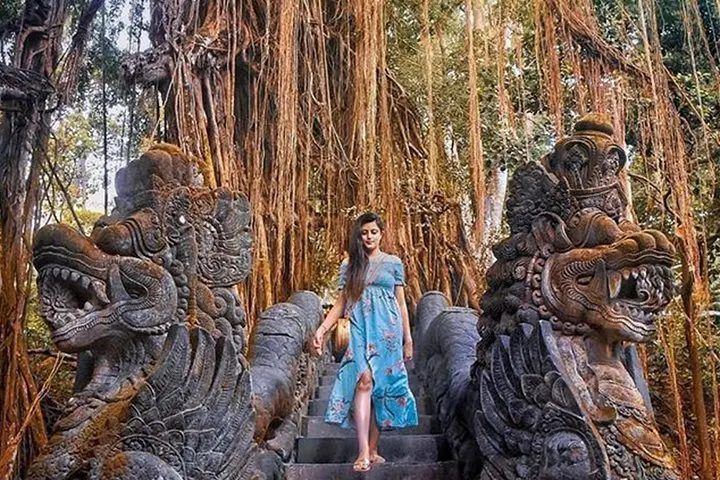
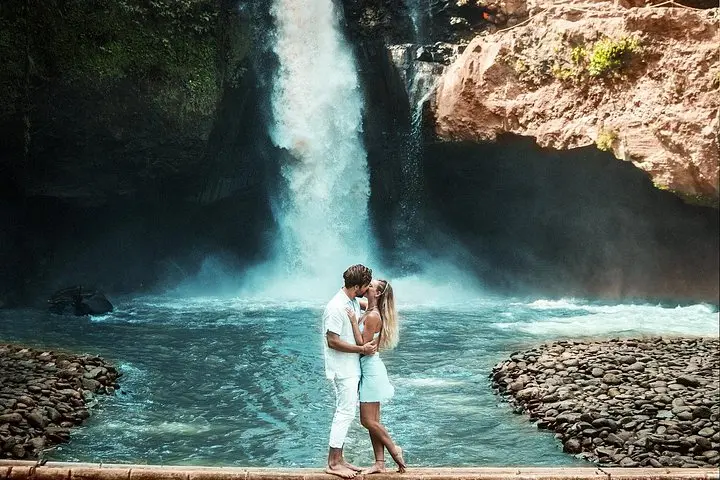
Spend a full day around Ubud visiting the Sacred Monkey Forest, Tegalalang rice terraces, Tirta Empul temple and a jungle waterfall. This private tour blends accessible walking, cultural insight and scenic stops—ideal for first-time visitors wanting a compact introduction to central Bali.
Spend a full day around Ubud visiting the Sacred Monkey Forest, Tegalalang rice terraces, Tirta Empul temple and a jungle waterfall. This private tour blends accessible walking, cultural insight and scenic stops—ideal for first-time visitors wanting a compact introduction to central Bali.
Mornings in Ubud open with humidity and the steady hiss of rice paddies; the driver threads narrow lanes while palm fronds brush the window and the air smells of wet earth and roasted coffee. The day unfolds as a sequence of close-up landscapes—macaques probing temple steps, sculpted rice benches dropping into a green bowl, and a waterfall that cools the skin after a short, uneven descent.
Verified experiences and guided adventures in the surrounding area.
Operated by tripbylocals · Ubud, Bali
Mornings in Ubud open with humidity and the steady hiss of rice paddies; the driver threads narrow lanes while palm fronds brush the window and the air smells of wet earth and roasted coffee. The day unfolds as a sequence of close-up landscapes—macaques probing temple steps, sculpted rice benches dropping into a green bowl, and a waterfall that cools the skin after a short, uneven descent.
This route stitches together Bali’s living history. Tirta Empul dates to the 10th century under the Warmadewa dynasty and anchors Balinese water purification rituals. The Tegalalang terraces showcase the subak irrigation system, a cooperative tradition recognized for its social and hydraulic engineering. Geologically, Bali’s volcanic soils feed the verdant terraces and the steep river canyons that carve waterfalls through limestone and volcanic rock.
Culturally, expect everyday offerings, temple etiquette, and friendly local guides who explain tri hita karana—the balance between people, nature and the gods. Wildlife is bold: long-tailed macaques and the occasional monitor lizard assert their place in town centers and forest glades.
Practical guidance: wear sturdy, slip-resistant shoes for stepped paths and waterfall descents; carry a sarong or accept one at temples; bring cash for small donations and village purchases. Start early to avoid mid-day crowds at Tegalalang and the Monkey Forest; keep a hand on belongings near monkeys. Hydrate often and plan an easy pace—this private full-day loop runs 8–10 hours with light walking but many short stair descents.
Entrance fees to the Sacred Monkey Forest are typically not included in base tour prices—confirm with the operator and have small cash available for tickets.
Yes; visitors may join the melukat purification if they follow local guidance, wear appropriate dress, and respect ritual protocols—bring a sarong and towel if you plan to enter the pools.
Infants and small children can join; strollers are manageable in flat areas but many sites have steps—carriers are more practical for waterfall descents.
Indonesian rupiah is preferred for small purchases; tipping drivers and guides is customary—round up or leave 5–10% depending on service.
tripbylocals operates guided outdoor trips and adventures with an emphasis on safety, stewardship, and memorable experiences.
Mornings in Ubud open with humidity and the steady hiss of rice paddies; the driver threads narrow lanes while palm fronds brush the window and the air smells of wet earth and roasted coffee. The day unfolds as a sequence of close-up landscapes—macaques probing temple steps, sculpted rice benches dropping into a green bowl, and a waterfall that cools the skin after a short, uneven descent.
Mornings in Ubud open with humidity and the steady hiss of rice paddies; the driver threads narrow lanes while palm fronds brush the window and the air smells of wet earth and roasted coffee. The day unfolds as a sequence of close-up landscapes—macaques probing temple steps, sculpted rice benches dropping into a green bowl, and a waterfall that cools the skin after a short, uneven descent.
This route stitches together Bali’s living history. Tirta Empul dates to the 10th century under the Warmadewa dynasty and anchors Balinese water purification rituals. The Tegalalang terraces showcase the subak irrigation system, a cooperative tradition recognized for its social and hydraulic engineering. Geologically, Bali’s volcanic soils feed the verdant terraces and the steep river canyons that carve waterfalls through limestone and volcanic rock.
Culturally, expect everyday offerings, temple etiquette, and friendly local guides who explain tri hita karana—the balance between people, nature and the gods. Wildlife is bold: long-tailed macaques and the occasional monitor lizard assert their place in town centers and forest glades.
Practical guidance: wear sturdy, slip-resistant shoes for stepped paths and waterfall descents; carry a sarong or accept one at temples; bring cash for small donations and village purchases. Start early to avoid mid-day crowds at Tegalalang and the Monkey Forest; keep a hand on belongings near monkeys. Hydrate often and plan an easy pace—this private full-day loop runs 8–10 hours with light walking but many short stair descents.