THE ADVENTURE COLLECTIVE® · Independent discovery and booking for outdoor travel

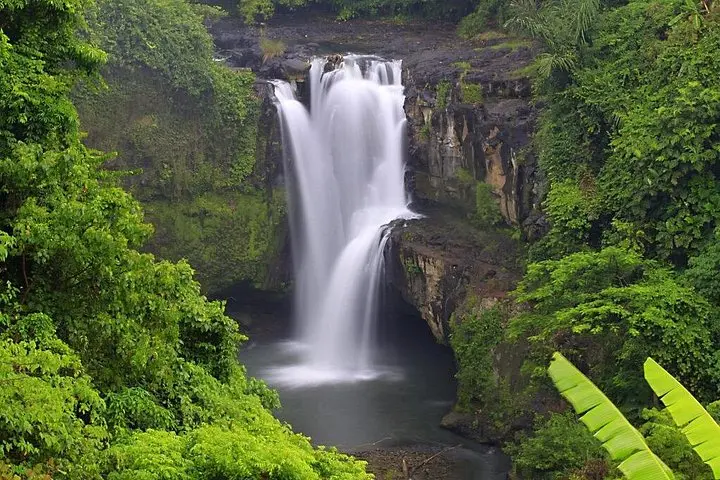
Spend a full day around Ubud visiting rice terraces, the Sacred Monkey Forest, Goa Gajah and Tegenungan waterfall. This private driveable loop combines short walks, cultural stops and local craft demonstrations.
Spend a full day around Ubud visiting rice terraces, the Sacred Monkey Forest, Goa Gajah and Tegenungan waterfall. This private driveable loop combines short walks, cultural stops and local craft demonstrations.
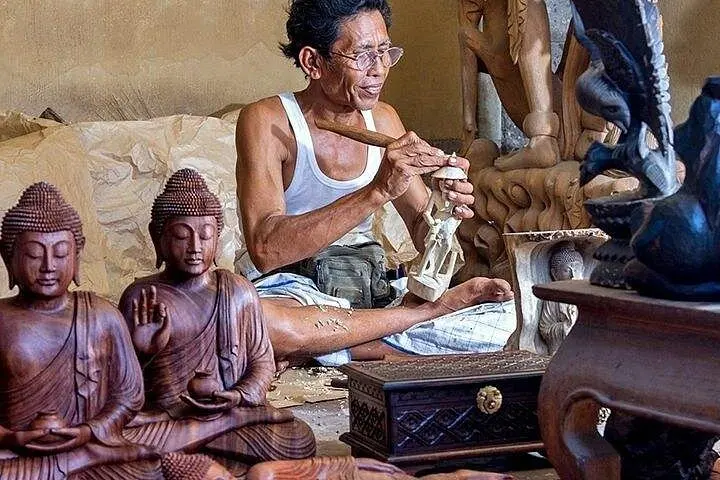
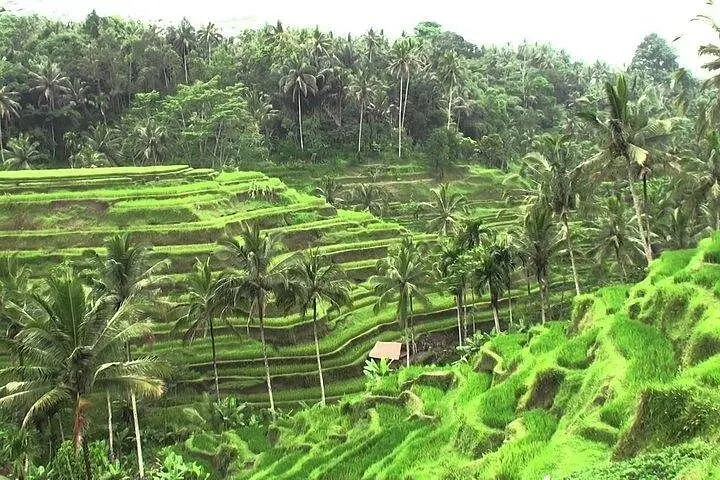
Morning light slices between palm trunks as your driver pulls out of Ubud and the road opens onto steep bands of green — rice terraces carved like steps into the low hills, water channels glinting in the sun. The day moves in vivid vignettes: a hand-carved mask in a Mas studio, the chatter of macaques in the Sacred Monkey Forest Sanctuary, and the spray of Tegenungan waterfall throwing cool air into a warm valley.
Verified experiences and guided adventures in the surrounding area.
Operated by Bali Countryside Cycling Tour · Ubud, Bali
Morning light slices between palm trunks as your driver pulls out of Ubud and the road opens onto steep bands of green — rice terraces carved like steps into the low hills, water channels glinting in the sun. The day moves in vivid vignettes: a hand-carved mask in a Mas studio, the chatter of macaques in the Sacred Monkey Forest Sanctuary, and the spray of Tegenungan waterfall throwing cool air into a warm valley.
These landscapes reflect Bali’s centuries-old subak irrigation—community-managed terracing and water-sharing that shaped both farming and ritual life. Goa Gajah (Elephant Cave) dates to around the 9th century, its stone mouth and shrines offering a window into island spirituality. Volcanic soils feed the paddies; nearby villages like Celuk and Mas keep traditional silverwork and woodcarving alive.
Practical guidance: this private full-day loop runs about 8–10 hours with short walks (10–30 minutes) at each stop and minimal cumulative elevation gain—expect uneven paths, stone steps and muddy sections after rain. Bring a refillable water bottle, wear sturdy shoes for terraces and temple courtyards, and keep valuables zipped: macaques are curious and quick. Cash is useful for small entrance fees, handicrafts and tips; modest dress is required at temples (sarong provided at some sites).
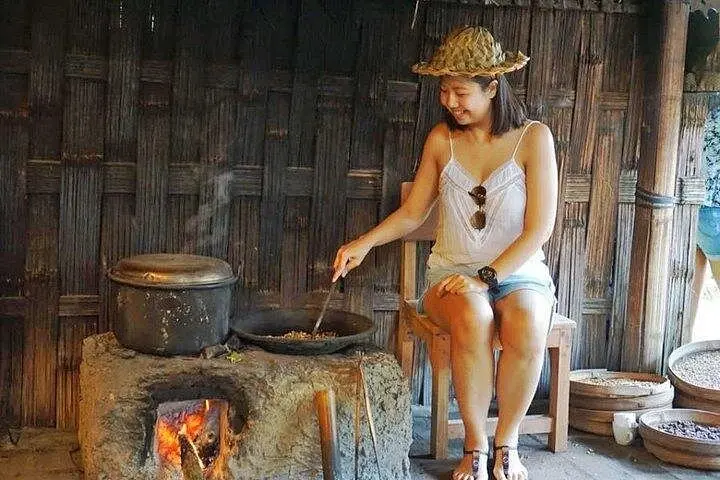
Timing matters—early or late in the day reduces crowds and heat. A guided, private vehicle covers the spread efficiently; allow flexibility for extra time at a coffee plantation or a village studio. Treat wildlife respectfully, stick to paths, and support local artisans to keep these living traditions thriving.
Not always—some sites charge a small local entrance fee; check your operator’s inclusions and carry small cash.
Yes—it's largely vehicle-based with short walks; however, families should supervise children around monkeys and slippery areas.
Modest dress is required at many temples; some sites provide sarongs for rent or loan but it’s convenient to bring your own.
Photography is generally allowed but be respectful—avoid flash in temples and keep a safe distance from wildlife.
Bali Countryside Cycling Tour operates guided outdoor trips and adventures with an emphasis on safety, stewardship, and memorable experiences.
Morning light slices between palm trunks as your driver pulls out of Ubud and the road opens onto steep bands of green — rice terraces carved like steps into the low hills, water channels glinting in the sun. The day moves in vivid vignettes: a hand-carved mask in a Mas studio, the chatter of macaques in the Sacred Monkey Forest Sanctuary, and the spray of Tegenungan waterfall throwing cool air into a warm valley.
Morning light slices between palm trunks as your driver pulls out of Ubud and the road opens onto steep bands of green — rice terraces carved like steps into the low hills, water channels glinting in the sun. The day moves in vivid vignettes: a hand-carved mask in a Mas studio, the chatter of macaques in the Sacred Monkey Forest Sanctuary, and the spray of Tegenungan waterfall throwing cool air into a warm valley.
These landscapes reflect Bali’s centuries-old subak irrigation—community-managed terracing and water-sharing that shaped both farming and ritual life. Goa Gajah (Elephant Cave) dates to around the 9th century, its stone mouth and shrines offering a window into island spirituality. Volcanic soils feed the paddies; nearby villages like Celuk and Mas keep traditional silverwork and woodcarving alive.
Practical guidance: this private full-day loop runs about 8–10 hours with short walks (10–30 minutes) at each stop and minimal cumulative elevation gain—expect uneven paths, stone steps and muddy sections after rain. Bring a refillable water bottle, wear sturdy shoes for terraces and temple courtyards, and keep valuables zipped: macaques are curious and quick. Cash is useful for small entrance fees, handicrafts and tips; modest dress is required at temples (sarong provided at some sites).
Timing matters—early or late in the day reduces crowds and heat. A guided, private vehicle covers the spread efficiently; allow flexibility for extra time at a coffee plantation or a village studio. Treat wildlife respectfully, stick to paths, and support local artisans to keep these living traditions thriving.