THE ADVENTURE COLLECTIVE® · Independent discovery and booking for outdoor travel

Travel from Amsterdam through Dutch polders to UNESCO-listed Kinderdijk, then wander Delft’s blue-and-white pottery streets and the diplomatic boulevards of The Hague. This private day tour balances engineered landscapes, museum highlights and easy walking.
Travel from Amsterdam through Dutch polders to UNESCO-listed Kinderdijk, then wander Delft’s blue-and-white pottery streets and the diplomatic boulevards of The Hague. This private day tour balances engineered landscapes, museum highlights and easy walking.
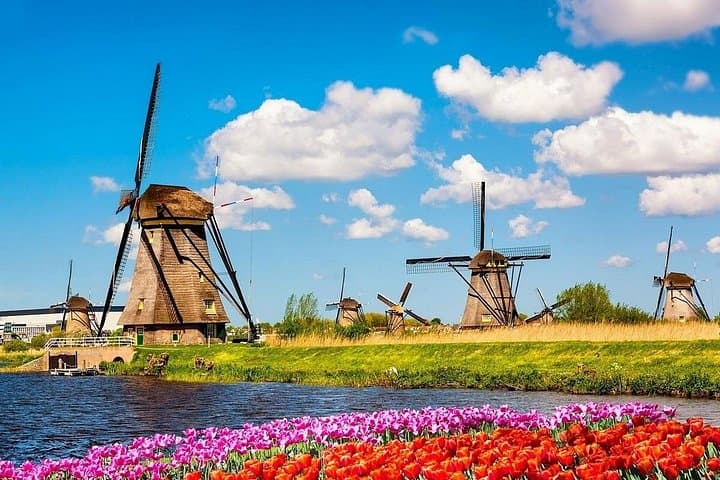
You leave Amsterdam before the day has fully warmed, the minivan slipping past low fields where the land appears to sit a hair below the waterline. As you approach Kinderdijk the horizon rearranges itself into a row of wooden sails—windmills pivoting like slow metronomes—guarding a centuries-old water economy.
Verified experiences and guided adventures in the surrounding area.
Operated by 360 Amsterdam Tours · Kinderdijk, South Holland
You leave Amsterdam before the day has fully warmed, the minivan slipping past low fields where the land appears to sit a hair below the waterline. As you approach Kinderdijk the horizon rearranges itself into a row of wooden sails—windmills pivoting like slow metronomes—guarding a centuries-old water economy.
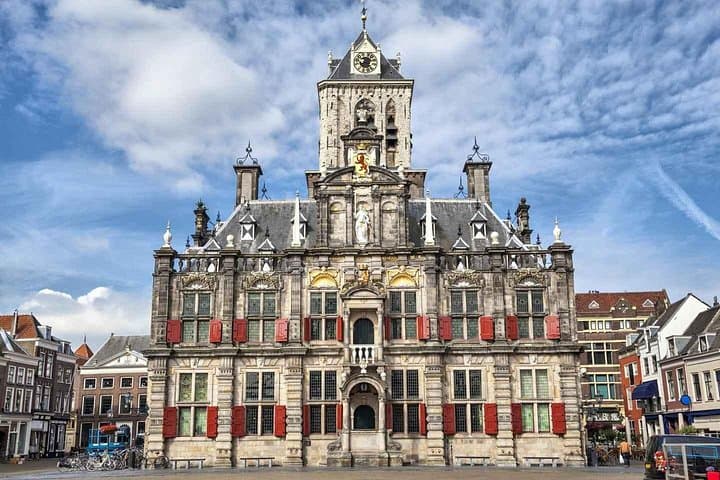
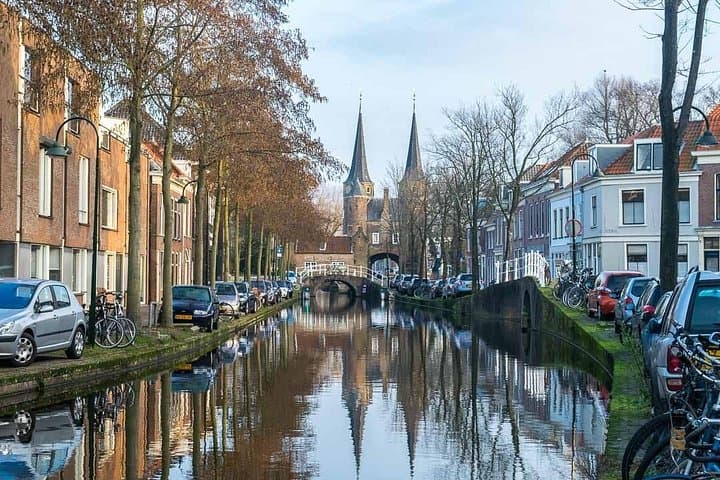
Kinderdijk’s 18th-century mills are engineering answers to a geological problem: reclaimed polders, peat soils and constant water pressure. UNESCO protected, the site demonstrates Dutch ingenuity in drainage and flood control. In Delft the city’s brick channels and narrow gables frame a different history—artisan pottery and the life of Vermeer—while The Hague layers diplomacy, royal palaces and modern museums against leafy boulevards.
Expect museum choices (Mauritshuis, Escher, Madurodam or Kunstmuseum) and a guided look inside two historic windmills. The pace is easy: short walks, cobbled streets and canal-side routes with flat terrain but variable footing.
Practical guidance: wear sturdy, water-resistant shoes for cobbles and damp boardwalks; carry a light waterproof layer—weather turns quickly near the coast. Bring a small daypack, travel documents for museum entry, and a refillable bottle; bottled water is provided but refill stations are common. Plan for about nine hours including round-trip transfers; mornings are quieter at Kinderdijk and late afternoons offer softer light in Delft. If you want more time in a museum, request that when booking—the itinerary is private but time is shared across sites. Stay on paths at Kinderdijk and follow local signage: these landscapes are managed and fragile, and a little restraint keeps them working for generations to come.
Yes—one museum ticket (Mauritshuis, Madurodam, Escher Museum or Kunstmuseum) and Kinderdijk admission are included; you choose which museum after booking.
Pickup and drop-off are part of the service; you’ll select your pickup point during booking and the operator confirms details before departure.
The tour is suitable for most travelers, but the minivan cannot accommodate full-size wheelchairs and some historic sites have limited accessibility—contact the operator to discuss needs.
Bottled water and a driver-guide are included, but lunch and most snacks are not—there are cafés in Delft and The Hague for a seated meal.
360 Amsterdam Tours operates guided outdoor trips and adventures with an emphasis on safety, stewardship, and memorable experiences.

You leave Amsterdam before the day has fully warmed, the minivan slipping past low fields where the land appears to sit a hair below the waterline. As you approach Kinderdijk the horizon rearranges itself into a row of wooden sails—windmills pivoting like slow metronomes—guarding a centuries-old water economy.
You leave Amsterdam before the day has fully warmed, the minivan slipping past low fields where the land appears to sit a hair below the waterline. As you approach Kinderdijk the horizon rearranges itself into a row of wooden sails—windmills pivoting like slow metronomes—guarding a centuries-old water economy.
Kinderdijk’s 18th-century mills are engineering answers to a geological problem: reclaimed polders, peat soils and constant water pressure. UNESCO protected, the site demonstrates Dutch ingenuity in drainage and flood control. In Delft the city’s brick channels and narrow gables frame a different history—artisan pottery and the life of Vermeer—while The Hague layers diplomacy, royal palaces and modern museums against leafy boulevards.
Expect museum choices (Mauritshuis, Escher, Madurodam or Kunstmuseum) and a guided look inside two historic windmills. The pace is easy: short walks, cobbled streets and canal-side routes with flat terrain but variable footing.
Practical guidance: wear sturdy, water-resistant shoes for cobbles and damp boardwalks; carry a light waterproof layer—weather turns quickly near the coast. Bring a small daypack, travel documents for museum entry, and a refillable bottle; bottled water is provided but refill stations are common. Plan for about nine hours including round-trip transfers; mornings are quieter at Kinderdijk and late afternoons offer softer light in Delft. If you want more time in a museum, request that when booking—the itinerary is private but time is shared across sites. Stay on paths at Kinderdijk and follow local signage: these landscapes are managed and fragile, and a little restraint keeps them working for generations to come.