THE ADVENTURE COLLECTIVE® · Independent discovery and booking for outdoor travel

Experience the National WWII Museum with all-day admission and the Tom Hanks–produced 4-D film Beyond All Boundaries. This guide explains what to expect, practical tips for the theater’s effects, and how to make the most of a day on the museum campus.
Experience the National WWII Museum with all-day admission and the Tom Hanks–produced 4-D film Beyond All Boundaries. This guide explains what to expect, practical tips for the theater’s effects, and how to make the most of a day on the museum campus.
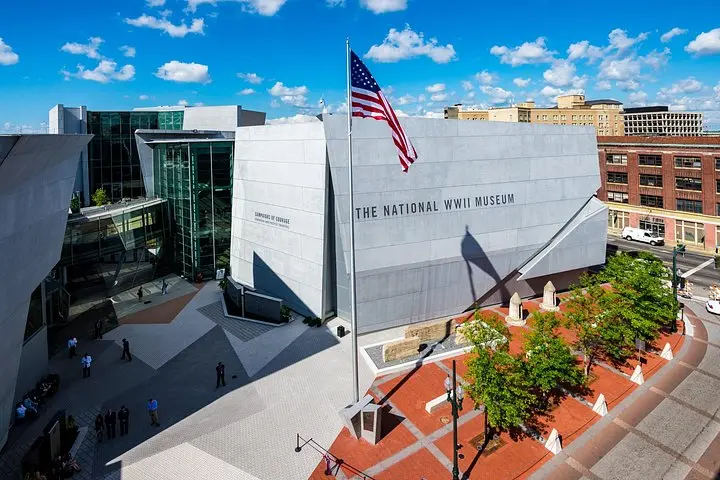
You enter under the museum’s clean lines and brick pavilions with the city’s humid air still on your skin; inside, the tone tightens — archival film grain, the clack of metal models, and the low hum of climate controls that keep fragile uniforms and planes stable.
Verified experiences and guided adventures in the surrounding area.
Operated by National WWII Museum · New Orleans, Louisiana
You enter under the museum’s clean lines and brick pavilions with the city’s humid air still on your skin; inside, the tone tightens — archival film grain, the clack of metal models, and the low hum of climate controls that keep fragile uniforms and planes stable.
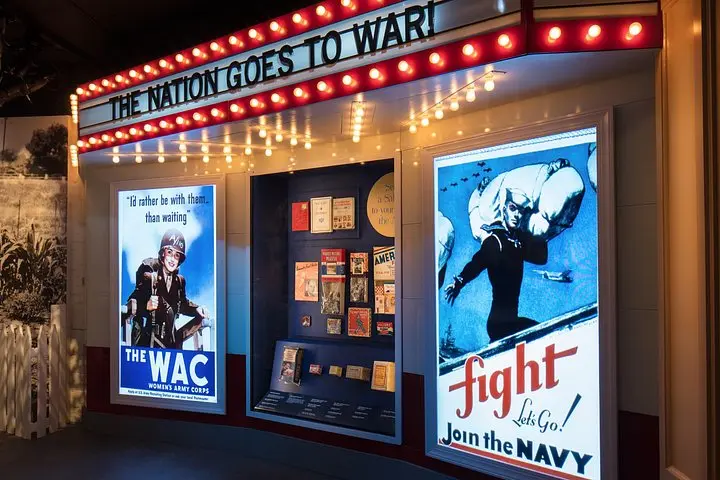
Across six acres the National WWII Museum lays out the war as both strategy room and human story: campaign maps that stretch across walls, restored vehicles under glass, oral histories played in intimate booths. The Solomon Victory Theater stages Beyond All Boundaries, a Tom Hanks–produced 4-D film that layers archival footage with vibrating seats, wind and fog effects, and sudden sound bursts to dramatize major battles. The campus grew from private collections to a national institution and was designated by Congress as the official WWII museum of the United States.
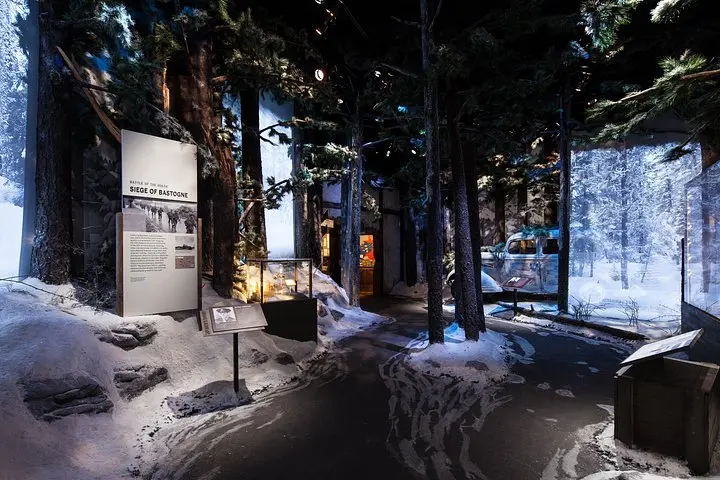
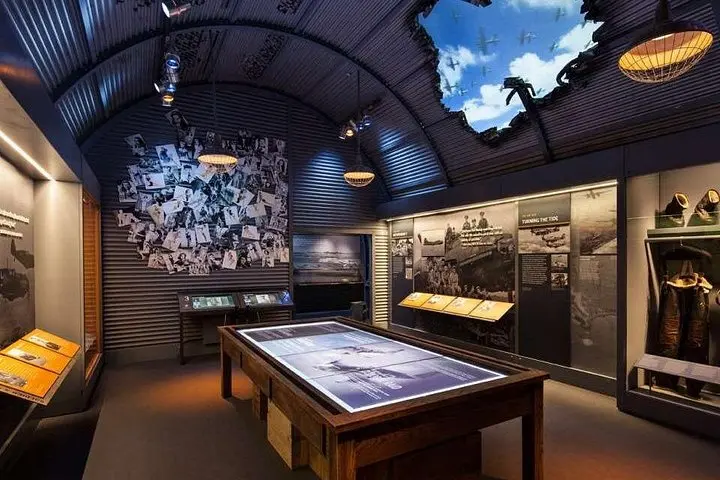
Geology matters less here than preservation: galleries are climate-controlled to protect paper, textiles and metal. Culturally, the museum ties New Orleans’ port-city past to global conflict — volunteers, veterans and curators shape rotating exhibits that pivot between strategy and civilian life.
Practical guidance: book a timed ticket for the 4-D film and arrive early enough to tour the galleries before your show; opening hours are 9 a.m.–5 p.m. Plan 2–4 hours for a focused visit or most of a day to see everything. Expect loud noises and flashing effects in the theater; stationary seating is available. The campus is wheelchair accessible; audio assist devices are available. Carry water, wear comfortable shoes for gallery walking, and give yourself time for the on-site restaurants and gift shop.
The film is about 45 minutes; check your ticket for the exact showtime and arrive early to enter galleries beforehand.
Yes — the campus is wheelchair accessible, with accessible surfaces throughout and assisted listening devices available for the film.
Yes — your pass includes all-day general admission and a timed 4-D film showing; you may enter the museum any time before your scheduled movie time.
Content includes loud noises, flashing lights and fog effects; infants must sit on laps and some parents prefer older children who can tolerate sensory stimuli.
National WWII Museum operates guided outdoor trips and adventures with an emphasis on safety, stewardship, and memorable experiences.
You enter under the museum’s clean lines and brick pavilions with the city’s humid air still on your skin; inside, the tone tightens — archival film grain, the clack of metal models, and the low hum of climate controls that keep fragile uniforms and planes stable.
You enter under the museum’s clean lines and brick pavilions with the city’s humid air still on your skin; inside, the tone tightens — archival film grain, the clack of metal models, and the low hum of climate controls that keep fragile uniforms and planes stable.
Across six acres the National WWII Museum lays out the war as both strategy room and human story: campaign maps that stretch across walls, restored vehicles under glass, oral histories played in intimate booths. The Solomon Victory Theater stages Beyond All Boundaries, a Tom Hanks–produced 4-D film that layers archival footage with vibrating seats, wind and fog effects, and sudden sound bursts to dramatize major battles. The campus grew from private collections to a national institution and was designated by Congress as the official WWII museum of the United States.
Geology matters less here than preservation: galleries are climate-controlled to protect paper, textiles and metal. Culturally, the museum ties New Orleans’ port-city past to global conflict — volunteers, veterans and curators shape rotating exhibits that pivot between strategy and civilian life.
Practical guidance: book a timed ticket for the 4-D film and arrive early enough to tour the galleries before your show; opening hours are 9 a.m.–5 p.m. Plan 2–4 hours for a focused visit or most of a day to see everything. Expect loud noises and flashing effects in the theater; stationary seating is available. The campus is wheelchair accessible; audio assist devices are available. Carry water, wear comfortable shoes for gallery walking, and give yourself time for the on-site restaurants and gift shop.