THE ADVENTURE COLLECTIVE® · Independent discovery and booking for outdoor travel

An eight‑day cultural itinerary through Accra, Kumasi, Cape Coast and Kakum that combines historical sites, living Ashanti traditions and a canopy walk in a tropical rainforest. Expect museum tours, traditional naming ceremonies, textile workshops and guided walks that bridge past and present.
An eight‑day cultural itinerary through Accra, Kumasi, Cape Coast and Kakum that combines historical sites, living Ashanti traditions and a canopy walk in a tropical rainforest. Expect museum tours, traditional naming ceremonies, textile workshops and guided walks that bridge past and present.
You step off the plane into Accra’s humid air and the city seems to exhale history around you — markets calling, drums beating, and palms leaning toward the Atlantic. Over eight days the tour moves like a careful tide between capital streets and coastal forts, rainforest canopy and royal palaces, each stop asking you to listen.
Verified experiences and guided adventures in the surrounding area.
Operated by Ashanti African Tours · Accra, Greater Accra Region
You step off the plane into Accra’s humid air and the city seems to exhale history around you — markets calling, drums beating, and palms leaning toward the Atlantic. Over eight days the tour moves like a careful tide between capital streets and coastal forts, rainforest canopy and royal palaces, each stop asking you to listen.
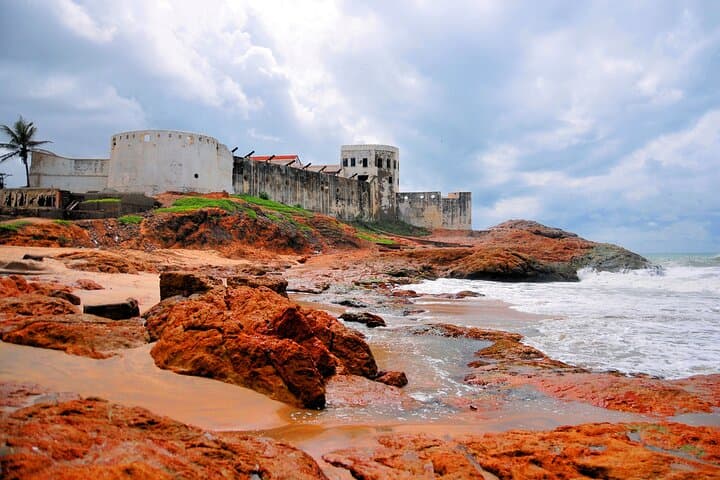
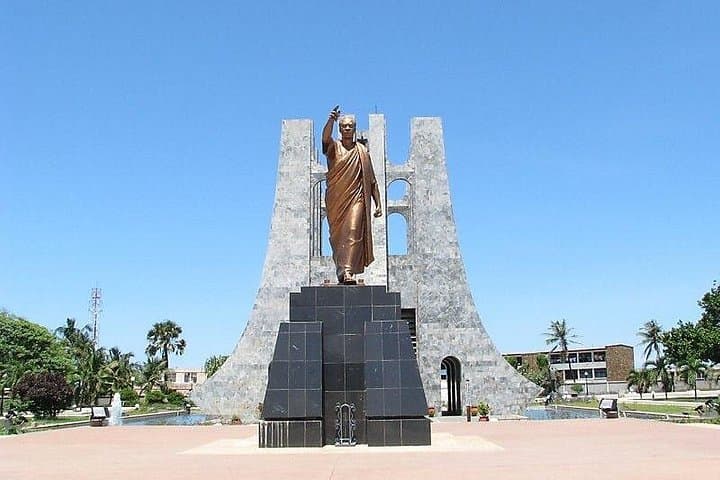
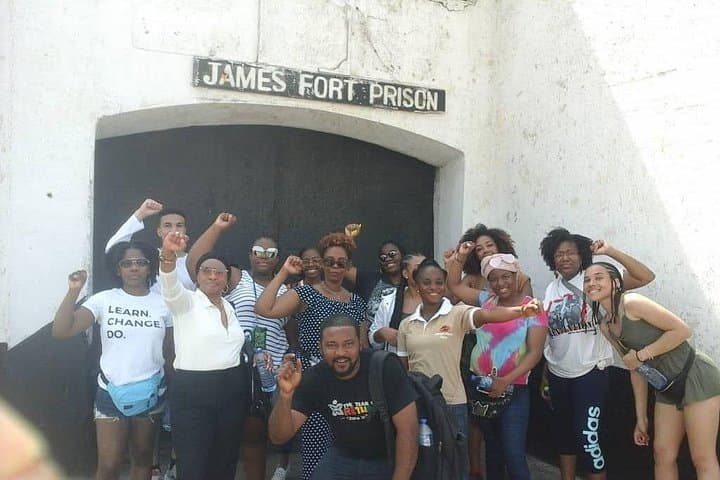
The itinerary traces West Africa’s layered past: Kwame Nkrumah’s Independence Square, the DuBois Centre of Pan‑African history, and the Ashanti courts of Kumasi where the Manhyia Palace tells of a centralized state that shaped the region. Along the coast, Cape Coast Castle and Elmina Castle confront the transatlantic slave trade; inland, Adanwomasi and Ntunso keep textile techniques alive in hand‑loomed kente and adinkra dyeing. Kakum National Park offers a contrasting green — seven suspended bridges that lift you into the canopy and a different set of histories written in trees and animal trails.
Practically, expect comfortable travel by air‑conditioned vehicle, daily guided walks, and beachside hotels on the final nights. You’ll need sensible shoes for markets, cobbled forts and the Kakum walkway, light layers for humid days and cooler hilltops at Aburi. Carry local currency for markets, a small tip envelope for guides and drivers, and a respectful attitude at sacred sites and naming ceremonies. The best months are in the drier season for easier travel and clearer canopy views.
This is a reflective, experiential tour that balances museum education with hands‑on craft visits and community ceremonies — an immersive route for people reconnecting with heritage and for travelers who want a tightly organized, culturally rich trip.
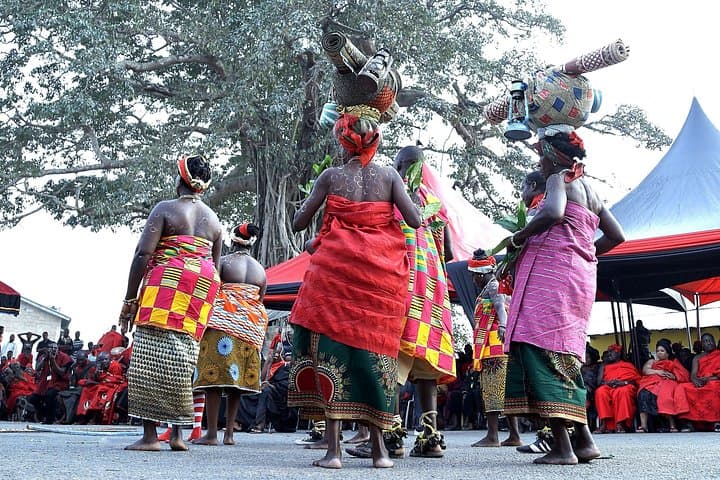
The tour arranges a private naming ceremony with local chiefs and elders; it’s a culturally guided event tailored for your group.
Most museum and castle admissions plus multiple breakfasts, lunches and dinners are included; check your booking for specifics on each day.
The walkway is well maintained with guide support, but it’s elevated — if you have significant fear of heights, discuss alternatives with your guide.
Travelers should check current Ghana visa requirements and consult a travel clinic for recommended vaccinations and malaria prophylaxis before departure.
Ashanti African Tours operates guided outdoor trips and adventures with an emphasis on safety, stewardship, and memorable experiences.
You step off the plane into Accra’s humid air and the city seems to exhale history around you — markets calling, drums beating, and palms leaning toward the Atlantic. Over eight days the tour moves like a careful tide between capital streets and coastal forts, rainforest canopy and royal palaces, each stop asking you to listen.
You step off the plane into Accra’s humid air and the city seems to exhale history around you — markets calling, drums beating, and palms leaning toward the Atlantic. Over eight days the tour moves like a careful tide between capital streets and coastal forts, rainforest canopy and royal palaces, each stop asking you to listen.
The itinerary traces West Africa’s layered past: Kwame Nkrumah’s Independence Square, the DuBois Centre of Pan‑African history, and the Ashanti courts of Kumasi where the Manhyia Palace tells of a centralized state that shaped the region. Along the coast, Cape Coast Castle and Elmina Castle confront the transatlantic slave trade; inland, Adanwomasi and Ntunso keep textile techniques alive in hand‑loomed kente and adinkra dyeing. Kakum National Park offers a contrasting green — seven suspended bridges that lift you into the canopy and a different set of histories written in trees and animal trails.
Practically, expect comfortable travel by air‑conditioned vehicle, daily guided walks, and beachside hotels on the final nights. You’ll need sensible shoes for markets, cobbled forts and the Kakum walkway, light layers for humid days and cooler hilltops at Aburi. Carry local currency for markets, a small tip envelope for guides and drivers, and a respectful attitude at sacred sites and naming ceremonies. The best months are in the drier season for easier travel and clearer canopy views.
This is a reflective, experiential tour that balances museum education with hands‑on craft visits and community ceremonies — an immersive route for people reconnecting with heritage and for travelers who want a tightly organized, culturally rich trip.