THE ADVENTURE COLLECTIVE® · Independent discovery and booking for outdoor travel

Wander Bhaktapur’s Durbar Square and Pottery Square on a 4-hour guided walk that pairs Malla-era architecture with living ceramic traditions. Expect close-up kiln demonstrations, carved temples, tight alleys and practical tips for photographing artisans respectfully.
Wander Bhaktapur’s Durbar Square and Pottery Square on a 4-hour guided walk that pairs Malla-era architecture with living ceramic traditions. Expect close-up kiln demonstrations, carved temples, tight alleys and practical tips for photographing artisans respectfully.
Morning light pours over Nyatapola's five-tiered roof and finds its way into the low courtyards of Bhaktapur. You step from a shaded lane into Pottery Square where rows of sun-warmed clay glint like small, earthen moons. The air carries kiln smoke and the steady rhythm of hands shaping vessels — a craft refined here for centuries.
Verified experiences and guided adventures in the surrounding area.
Operated by Nepal Tour & Trekking Services · Bhaktapur, Bagmati Province
Morning light pours over Nyatapola's five-tiered roof and finds its way into the low courtyards of Bhaktapur. You step from a shaded lane into Pottery Square where rows of sun-warmed clay glint like small, earthen moons. The air carries kiln smoke and the steady rhythm of hands shaping vessels — a craft refined here for centuries.
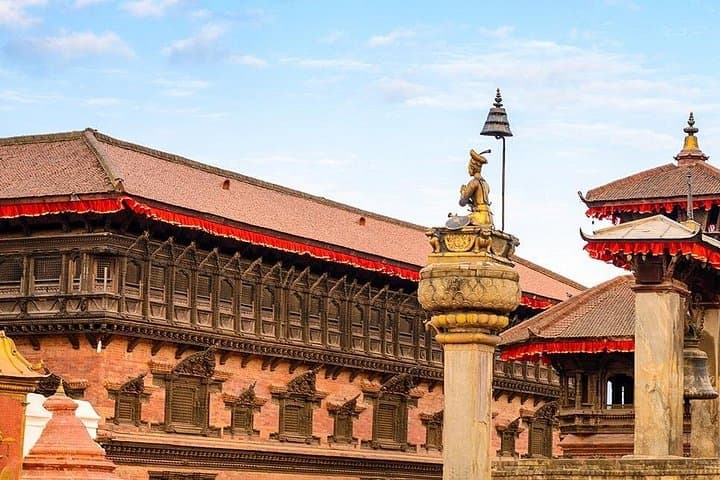
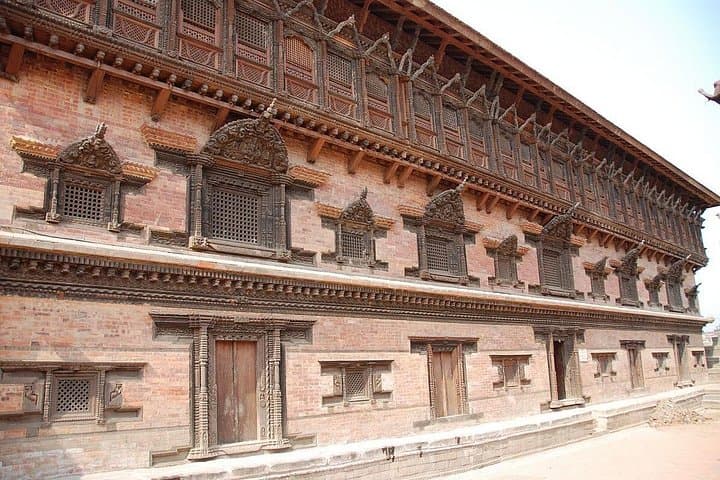
Bhaktapur (Bhadgaon) was a medieval kingdom that preserved Newari architecture, wood carving and mixed Hindu–Buddhist traditions. Durbar Square’s Golden Gate and the Palace of Fifty-Five Windows date to the Malla period (12th–18th centuries) and reveal brick-and-tile construction techniques adapted to the Kathmandu Valley’s alluvial soils. The potters’ kilns follow time-tested firing cycles: slow drying, close proximity to fuel, then sudden heat that hardens both function and form.
On this 4-hour walking tour you’ll move at a measured pace: temples, carved struts, narrow alleys, and marketplace exchanges. Expect uneven stone, occasional dusty patches and tight staircases to temple platforms. Local artisans welcome observation but not interference — ask before photographing work up close. Quiet respect around shrines is customary; shoes may stay on at some exterior sites but remove them if asked.
Practical pointers: go early for softer light and cooler air, carry small-denomination cash for handicrafts, bring sun protection and a light layer for cooler mornings. The route is accessible to most fitness levels but includes cobbles and steps; comfortable footwear and steady footing are the best preparations for an immersive half-day in Bhaktapur.
The general walking tour includes guide fees and transport; some temple entrance fees may be paid separately—carry small cash.
Yes—this is an easy-paced walking tour, but uneven stones and steps may be challenging for those with mobility issues; notify the operator when booking for assistance.
Yes—many workshops sell wares on site; bargaining is normal but modest offers show respect for craft and time.
The tour is about 4 hours and typically includes hotel pickup and drop-off from centrally located Kathmandu and Bhaktapur hotels.
Nepal Tour & Trekking Services operates guided outdoor trips and adventures with an emphasis on safety, stewardship, and memorable experiences.
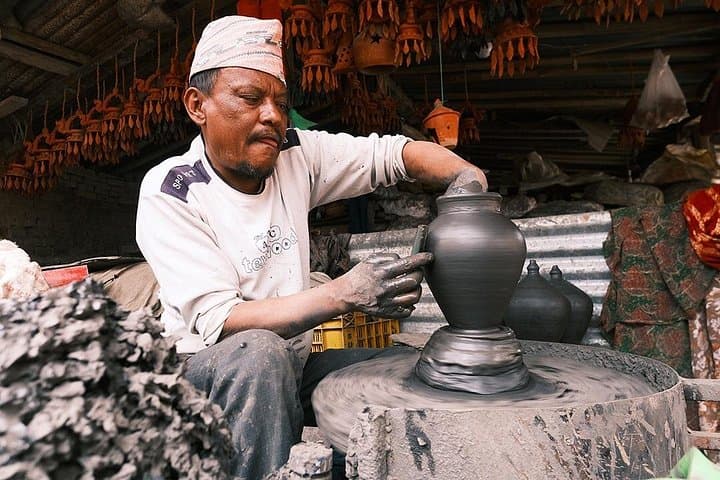
Morning light pours over Nyatapola's five-tiered roof and finds its way into the low courtyards of Bhaktapur. You step from a shaded lane into Pottery Square where rows of sun-warmed clay glint like small, earthen moons. The air carries kiln smoke and the steady rhythm of hands shaping vessels — a craft refined here for centuries.
Morning light pours over Nyatapola's five-tiered roof and finds its way into the low courtyards of Bhaktapur. You step from a shaded lane into Pottery Square where rows of sun-warmed clay glint like small, earthen moons. The air carries kiln smoke and the steady rhythm of hands shaping vessels — a craft refined here for centuries.
Bhaktapur (Bhadgaon) was a medieval kingdom that preserved Newari architecture, wood carving and mixed Hindu–Buddhist traditions. Durbar Square’s Golden Gate and the Palace of Fifty-Five Windows date to the Malla period (12th–18th centuries) and reveal brick-and-tile construction techniques adapted to the Kathmandu Valley’s alluvial soils. The potters’ kilns follow time-tested firing cycles: slow drying, close proximity to fuel, then sudden heat that hardens both function and form.
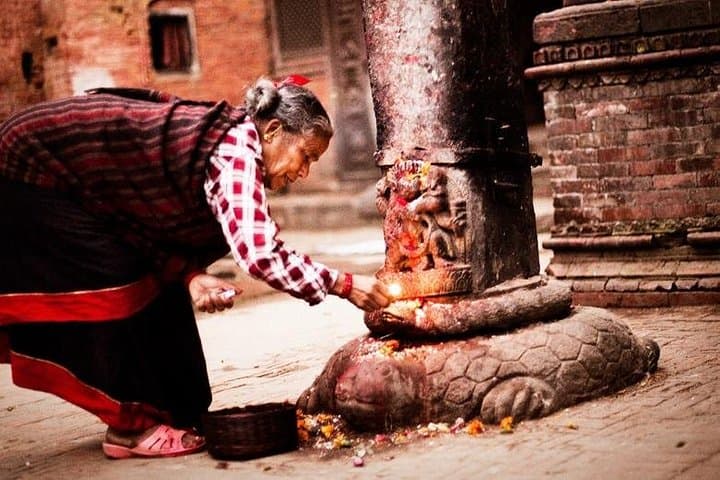
On this 4-hour walking tour you’ll move at a measured pace: temples, carved struts, narrow alleys, and marketplace exchanges. Expect uneven stone, occasional dusty patches and tight staircases to temple platforms. Local artisans welcome observation but not interference — ask before photographing work up close. Quiet respect around shrines is customary; shoes may stay on at some exterior sites but remove them if asked.
Practical pointers: go early for softer light and cooler air, carry small-denomination cash for handicrafts, bring sun protection and a light layer for cooler mornings. The route is accessible to most fitness levels but includes cobbles and steps; comfortable footwear and steady footing are the best preparations for an immersive half-day in Bhaktapur.