THE ADVENTURE COLLECTIVE® · Independent discovery and booking for outdoor travel

Drive from Jaipur to Keoladeo National Park for a guided, private day of birdwatching across its shallow wetlands. This practical guide explains what to expect—travel time, likely sightings, and gear tips to make the most of a 2.5-hour guided rickshaw or bicycle circuit.
Drive from Jaipur to Keoladeo National Park for a guided, private day of birdwatching across its shallow wetlands. This practical guide explains what to expect—travel time, likely sightings, and gear tips to make the most of a 2.5-hour guided rickshaw or bicycle circuit.
The bus pulls off the highway before dawn and the world narrows to marshlight and reed whispers; by the time you step into Keoladeo National Park the wetlands are already stirring. Waders probe shallow water, raptors cruise low, and the guide’s voice points out small behaviors that make the day’s sightings click into place.
Verified experiences and guided adventures in the surrounding area.
Operated by Three Corners United · Bharatpur, Rajasthan
The bus pulls off the highway before dawn and the world narrows to marshlight and reed whispers; by the time you step into Keoladeo National Park the wetlands are already stirring. Waders probe shallow water, raptors cruise low, and the guide’s voice points out small behaviors that make the day’s sightings click into place.
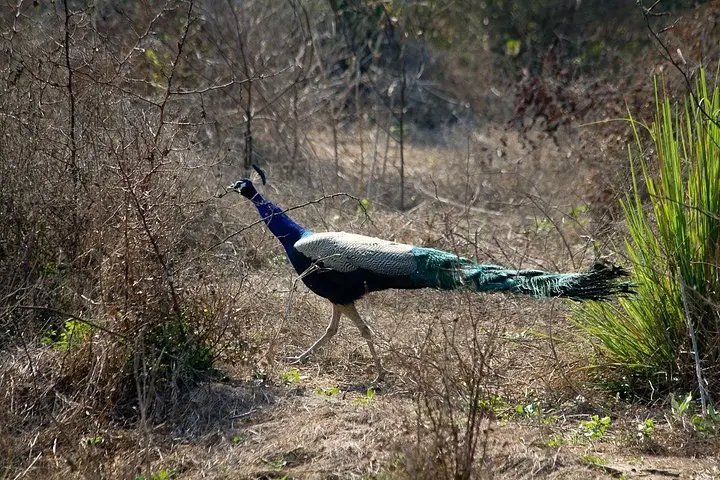
Keoladeo began as a royal duck-hunting reserve in the 18th century and was later protected as a bird sanctuary; today it’s a Ramsar wetland famed for more than 375 species of resident and migratory birds. Geologically it’s a shallow floodplain—seasonal inundation creates islands, channels and mudflats that shape where birds feed and roost. The park’s culture is rural Rajasthan: nearby villages, grazing cattle, and the slow tempo of agricultural life framing each bird call.
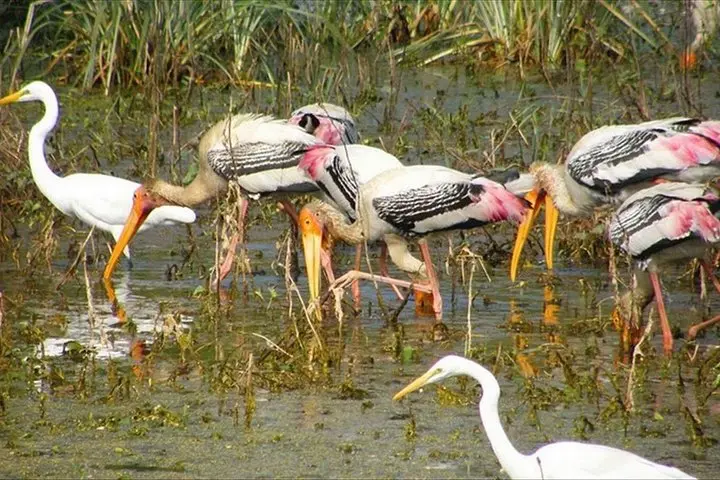
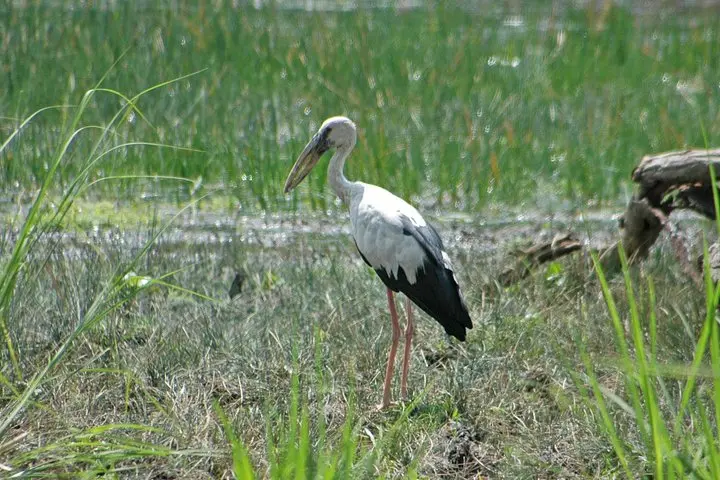
On a private day tour from Jaipur you’ll travel roughly 200 km (about four hours one-way), meet a local guide, and spend a guided 2.5-hour circuit by rickshaw or bicycle through the main wetlands. Expect to see egrets, painted storks, pelicans, kingfishers and marsh birds; historically the park hosted Siberian cranes, and migratory waves still define winter months.
Practical tips: start early for best light and bird activity, wear sun protection and light layers, bring binoculars and a telephoto lens if you want sharp photos, and carry insect repellent for the marsh edges. Stay quiet on the rickshaw loops, respect posted paths, and plan for a mid-tour lunch in Bharatpur before the return drive to Jaipur. This is accessible wildlife watching with a strong payoff for patient observers.
Expect about 3.5–4 hours each way depending on traffic; the tour schedules an early departure to maximize time in the park.
Yes—this private tour includes entrance tickets, an air-conditioned vehicle, and hotel pickup and drop-off as listed.
Yes—your guide will offer a rickshaw or bicycle for the 2.5-hour guided circuit based on preference and physical ability.
Winter months (November–February) are peak for migratory arrivals; mornings are best year-round for active birding.
Three Corners United operates guided outdoor trips and adventures with an emphasis on safety, stewardship, and memorable experiences.

The bus pulls off the highway before dawn and the world narrows to marshlight and reed whispers; by the time you step into Keoladeo National Park the wetlands are already stirring. Waders probe shallow water, raptors cruise low, and the guide’s voice points out small behaviors that make the day’s sightings click into place.
The bus pulls off the highway before dawn and the world narrows to marshlight and reed whispers; by the time you step into Keoladeo National Park the wetlands are already stirring. Waders probe shallow water, raptors cruise low, and the guide’s voice points out small behaviors that make the day’s sightings click into place.
Keoladeo began as a royal duck-hunting reserve in the 18th century and was later protected as a bird sanctuary; today it’s a Ramsar wetland famed for more than 375 species of resident and migratory birds. Geologically it’s a shallow floodplain—seasonal inundation creates islands, channels and mudflats that shape where birds feed and roost. The park’s culture is rural Rajasthan: nearby villages, grazing cattle, and the slow tempo of agricultural life framing each bird call.
On a private day tour from Jaipur you’ll travel roughly 200 km (about four hours one-way), meet a local guide, and spend a guided 2.5-hour circuit by rickshaw or bicycle through the main wetlands. Expect to see egrets, painted storks, pelicans, kingfishers and marsh birds; historically the park hosted Siberian cranes, and migratory waves still define winter months.
Practical tips: start early for best light and bird activity, wear sun protection and light layers, bring binoculars and a telephoto lens if you want sharp photos, and carry insect repellent for the marsh edges. Stay quiet on the rickshaw loops, respect posted paths, and plan for a mid-tour lunch in Bharatpur before the return drive to Jaipur. This is accessible wildlife watching with a strong payoff for patient observers.