THE ADVENTURE COLLECTIVE® · Independent discovery and booking for outdoor travel

A full-day naturalist-led safari from Delhi to Keoladeo National Park in Bharatpur — discover resident and migratory birds by tricycle-rickshaw through wetlands and groves. Ideal for photographers and wildlife enthusiasts seeking concentrated birding in a managed wetland.
A full-day naturalist-led safari from Delhi to Keoladeo National Park in Bharatpur — discover resident and migratory birds by tricycle-rickshaw through wetlands and groves. Ideal for photographers and wildlife enthusiasts seeking concentrated birding in a managed wetland.
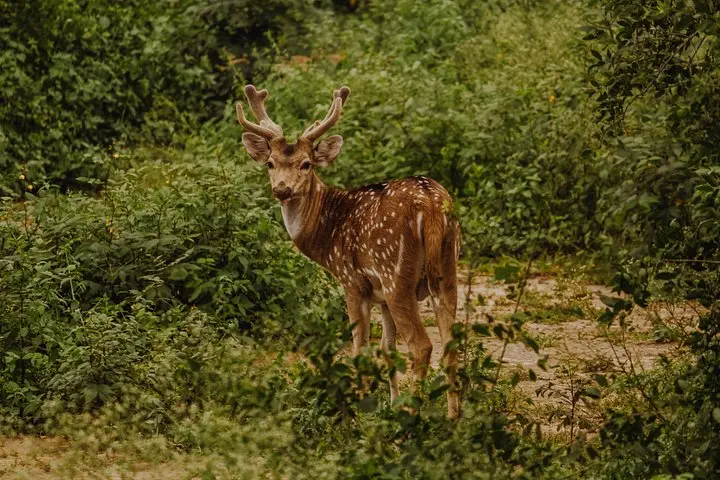
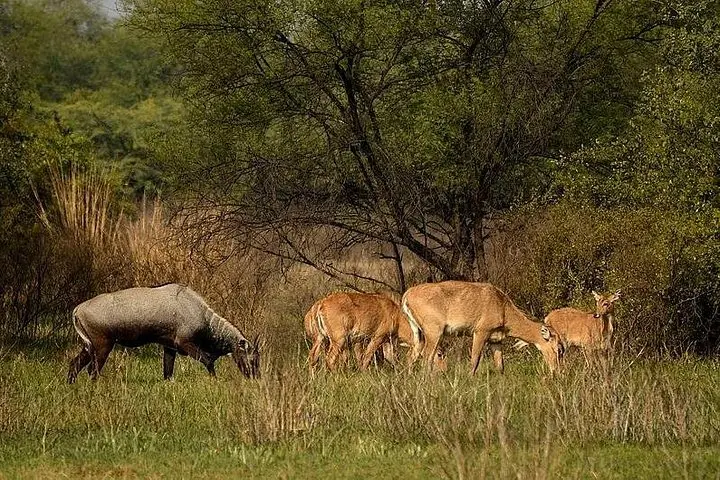
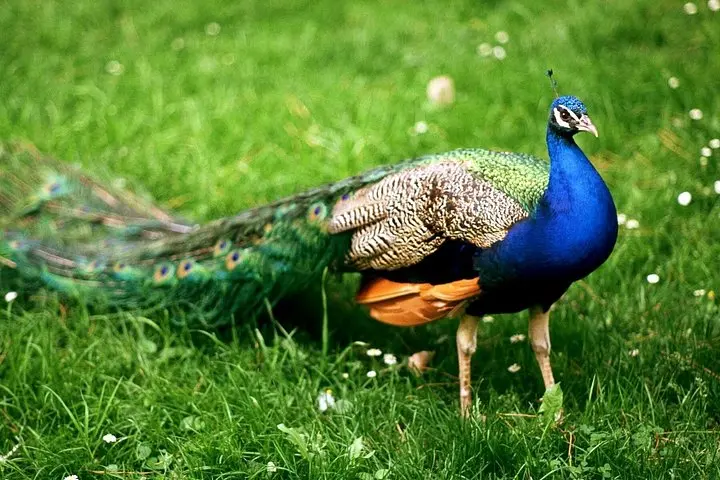
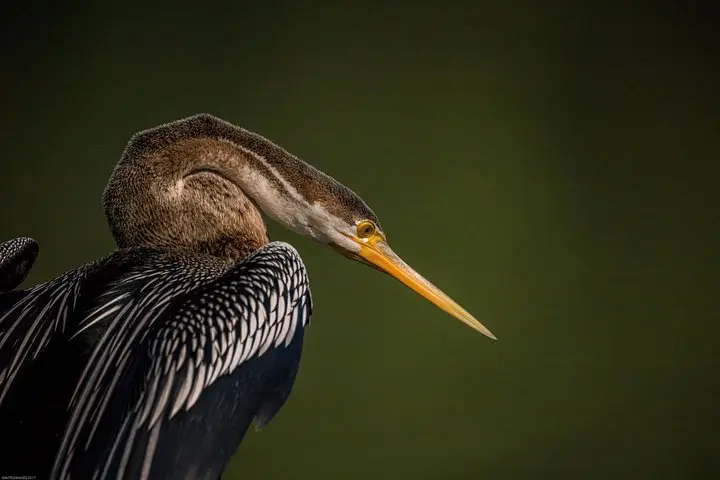
You step out of the car before dawn and the air is already moving — reed beds whisper, water gleams, and distant calls stitch the horizon. Keoladeo National Park, south of Bharatpur, unfolds as a living wetland where migratory flocks drop in like punctuation: curlews, herons, painted storks and the occasional eagle that banks over the marsh.
Verified experiences and guided adventures in the surrounding area.
Operated by Discover Activities · Bharatpur, Rajasthan
You step out of the car before dawn and the air is already moving — reed beds whisper, water gleams, and distant calls stitch the horizon. Keoladeo National Park, south of Bharatpur, unfolds as a living wetland where migratory flocks drop in like punctuation: curlews, herons, painted storks and the occasional eagle that banks over the marsh.
The park began as a royal hunting reserve in the 18th century and evolved into a carefully managed wetland that supports more than 350 bird species. Its shallow marshes and groves sit on alluvial plains shaped by the Yamuna’s ancient flow; man-made bunds and channels now control water to attract seasonal migrants. Local communities in Bharatpur have long linked life to these waters — fishing, grazing and temple rituals — and you can still feel those layers in the park’s quiet temples and nearby markets.
On a guided tricycle-rickshaw safari you’ll move slower than on foot, giving birds space to act and you time to observe. Expect easy walking on raised earth tracks, intermittent boardwalks and muddy patches after rain. The naturalist points out subtle signs: molted feathers, nesting platforms, a line of foragers working a shoreline.
Practical guidance: start early for cool light and peak activity, bring binoculars and a telephoto lens if you plan photos, wear breathable layers and sun protection, and carry water — midday heat can be intense. Respect seasonal closures and stay with your guide to minimize disturbance. A day here reads as both patient observation and efficient logistics: long drives from Delhi, concentrated wildlife time in the sanctuary, and a quiet return with images and field notes to show for it.
Yes — the tour typically includes hotel pickup in Delhi; confirm your pickup point when booking.
National Park entrance fees are listed as included with the tour, so you won’t need to pay separately at the gate.
Winter months (November–February) are prime for migrants; resident species are viewable year-round but numbers rise in cooler months.
Children can join but must be accompanied by an adult; the tour’s pace is gentle but involves long travel times from Delhi.
Discover Activities operates guided outdoor trips and adventures with an emphasis on safety, stewardship, and memorable experiences.
You step out of the car before dawn and the air is already moving — reed beds whisper, water gleams, and distant calls stitch the horizon. Keoladeo National Park, south of Bharatpur, unfolds as a living wetland where migratory flocks drop in like punctuation: curlews, herons, painted storks and the occasional eagle that banks over the marsh.
You step out of the car before dawn and the air is already moving — reed beds whisper, water gleams, and distant calls stitch the horizon. Keoladeo National Park, south of Bharatpur, unfolds as a living wetland where migratory flocks drop in like punctuation: curlews, herons, painted storks and the occasional eagle that banks over the marsh.
The park began as a royal hunting reserve in the 18th century and evolved into a carefully managed wetland that supports more than 350 bird species. Its shallow marshes and groves sit on alluvial plains shaped by the Yamuna’s ancient flow; man-made bunds and channels now control water to attract seasonal migrants. Local communities in Bharatpur have long linked life to these waters — fishing, grazing and temple rituals — and you can still feel those layers in the park’s quiet temples and nearby markets.
On a guided tricycle-rickshaw safari you’ll move slower than on foot, giving birds space to act and you time to observe. Expect easy walking on raised earth tracks, intermittent boardwalks and muddy patches after rain. The naturalist points out subtle signs: molted feathers, nesting platforms, a line of foragers working a shoreline.
Practical guidance: start early for cool light and peak activity, bring binoculars and a telephoto lens if you plan photos, wear breathable layers and sun protection, and carry water — midday heat can be intense. Respect seasonal closures and stay with your guide to minimize disturbance. A day here reads as both patient observation and efficient logistics: long drives from Delhi, concentrated wildlife time in the sanctuary, and a quiet return with images and field notes to show for it.