THE ADVENTURE COLLECTIVE® · Independent discovery and booking for outdoor travel

Walk quiet marsh paths and watch flocks that winter from Siberia to Keoladeo’s ponds on this private, three-hour tour. Guided rickshaw segments and included admission make it an efficient, accessible introduction to one of India’s premier birding sites.
Walk quiet marsh paths and watch flocks that winter from Siberia to Keoladeo’s ponds on this private, three-hour tour. Guided rickshaw segments and included admission make it an efficient, accessible introduction to one of India’s premier birding sites.
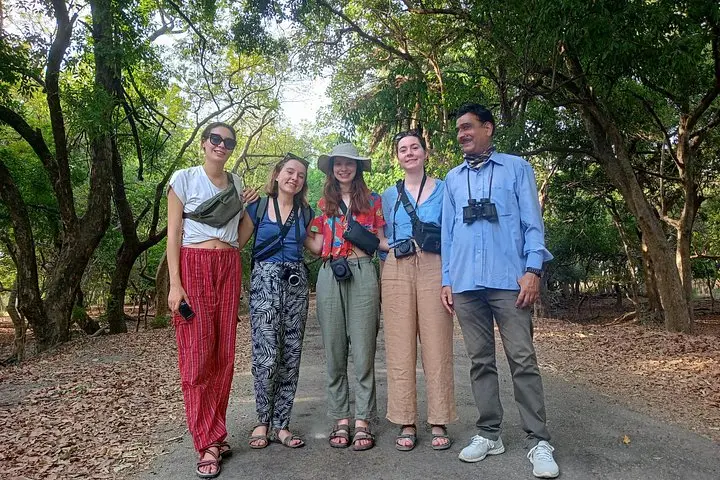
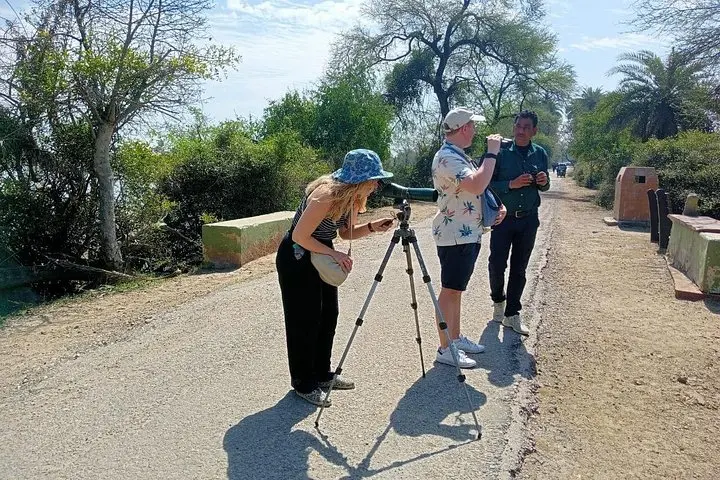
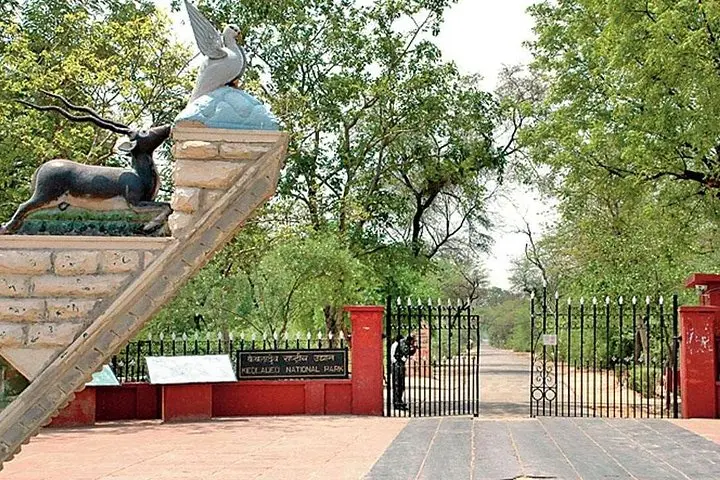
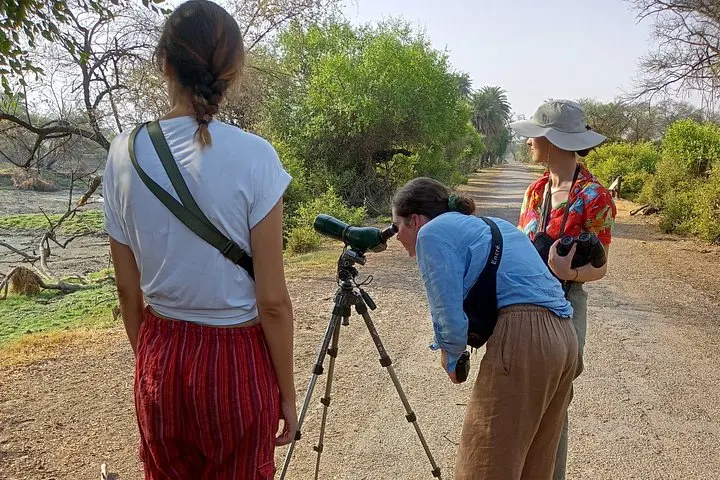
You step from the rickshaw onto a sun-warmed path and the noise of the road drops away — reedbeds breathe around a network of shallow marshes, and the park's resident waterfowl tilt and call as you pass. Keoladeo National Park (often called Bharatpur Bird Sanctuary) moves at bird time: sudden flights, slow paddles, and the careful searching of a painted stork.
Verified experiences and guided adventures in the surrounding area.
Operated by India saying namaste Trips · Bharatpur, Rajasthan
You step from the rickshaw onto a sun-warmed path and the noise of the road drops away — reedbeds breathe around a network of shallow marshes, and the park's resident waterfowl tilt and call as you pass. Keoladeo National Park (often called Bharatpur Bird Sanctuary) moves at bird time: sudden flights, slow paddles, and the careful searching of a painted stork.
Created from a Mughal-era hunting reserve and reshaped in the 19th century under princely patronage, Keoladeo sits on the Indo-Gangetic plain where seasonal flooding and ancient alluvial soils created a mosaic of wetland habitats. The park’s low, flat geography makes it easy country to explore by foot, bike, or traditional rickshaw — the latter still used for guided visits here.
Culturally, the site reflects Rajasthan’s mix of conservation and community; local guides link natural history with stories of the marshes’ management and the migratory routes that pass all the way from Siberia and Central Asia.
Practical guidance: this private, three-hour tour is largely accessible — expect short, level walking on dirt tracks and boardwalks, with stops at hides and viewing ponds. Bring binoculars, a sun hat, and quiet patience: mornings are best for migratory species before heat and wind scatter the birds. Photography: long lenses pay off; guide-led rickshaw segments help cover ground without disturbing feeding birds. Expect admission included and optional transfers from Agra; book in advance to skip lines at peak season. Respect signs, keep to trails, and keep voices low — the park’s success depends on minimal disturbance to its feathered residents.
The private tour runs about three hours and typically includes a guided rickshaw segment, admission to Keoladeo National Park, and guide services; round-trip transfers from Agra are optional if selected.
Winter months (December–February) are prime for migrants and maximum species diversity; early mornings year-round are best for activity.
Much of the park is flat and accessible, with rickshaw rides reducing walking distance, but some hides and boardwalks may have steps—check in advance for specific mobility needs.
Local guides on private tours are usually experienced birding guides who can identify species, explain seasonal patterns, and direct you to the best viewing spots.
India saying namaste Trips operates guided outdoor trips and adventures with an emphasis on safety, stewardship, and memorable experiences.
You step from the rickshaw onto a sun-warmed path and the noise of the road drops away — reedbeds breathe around a network of shallow marshes, and the park's resident waterfowl tilt and call as you pass. Keoladeo National Park (often called Bharatpur Bird Sanctuary) moves at bird time: sudden flights, slow paddles, and the careful searching of a painted stork.
You step from the rickshaw onto a sun-warmed path and the noise of the road drops away — reedbeds breathe around a network of shallow marshes, and the park's resident waterfowl tilt and call as you pass. Keoladeo National Park (often called Bharatpur Bird Sanctuary) moves at bird time: sudden flights, slow paddles, and the careful searching of a painted stork.
Created from a Mughal-era hunting reserve and reshaped in the 19th century under princely patronage, Keoladeo sits on the Indo-Gangetic plain where seasonal flooding and ancient alluvial soils created a mosaic of wetland habitats. The park’s low, flat geography makes it easy country to explore by foot, bike, or traditional rickshaw — the latter still used for guided visits here.
Culturally, the site reflects Rajasthan’s mix of conservation and community; local guides link natural history with stories of the marshes’ management and the migratory routes that pass all the way from Siberia and Central Asia.
Practical guidance: this private, three-hour tour is largely accessible — expect short, level walking on dirt tracks and boardwalks, with stops at hides and viewing ponds. Bring binoculars, a sun hat, and quiet patience: mornings are best for migratory species before heat and wind scatter the birds. Photography: long lenses pay off; guide-led rickshaw segments help cover ground without disturbing feeding birds. Expect admission included and optional transfers from Agra; book in advance to skip lines at peak season. Respect signs, keep to trails, and keep voices low — the park’s success depends on minimal disturbance to its feathered residents.