THE ADVENTURE COLLECTIVE® · Independent discovery and booking for outdoor travel

Travel from Bhopal to Delhi over seven days, visiting prehistoric rock art, Sanchi’s Buddhist stupas, and Mughal monuments in Agra and Delhi. This guided itinerary blends archaeology, birding at Bhoj Wetland, and train travel for a compact cultural sweep.
Travel from Bhopal to Delhi over seven days, visiting prehistoric rock art, Sanchi’s Buddhist stupas, and Mughal monuments in Agra and Delhi. This guided itinerary blends archaeology, birding at Bhoj Wetland, and train travel for a compact cultural sweep.
You step off the train in Bhopal as the city exhales—Upper Lake spread to the west, and the old city's lanes folding inward like a map of stories. Over seven days the route threads through Vindhya outcrops and fertile plains: Bhimbetka’s rock shelters where Stone Age paintings cling to ceilings, Sanchi’s hemispherical stupas rising from a wooded hill, the unfinished lingam at Bhojpur, and finally the Mughal stonework crescendo of Agra and Delhi.
Verified experiences and guided adventures in the surrounding area.
Operated by Agora Voyages Pvt. Ltd. · Bhopal, Madhya Pradesh
You step off the train in Bhopal as the city exhales—Upper Lake spread to the west, and the old city's lanes folding inward like a map of stories. Over seven days the route threads through Vindhya outcrops and fertile plains: Bhimbetka’s rock shelters where Stone Age paintings cling to ceilings, Sanchi’s hemispherical stupas rising from a wooded hill, the unfinished lingam at Bhojpur, and finally the Mughal stonework crescendo of Agra and Delhi.
This itinerary stitches together layered histories—Paleolithic panels that predate recorded religion, Mauryan and Gupta-era Buddhist artistry at Sanchi (3rd century BCE onward), and Mughal-era tombs and forts from the 16th–17th centuries that redefined symmetry and stone in the subcontinent. Geologically, you travel from Vindhyan sandstone and granitic outcrops into the alluvial floodplain of the Yamuna; culturally you move from tribal and regional crafts to imperial courtly stonework.
Expect handled transfers by private AC vehicle, a Satabdi rail leg to Agra, guided visits at key monuments, and early-morning light for the Taj. Practicalities matter: carry a sun hat and reusable bottle, plan for dusty walkways and stairs at forts and caves, and allow time for security queues at UNESCO sites. Respect restricted areas at Bhimbetka—these paintings are fragile—and leave no trace at Bhoj Wetland, a Ramsar-listed bird habitat.
This tour is equal parts archaeology, architecture, and slow travel—best approached with curiosity, steady walking shoes, and daylight patience for the monuments that reward presence more than speed.
Monument entrances listed in the itinerary are included where specified; check your booking details for which sites have admissions covered.
The tour is rated easy—most days involve short guided walks, but sites include stairs and uneven terrain so steady mobility is helpful.
Yes—the itinerary includes the Satabdi train from Bhopal to Agra in AC Chair Car; local transfers are by private AC vehicle as listed.
The site is accessible but has uneven trails and low cave entrances; families and seniors should plan slower paces and follow guide advice.
Agora Voyages Pvt. Ltd. operates guided outdoor trips and adventures with an emphasis on safety, stewardship, and memorable experiences.
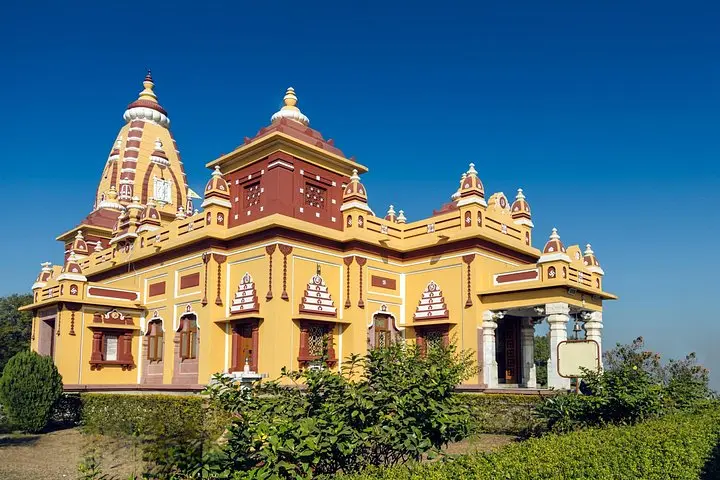
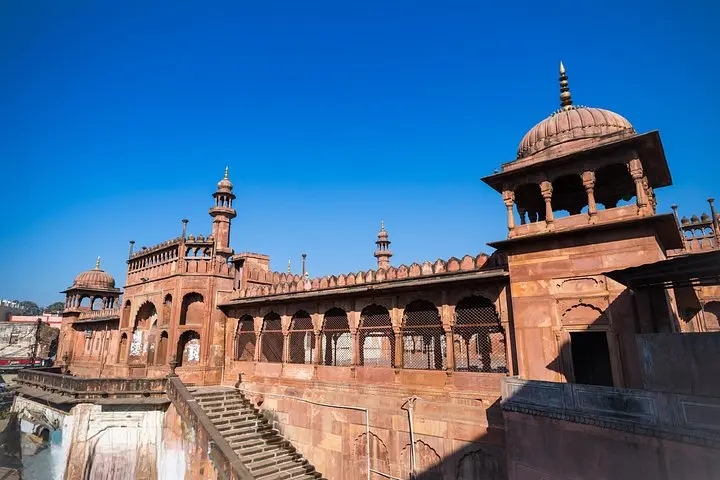
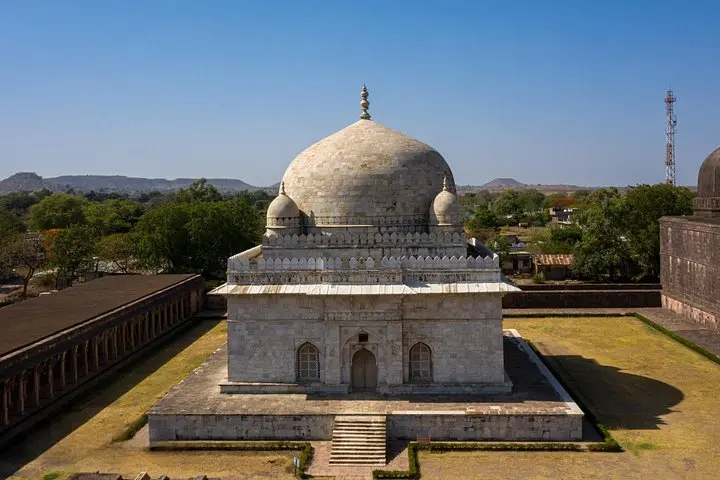
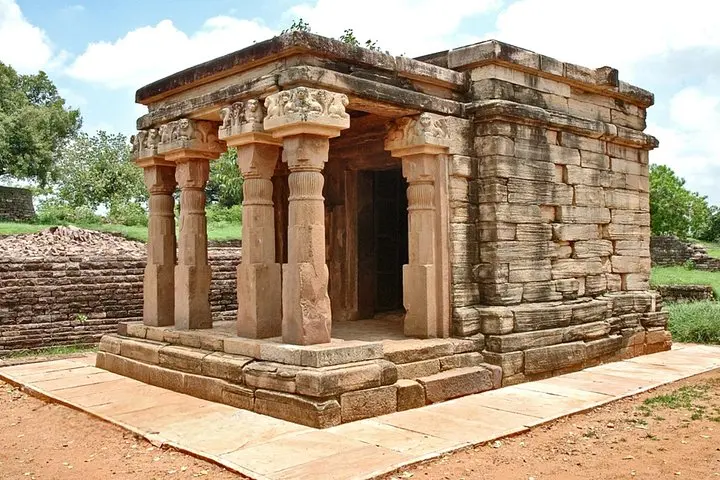
You step off the train in Bhopal as the city exhales—Upper Lake spread to the west, and the old city's lanes folding inward like a map of stories. Over seven days the route threads through Vindhya outcrops and fertile plains: Bhimbetka’s rock shelters where Stone Age paintings cling to ceilings, Sanchi’s hemispherical stupas rising from a wooded hill, the unfinished lingam at Bhojpur, and finally the Mughal stonework crescendo of Agra and Delhi.
You step off the train in Bhopal as the city exhales—Upper Lake spread to the west, and the old city's lanes folding inward like a map of stories. Over seven days the route threads through Vindhya outcrops and fertile plains: Bhimbetka’s rock shelters where Stone Age paintings cling to ceilings, Sanchi’s hemispherical stupas rising from a wooded hill, the unfinished lingam at Bhojpur, and finally the Mughal stonework crescendo of Agra and Delhi.
This itinerary stitches together layered histories—Paleolithic panels that predate recorded religion, Mauryan and Gupta-era Buddhist artistry at Sanchi (3rd century BCE onward), and Mughal-era tombs and forts from the 16th–17th centuries that redefined symmetry and stone in the subcontinent. Geologically, you travel from Vindhyan sandstone and granitic outcrops into the alluvial floodplain of the Yamuna; culturally you move from tribal and regional crafts to imperial courtly stonework.
Expect handled transfers by private AC vehicle, a Satabdi rail leg to Agra, guided visits at key monuments, and early-morning light for the Taj. Practicalities matter: carry a sun hat and reusable bottle, plan for dusty walkways and stairs at forts and caves, and allow time for security queues at UNESCO sites. Respect restricted areas at Bhimbetka—these paintings are fragile—and leave no trace at Bhoj Wetland, a Ramsar-listed bird habitat.
This tour is equal parts archaeology, architecture, and slow travel—best approached with curiosity, steady walking shoes, and daylight patience for the monuments that reward presence more than speed.