THE ADVENTURE COLLECTIVE® · Independent discovery and booking for outdoor travel

Spend a full day tracing Bhubaneswar’s carved history — from Lingaraj Temple and the cave monasteries to tribal crafts and a wildlife park. Practical tips on timing, dress, and what to expect make this compact cultural circuit easy to navigate.
Spend a full day tracing Bhubaneswar’s carved history — from Lingaraj Temple and the cave monasteries to tribal crafts and a wildlife park. Practical tips on timing, dress, and what to expect make this compact cultural circuit easy to navigate.
You step out of an air‑conditioned car into a city where stone speaks: spires rise like weathered words and a river of rickshaws threads through pockets of incense and chai. A full day here folds ancient temple courtyards, rock‑cut caves and a modern craft bazaar into a compact itinerary that moves from the hush of Lingaraj Temple to the open light of Khandagiri and Udayagiri, and finally to the green enclosures of Nandankanan.
Verified experiences and guided adventures in the surrounding area.
Operated by BARBIL TOURS · Bhubaneswar, Odisha
You step out of an air‑conditioned car into a city where stone speaks: spires rise like weathered words and a river of rickshaws threads through pockets of incense and chai. A full day here folds ancient temple courtyards, rock‑cut caves and a modern craft bazaar into a compact itinerary that moves from the hush of Lingaraj Temple to the open light of Khandagiri and Udayagiri, and finally to the green enclosures of Nandankanan.
The region around Bhubaneswar has been a political and religious center since the first millennium CE; Lingaraj’s main shrine dates to the 11th century while the caves at Udayagiri and Khandagiri preserve Jain monastic carvings from the 2nd century BCE to the early medieval period. Geological sandstone and laterite hills were cut into dwellings and reliefs, and later dynasties layered Orissan and Nagara styles into the city’s stonework.
Culturally, this is a place of daily devotion and living craft — Ekamra Haat collects contemporary tribal textiles and metalwork beside stalls serving local snacks. At Dhauli you can read Ashoka’s rock edicts and sense why the landscape mattered to rulers and monks alike.
Practicalities: expect a 10–12 hour private tour with an English/Hindi guide, covered transport, bottled water and lunch. Dress modestly for temple visits (shoulders and knees covered), wear comfortable shoes for uneven stone and short stair climbs, and carry sun protection. Start early to avoid heat and traffic; allow extra time for short walks between sites and small purchases at Ekamra Haat. This itinerary balances crowd‑aware timing with enough breathing room to notice carved details and the quieter moments between the city’s temple bells and market calls.
Not always — some attractions (zoo, museums) may charge separate admission; check the tour inclusions and carry cash or card for site fees.
Private tours typically include hotel pickup and drop‑off; specify pickup point and flight/arrival details when booking.
Many sites are stroller‑accessible for short sections, but expect stairs and uneven ground at caves and temple platforms—infant seats may be available in the vehicle.
Guides are generally English and Hindi speaking; request other languages at booking but availability may be limited.
BARBIL TOURS operates guided outdoor trips and adventures with an emphasis on safety, stewardship, and memorable experiences.

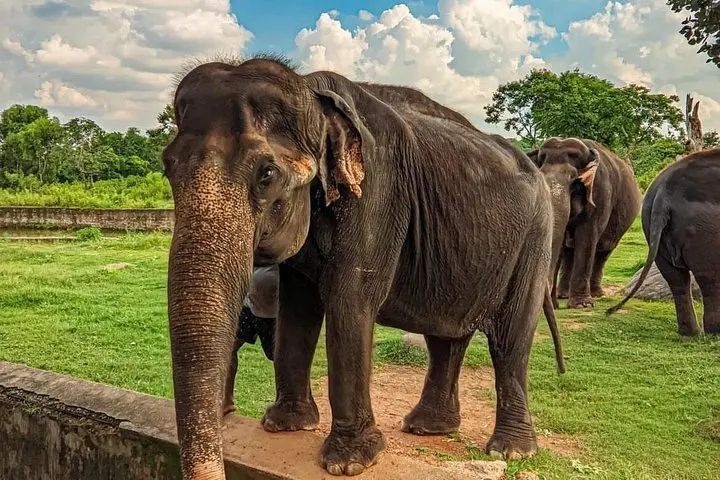
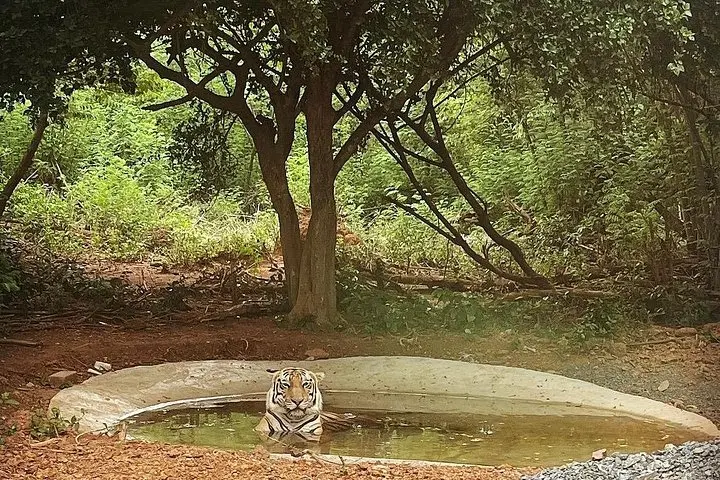
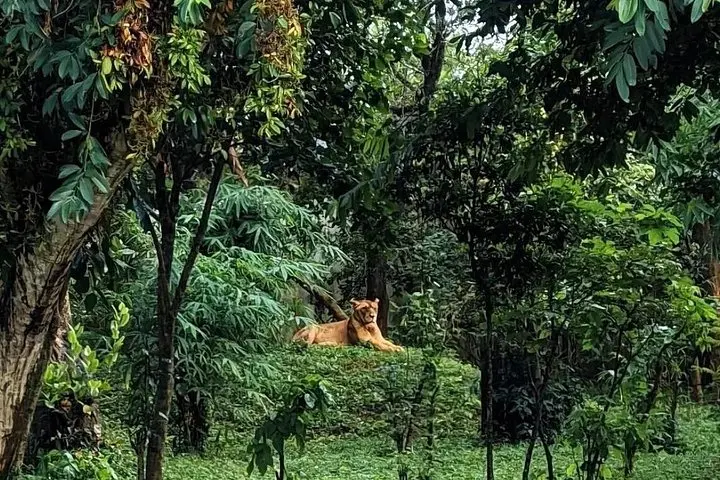
You step out of an air‑conditioned car into a city where stone speaks: spires rise like weathered words and a river of rickshaws threads through pockets of incense and chai. A full day here folds ancient temple courtyards, rock‑cut caves and a modern craft bazaar into a compact itinerary that moves from the hush of Lingaraj Temple to the open light of Khandagiri and Udayagiri, and finally to the green enclosures of Nandankanan.
You step out of an air‑conditioned car into a city where stone speaks: spires rise like weathered words and a river of rickshaws threads through pockets of incense and chai. A full day here folds ancient temple courtyards, rock‑cut caves and a modern craft bazaar into a compact itinerary that moves from the hush of Lingaraj Temple to the open light of Khandagiri and Udayagiri, and finally to the green enclosures of Nandankanan.
The region around Bhubaneswar has been a political and religious center since the first millennium CE; Lingaraj’s main shrine dates to the 11th century while the caves at Udayagiri and Khandagiri preserve Jain monastic carvings from the 2nd century BCE to the early medieval period. Geological sandstone and laterite hills were cut into dwellings and reliefs, and later dynasties layered Orissan and Nagara styles into the city’s stonework.
Culturally, this is a place of daily devotion and living craft — Ekamra Haat collects contemporary tribal textiles and metalwork beside stalls serving local snacks. At Dhauli you can read Ashoka’s rock edicts and sense why the landscape mattered to rulers and monks alike.
Practicalities: expect a 10–12 hour private tour with an English/Hindi guide, covered transport, bottled water and lunch. Dress modestly for temple visits (shoulders and knees covered), wear comfortable shoes for uneven stone and short stair climbs, and carry sun protection. Start early to avoid heat and traffic; allow extra time for short walks between sites and small purchases at Ekamra Haat. This itinerary balances crowd‑aware timing with enough breathing room to notice carved details and the quieter moments between the city’s temple bells and market calls.