THE ADVENTURE COLLECTIVE® · Independent discovery and booking for outdoor travel

A compact 5‑day circuit from Bhubaneswar links ancient temples with mangrove boat safaris and jeep safaris in Similipal. Expect crocodiles in creeks, birdwatching towers, and early‑morning drives through tiger country.
A compact 5‑day circuit from Bhubaneswar links ancient temples with mangrove boat safaris and jeep safaris in Similipal. Expect crocodiles in creeks, birdwatching towers, and early‑morning drives through tiger country.
Dawn across Odisha arrives like a slow page turn: temple spires catching the first light in Bhubaneswar, then long stretches of road unspooling toward mangrove creeks where crocodiles slip and birds choreograph the sky. This five‑day loop pairs the compact temple city of Bhubaneswar with two very different wild places—Bhitarkanika’s tidal labyrinth and Similipal’s dry, rocky forests—so expect alternating rhythms of quiet ruins and alert, animal‑filled silence.
Verified experiences and guided adventures in the surrounding area.
Operated by Agora Voyages Pvt. Ltd. · Bhubaneswar, Odisha
Dawn across Odisha arrives like a slow page turn: temple spires catching the first light in Bhubaneswar, then long stretches of road unspooling toward mangrove creeks where crocodiles slip and birds choreograph the sky. This five‑day loop pairs the compact temple city of Bhubaneswar with two very different wild places—Bhitarkanika’s tidal labyrinth and Similipal’s dry, rocky forests—so expect alternating rhythms of quiet ruins and alert, animal‑filled silence.
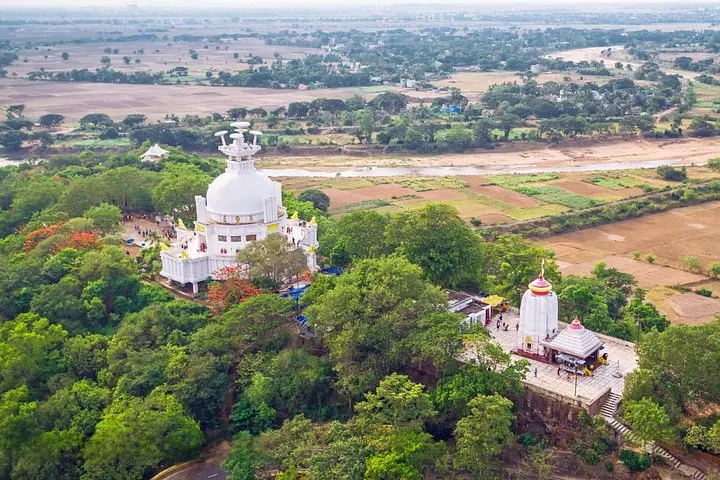
The route threads history and geology: 2nd‑century BCE rock‑cut caves at Khandagiri and Udayagiri, Ashoka’s peace edicts at Dhauli, and Buddhist stupas at Ratnagiri, Lalitgiri and Udayagiri record ancient Odisha’s layers. Bhitarkanika’s flat, silt‑rich estuary builds mangroves and tidal channels that harbor estuarine crocodiles; Similipal’s lateritic plateaus and red soil support sal and red silk cotton stands where tiger and gaur move through shaded gullies.
Local culture is tangible—temple rituals in Bhubaneswar, fishermen tending nets in mangrove villages, and forest department guides who read animal signs like a map. Conservation here balances community livelihoods with protected‑area rules: boat and jeep safaris run on regulated schedules and permit systems to reduce disturbance.
Practical guidance: plan early morning safaris for best sightings, carry sun protection and a good pair of binoculars, and be ready for long drives (approx. 200 km / ~4 hrs between major stops). Monsoon months bring high water levels—boats run differently—so check seasonal access. Bring insect repellent, lightweight breathable layers, and comfortable walking shoes for short hikes around ruins and forest tracks.
The itinerary includes one boat safari in Bhitarkanika and one jeep safari in Similipal; both operate with forest department naturalists and are subject to park permit conditions.
October to March offers cooler temperatures and clearer roads; monsoon (June–September) raises water levels and can alter boat routes and trail access.
Park entry and safari permits are arranged as part of the tour; standard travel vaccinations are recommended—consult your health provider for typhoid and routine shots.
The tour is family‑friendly for those comfortable with multi‑hour drives and basic jungle accommodation, but safari access and vehicle comfort vary—check with the operator about special assistance.
Agora Voyages Pvt. Ltd. operates guided outdoor trips and adventures with an emphasis on safety, stewardship, and memorable experiences.
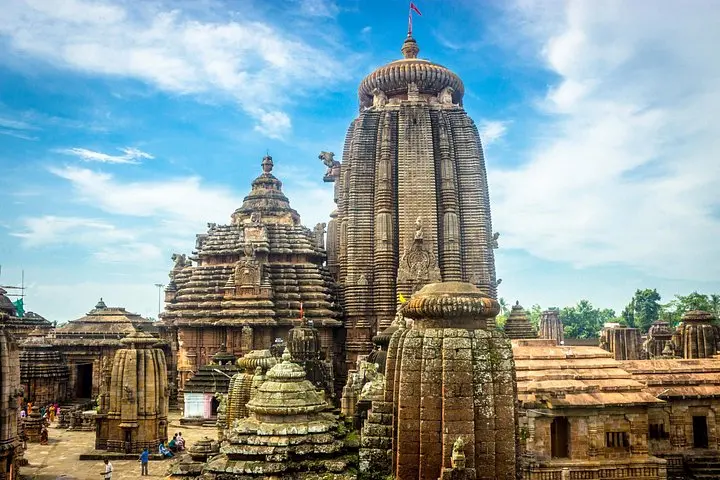
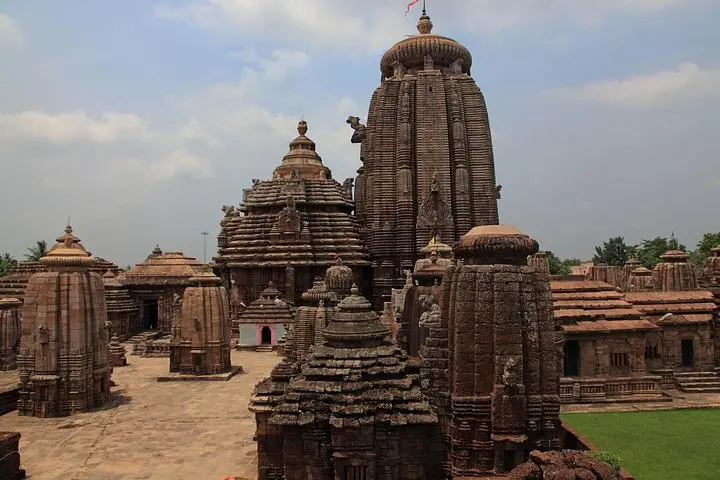
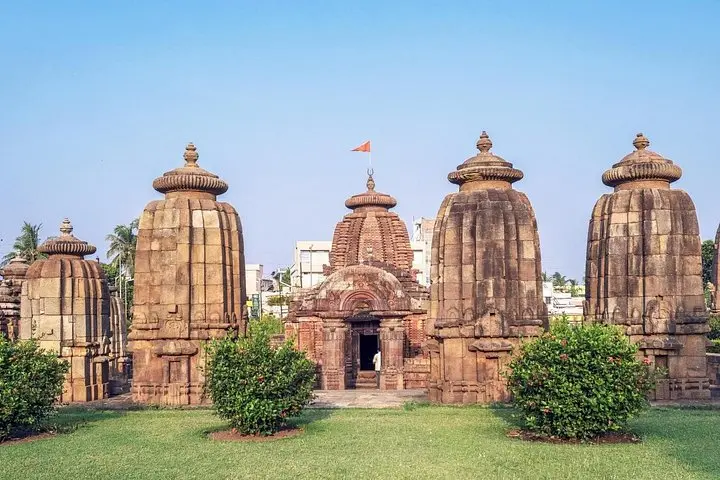
Dawn across Odisha arrives like a slow page turn: temple spires catching the first light in Bhubaneswar, then long stretches of road unspooling toward mangrove creeks where crocodiles slip and birds choreograph the sky. This five‑day loop pairs the compact temple city of Bhubaneswar with two very different wild places—Bhitarkanika’s tidal labyrinth and Similipal’s dry, rocky forests—so expect alternating rhythms of quiet ruins and alert, animal‑filled silence.
Dawn across Odisha arrives like a slow page turn: temple spires catching the first light in Bhubaneswar, then long stretches of road unspooling toward mangrove creeks where crocodiles slip and birds choreograph the sky. This five‑day loop pairs the compact temple city of Bhubaneswar with two very different wild places—Bhitarkanika’s tidal labyrinth and Similipal’s dry, rocky forests—so expect alternating rhythms of quiet ruins and alert, animal‑filled silence.
The route threads history and geology: 2nd‑century BCE rock‑cut caves at Khandagiri and Udayagiri, Ashoka’s peace edicts at Dhauli, and Buddhist stupas at Ratnagiri, Lalitgiri and Udayagiri record ancient Odisha’s layers. Bhitarkanika’s flat, silt‑rich estuary builds mangroves and tidal channels that harbor estuarine crocodiles; Similipal’s lateritic plateaus and red soil support sal and red silk cotton stands where tiger and gaur move through shaded gullies.
Local culture is tangible—temple rituals in Bhubaneswar, fishermen tending nets in mangrove villages, and forest department guides who read animal signs like a map. Conservation here balances community livelihoods with protected‑area rules: boat and jeep safaris run on regulated schedules and permit systems to reduce disturbance.
Practical guidance: plan early morning safaris for best sightings, carry sun protection and a good pair of binoculars, and be ready for long drives (approx. 200 km / ~4 hrs between major stops). Monsoon months bring high water levels—boats run differently—so check seasonal access. Bring insect repellent, lightweight breathable layers, and comfortable walking shoes for short hikes around ruins and forest tracks.