THE ADVENTURE COLLECTIVE® · Independent discovery and booking for outdoor travel

A seven-day corridor from Bhubaneswar to Kolkata that pairs temple heritage with mangrove boat safaris and jeep safaris in Similipal. Expect long drives, early-morning wildlife outings, and rich cultural stops along the way.
A seven-day corridor from Bhubaneswar to Kolkata that pairs temple heritage with mangrove boat safaris and jeep safaris in Similipal. Expect long drives, early-morning wildlife outings, and rich cultural stops along the way.
You push open a creaking boat gate and the mangrove channels of Bhitarkanika pull you inward, water brushing the hull like a curious hand. Kingfishers flash, crocodiles watch from shadowed roots, and the air smells of salt and river-silt — a living, breathing border between land and sea.
Verified experiences and guided adventures in the surrounding area.
Operated by Agora Voyages Pvt. Ltd. · Bhubaneswar, Odisha
You push open a creaking boat gate and the mangrove channels of Bhitarkanika pull you inward, water brushing the hull like a curious hand. Kingfishers flash, crocodiles watch from shadowed roots, and the air smells of salt and river-silt — a living, breathing border between land and sea.
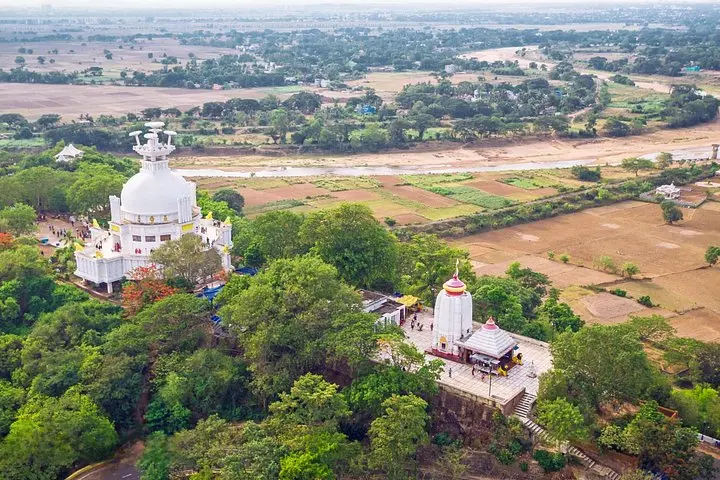
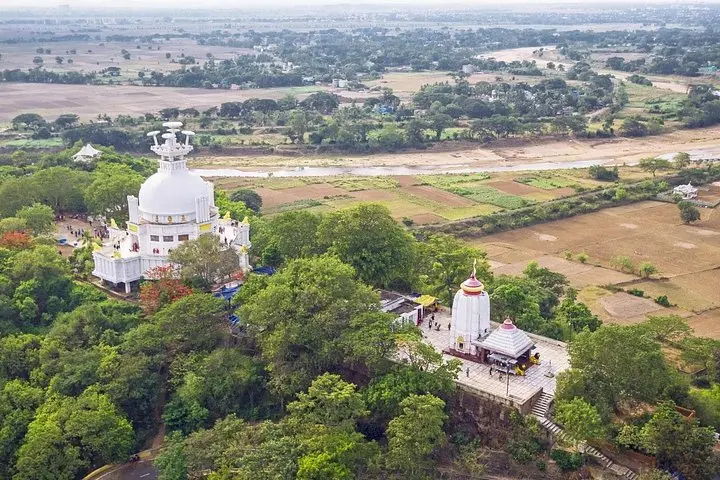
This seven-day route threads two very different Odisha ecosystems into a single arc: Bhubaneswar’s ancient temple precincts and Buddhist sites give way to the estuarine labyrinth of Bhitarkanika, then climb inland to the sandstone ridges and sal forests of Similipal Tiger Reserve before the cultural roar of Kolkata.
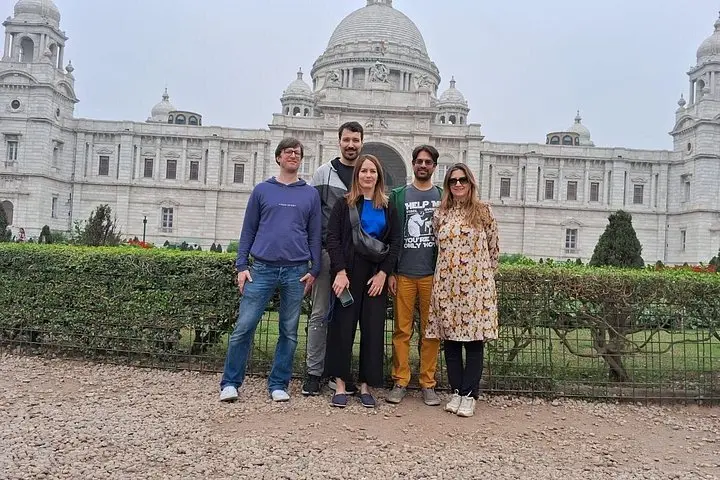
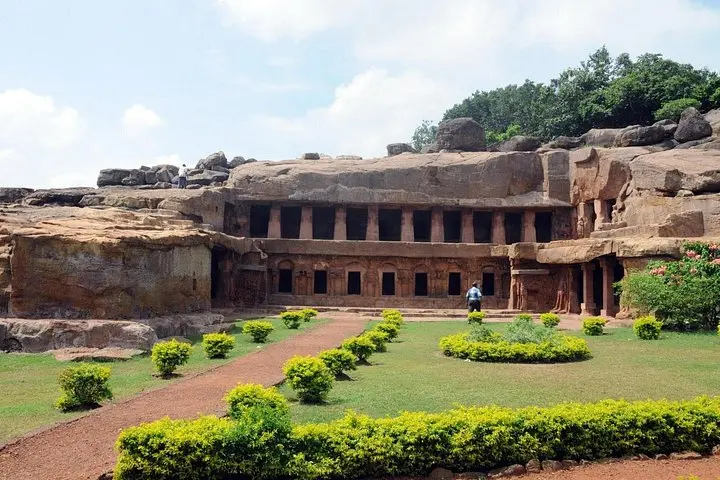
Geology here is active memory — the tidal plains that built Bhitarkanika, the lateritic plateaus and valleys that shape Similipal, and river systems that feed both. Culturally, the region mixes classical Odia Hindu temple art, millennia-old Buddhist monasteries at Ratnagiri/Udaigiri/Lalitgiri, and colonial-era Kolkata monuments.
On safari you’ll encounter estuarine crocodiles, olive ridley turtle nesting beaches (seasonal), and a chance — though never guaranteed — of spotting a tiger or elephant in Similipal; forests are patient and never predictable.
Practical guidance: plan early-morning safaris for best light and animal activity, pack insect protection and quick-dry layers, and expect long drives between sites (200–300 km stretches). Respect temple rules (only Hindus may enter inner sanctums), follow ranger instructions on jeep and boat safaris, and prioritize local guides — their knowledge shapes the sightings.
This itinerary balances quiet wilderness nights in jungle cottages with cultural mornings in cities — a travel rhythm that asks you to slow down, listen, and move deliberately through very different Odia landscapes.
Tigers are present but elusive; jeep safaris increase chances and a forest naturalist’s presence helps—sightings are not guaranteed.
Yes when run by authorized operators with life jackets and naturalists; follow crew instructions and avoid leaning over the hull.
Park entry and safari fees are usually included or arranged by the operator, but bring ID and expect ranger checks at gates and checkpoints.
Generally yes—accommodations are basic to mid-range jungle cottages, drives can be long, and early starts are required; notify operator of mobility needs.
Agora Voyages Pvt. Ltd. operates guided outdoor trips and adventures with an emphasis on safety, stewardship, and memorable experiences.
You push open a creaking boat gate and the mangrove channels of Bhitarkanika pull you inward, water brushing the hull like a curious hand. Kingfishers flash, crocodiles watch from shadowed roots, and the air smells of salt and river-silt — a living, breathing border between land and sea.
You push open a creaking boat gate and the mangrove channels of Bhitarkanika pull you inward, water brushing the hull like a curious hand. Kingfishers flash, crocodiles watch from shadowed roots, and the air smells of salt and river-silt — a living, breathing border between land and sea.
This seven-day route threads two very different Odisha ecosystems into a single arc: Bhubaneswar’s ancient temple precincts and Buddhist sites give way to the estuarine labyrinth of Bhitarkanika, then climb inland to the sandstone ridges and sal forests of Similipal Tiger Reserve before the cultural roar of Kolkata.
Geology here is active memory — the tidal plains that built Bhitarkanika, the lateritic plateaus and valleys that shape Similipal, and river systems that feed both. Culturally, the region mixes classical Odia Hindu temple art, millennia-old Buddhist monasteries at Ratnagiri/Udaigiri/Lalitgiri, and colonial-era Kolkata monuments.
On safari you’ll encounter estuarine crocodiles, olive ridley turtle nesting beaches (seasonal), and a chance — though never guaranteed — of spotting a tiger or elephant in Similipal; forests are patient and never predictable.
Practical guidance: plan early-morning safaris for best light and animal activity, pack insect protection and quick-dry layers, and expect long drives between sites (200–300 km stretches). Respect temple rules (only Hindus may enter inner sanctums), follow ranger instructions on jeep and boat safaris, and prioritize local guides — their knowledge shapes the sightings.
This itinerary balances quiet wilderness nights in jungle cottages with cultural mornings in cities — a travel rhythm that asks you to slow down, listen, and move deliberately through very different Odia landscapes.