THE ADVENTURE COLLECTIVE® · Independent discovery and booking for outdoor travel
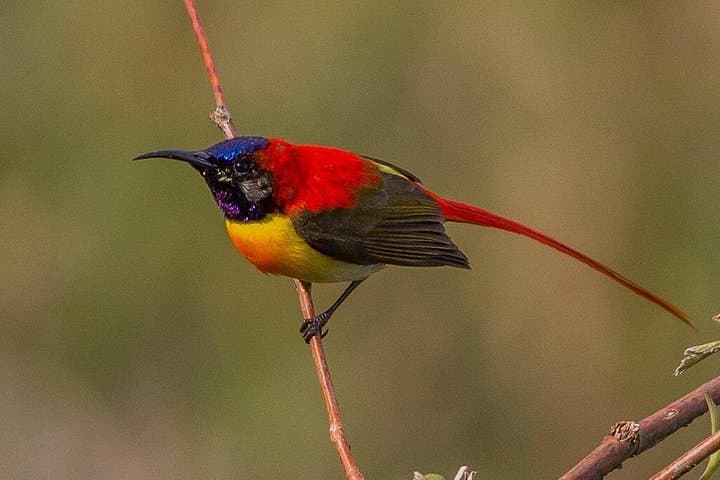
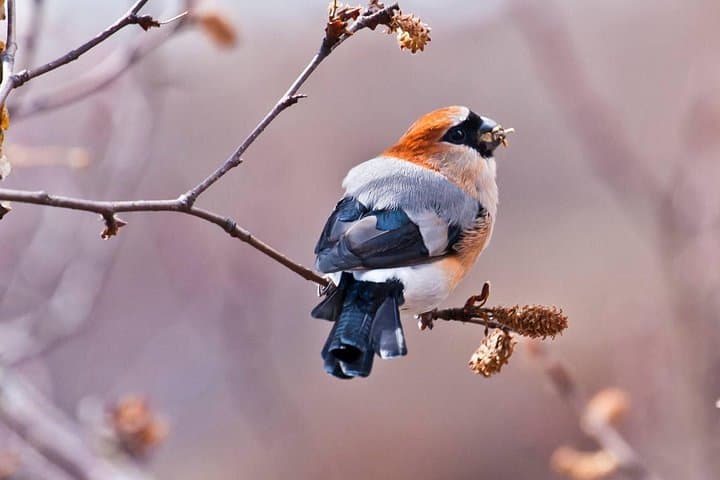
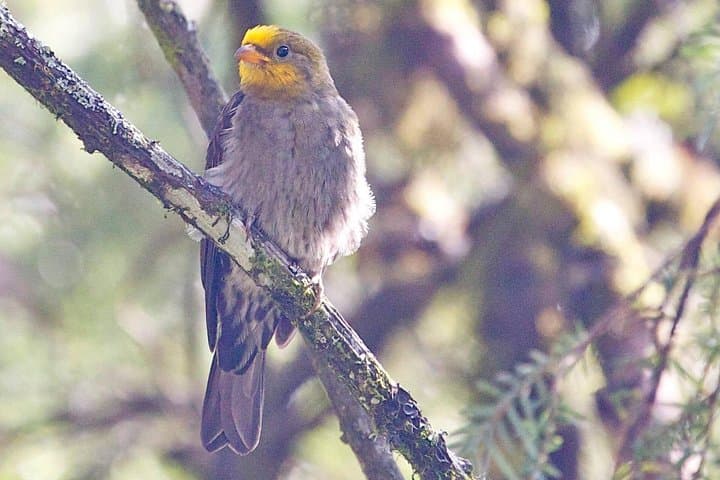
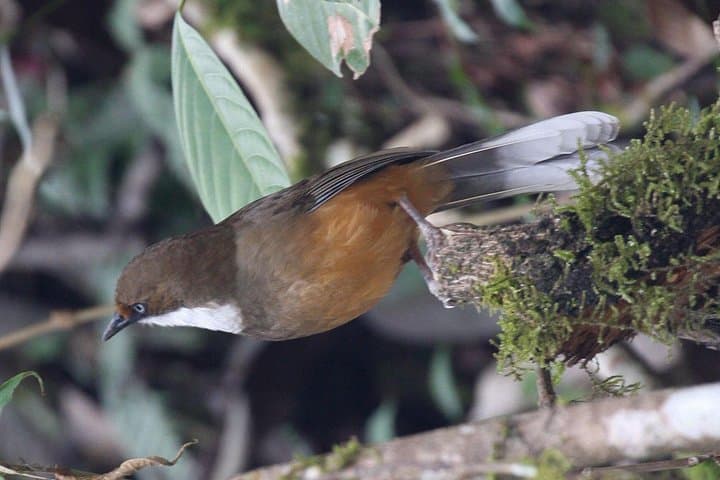
A 16-day guided circuit through Bhutan’s valleys and passes for serious birders. Expect long days of roadside stakeouts, forest walks and rare species like black-necked cranes and white-bellied herons.
A 16-day guided circuit through Bhutan’s valleys and passes for serious birders. Expect long days of roadside stakeouts, forest walks and rare species like black-necked cranes and white-bellied herons.
Standing on a high pass as clouds thin, you hear the valley wake: a whistle from an unseen thrush, the rattling call of a hornbill, river channels nudging downstream. This is Bhutan — steep ridgelines, terraced fields and pocket forests where birds stake out niches from 400 m lowlands to 3,150 m passes.
Verified experiences and guided adventures in the surrounding area.
Operated by Bhutan Maitreya Tusita Travel · Thimphu, Thimphu
Standing on a high pass as clouds thin, you hear the valley wake: a whistle from an unseen thrush, the rattling call of a hornbill, river channels nudging downstream. This is Bhutan — steep ridgelines, terraced fields and pocket forests where birds stake out niches from 400 m lowlands to 3,150 m passes.
The route threads through Thimphu, Punakha, Tsirang, Zhemgang, Trongsa, Bumthang and Phobjikha, a cross-section of Himalayan geology and cultural life. Dzongs and monasteries mark human history; ancient trade routes cut through rhododendron and fir. Many species here are globally rare — black-necked cranes arrive in winter, white-bellied herons haunt lowland rivers — and local communities protect roosts as part of living spiritual practice.
Expect long days of guided watching, roadside stakeouts and short walks into riparian forest and alpine meadows. Guides read the landscape — where a creek widens, ducks and waders gather; where oak meets pine, warblers move like a current. Logistics include multi-day vehicle transfers, several nights camping and stays in basic three-star lodges; altitude and rugged roads require good fitness and patience.
Practical tips: travel light optics, layer for wide temperature swings, and time field sessions for dawn and late afternoon when birds are most active. Carry cash for rural stops, pack a rain shell and prioritize comfortable, broken-in trekking shoes. Respect sacred sites, follow guides’ instructions near sensitive roosts, and minimize playback use. This is a purposeful expedition for committed birders who want to chart Bhutan’s living corridors across seasons.
Most travelers to Bhutan require a visa and must book through a licensed operator; the tour operator typically handles permits and the daily sustainable tourism fee.
Black-necked cranes usually winter in Phobjikha Valley from late October through February, with peak visibility in December–January.
Daily birding ranges from gentle riparian walks to several hours in the field; overall the trip is physically demanding due to long drives and varying altitude.
Standard travel vaccinations are recommended; carry medication for altitude sickness and discuss any health concerns with the operator before booking.
Bhutan Maitreya Tusita Travel operates guided outdoor trips and adventures with an emphasis on safety, stewardship, and memorable experiences.
Standing on a high pass as clouds thin, you hear the valley wake: a whistle from an unseen thrush, the rattling call of a hornbill, river channels nudging downstream. This is Bhutan — steep ridgelines, terraced fields and pocket forests where birds stake out niches from 400 m lowlands to 3,150 m passes.
Standing on a high pass as clouds thin, you hear the valley wake: a whistle from an unseen thrush, the rattling call of a hornbill, river channels nudging downstream. This is Bhutan — steep ridgelines, terraced fields and pocket forests where birds stake out niches from 400 m lowlands to 3,150 m passes.
The route threads through Thimphu, Punakha, Tsirang, Zhemgang, Trongsa, Bumthang and Phobjikha, a cross-section of Himalayan geology and cultural life. Dzongs and monasteries mark human history; ancient trade routes cut through rhododendron and fir. Many species here are globally rare — black-necked cranes arrive in winter, white-bellied herons haunt lowland rivers — and local communities protect roosts as part of living spiritual practice.
Expect long days of guided watching, roadside stakeouts and short walks into riparian forest and alpine meadows. Guides read the landscape — where a creek widens, ducks and waders gather; where oak meets pine, warblers move like a current. Logistics include multi-day vehicle transfers, several nights camping and stays in basic three-star lodges; altitude and rugged roads require good fitness and patience.
Practical tips: travel light optics, layer for wide temperature swings, and time field sessions for dawn and late afternoon when birds are most active. Carry cash for rural stops, pack a rain shell and prioritize comfortable, broken-in trekking shoes. Respect sacred sites, follow guides’ instructions near sensitive roosts, and minimize playback use. This is a purposeful expedition for committed birders who want to chart Bhutan’s living corridors across seasons.
