THE ADVENTURE COLLECTIVE® · Independent discovery and booking for outdoor travel

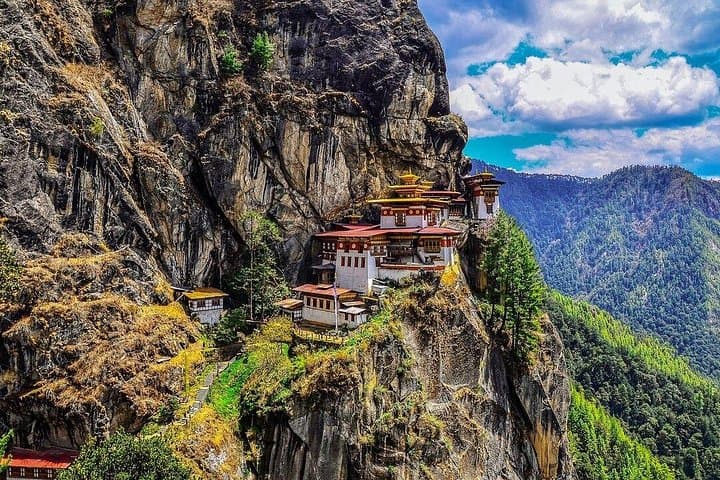
A nine-day circuit through Bhutan that combines Thimphu’s cultural highlights, the glacial quiet of Phobjikha Valley and a hike up to Taktsang (Tiger’s Nest). Expect dzongs, cranes, mountain passes and hands-on cultural encounters.
A nine-day circuit through Bhutan that combines Thimphu’s cultural highlights, the glacial quiet of Phobjikha Valley and a hike up to Taktsang (Tiger’s Nest). Expect dzongs, cranes, mountain passes and hands-on cultural encounters.
A cold mountain wind pushes at your jacket as the bus rounds Dochula Pass and the 108 chortens appear like a composed row of sentries against the Himalayan skyline. From the window the valley opens—rice terraces, river confluences, and clusters of whitewashed dzongs—each structure holding a history that shapes daily life here.
Verified experiences and guided adventures in the surrounding area.
Operated by Thunphel Bhutan Travel · Paro, Paro District
A cold mountain wind pushes at your jacket as the bus rounds Dochula Pass and the 108 chortens appear like a composed row of sentries against the Himalayan skyline. From the window the valley opens—rice terraces, river confluences, and clusters of whitewashed dzongs—each structure holding a history that shapes daily life here.
This nine-day itinerary threads Bhutan’s cultural high points with modest walks and one full-day hike to Taktsang (Tiger’s Nest). Thimphu’s Memorial Chorten and the Buddha Dordenma introduce the kingdom’s modern-religious balance; Punakha Dzong sits where two rivers flirt and the fortress’s wooden cantilevers speak to 17th-century engineering. Phobjikha Valley is a glacial basin of black-necked cranes in winter and peat-hued meadows otherwise—Gangtey Monastery anchors the valley’s spiritual rhythm.
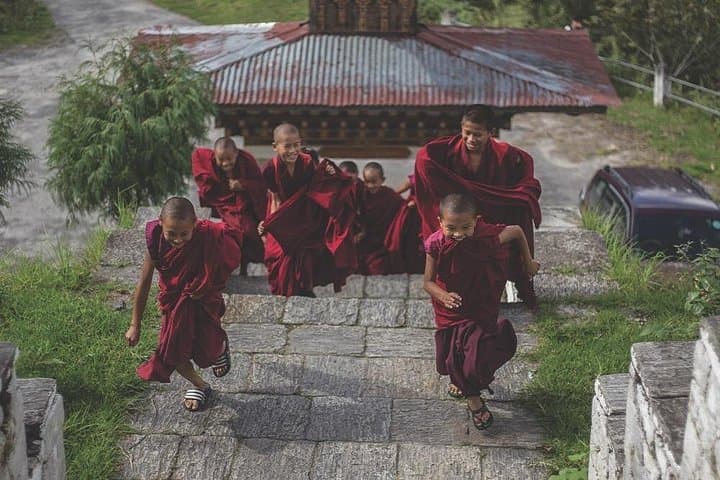
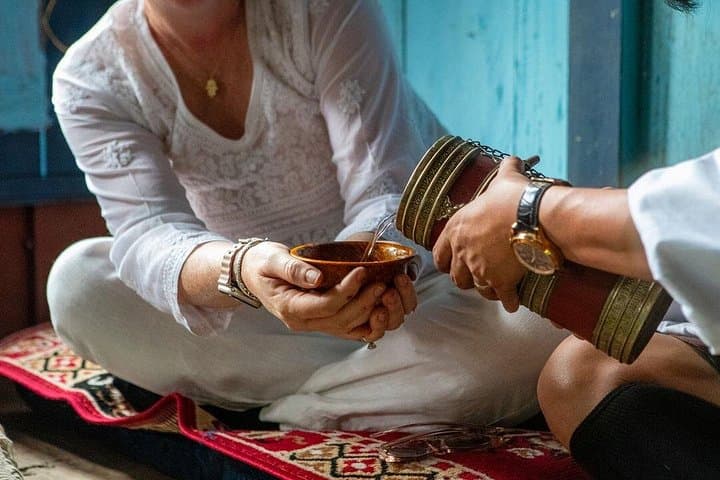
Geologically the route crosses uplifted Himalayan foothills and glacially carved valleys; views change from rhododendron forests at mid-elevation to open alpine bowls around high passes. Local crafts, markets and village visits offer direct cultural exchange—artisans, archery practice and monastery life are central to the experience.
Practical guidance: travel by private vehicle between towns with short walking excursions most days; expect one strenuous ascent to Taktsang (3–5 hours round trip depending on pace). Pack layered clothing for sharp diurnal swings, sturdy trail footwear for uneven paths and a basic first-aid kit for altitude-related headaches. Respect local customs: remove shoes in temples and accept photography requests politely. Morning starts avoid afternoon clouds and give clearer views. With a mix of cultural immersion and active days, the trip suits travelers who want both context and foothill adventure.
Most visitors require a visa and a licensed tour operator to arrange an entry permit; check current visa rules before booking and ensure your operator handles permits.
The hike is steep in sections and involves several stone staircases; allow 3–5 hours round trip depending on pace and take breaks at the tea houses.
Black-necked Cranes winter in Phobjikha from late October to February, with peak visibility in December and January during the quiet winter season.
This itinerary lists breakfast, lunch and dinner for most days and 3-star local hotels; confirm any dietary needs with the operator ahead of travel.
Thunphel Bhutan Travel operates guided outdoor trips and adventures with an emphasis on safety, stewardship, and memorable experiences.

A cold mountain wind pushes at your jacket as the bus rounds Dochula Pass and the 108 chortens appear like a composed row of sentries against the Himalayan skyline. From the window the valley opens—rice terraces, river confluences, and clusters of whitewashed dzongs—each structure holding a history that shapes daily life here.
A cold mountain wind pushes at your jacket as the bus rounds Dochula Pass and the 108 chortens appear like a composed row of sentries against the Himalayan skyline. From the window the valley opens—rice terraces, river confluences, and clusters of whitewashed dzongs—each structure holding a history that shapes daily life here.
This nine-day itinerary threads Bhutan’s cultural high points with modest walks and one full-day hike to Taktsang (Tiger’s Nest). Thimphu’s Memorial Chorten and the Buddha Dordenma introduce the kingdom’s modern-religious balance; Punakha Dzong sits where two rivers flirt and the fortress’s wooden cantilevers speak to 17th-century engineering. Phobjikha Valley is a glacial basin of black-necked cranes in winter and peat-hued meadows otherwise—Gangtey Monastery anchors the valley’s spiritual rhythm.
Geologically the route crosses uplifted Himalayan foothills and glacially carved valleys; views change from rhododendron forests at mid-elevation to open alpine bowls around high passes. Local crafts, markets and village visits offer direct cultural exchange—artisans, archery practice and monastery life are central to the experience.
Practical guidance: travel by private vehicle between towns with short walking excursions most days; expect one strenuous ascent to Taktsang (3–5 hours round trip depending on pace). Pack layered clothing for sharp diurnal swings, sturdy trail footwear for uneven paths and a basic first-aid kit for altitude-related headaches. Respect local customs: remove shoes in temples and accept photography requests politely. Morning starts avoid afternoon clouds and give clearer views. With a mix of cultural immersion and active days, the trip suits travelers who want both context and foothill adventure.