THE ADVENTURE COLLECTIVE® · Independent discovery and booking for outdoor travel

A six-day loop through Paro, Thimphu and Punakha that mixes high-mountain views, centuries-old dzongs and the famous Tiger’s Nest hike. Expect steep trails, mountain drives, and immersive cultural stops with practical pacing for altitude.
A six-day loop through Paro, Thimphu and Punakha that mixes high-mountain views, centuries-old dzongs and the famous Tiger’s Nest hike. Expect steep trails, mountain drives, and immersive cultural stops with practical pacing for altitude.
Morning light slices the Paro Valley as a small convoy threads between rice terraces and pine-clad slopes. Travelers step out at a monastery ridge where prayer flags snap like wind-pressed banners, and the air tastes faintly of butter tea and incense.
Verified experiences and guided adventures in the surrounding area.
Operated by Alpha & Omega Gateway · Thimphu, Thimphu District
Morning light slices the Paro Valley as a small convoy threads between rice terraces and pine-clad slopes. Travelers step out at a monastery ridge where prayer flags snap like wind-pressed banners, and the air tastes faintly of butter tea and incense.
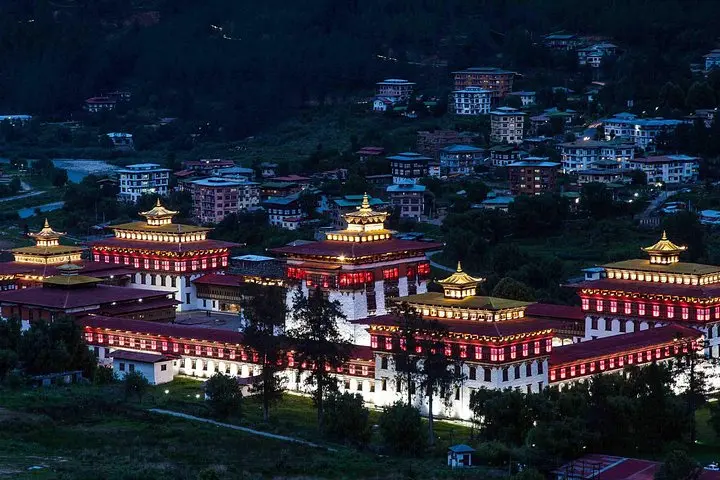
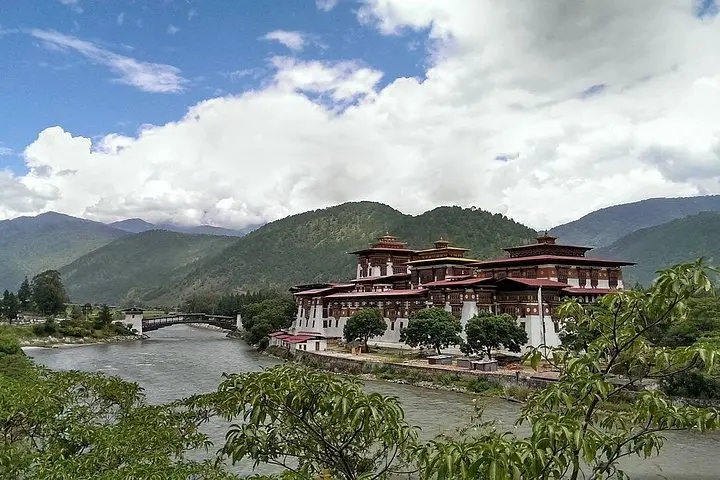
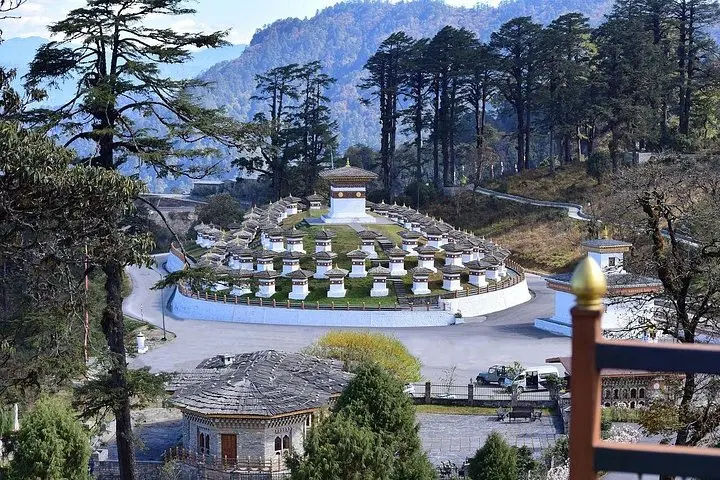
This six-day circuit moves from Paro’s deep valley to Thimphu’s administrative heart and down to the river-cut panorama of Punakha. The route traces Bhutan’s living history: dzongs—fortress-monasteries built from the 17th century under Zhabdrung Ngawang Namgyal—stand guard over river confluences while chortens and prayer wheels mark the landscape’s spiritual grid. Geologically, the trip crosses foothills of the eastern Himalaya, rising to the Dochula Pass at ~3,100 m where glacial-fed ridgelines frame the distant summits.
Cultural rhythms are intact: daily kora, school ateliers preserving Zorig Chusum arts, and local markets where handicrafts and ara trade hands. Nature is active here—the takin parks and forest trails hum with mountain birds and seasonal blooms.
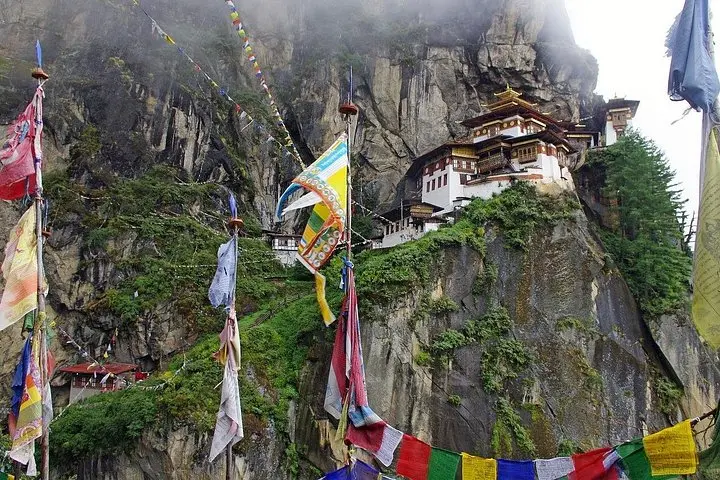
Practical guidance: acclimatize slowly—Paro and Thimphu sit above 2,200 m and Dochula surges to 3,100 m. Expect several 1–3 hour drives on mountain roads; flexible timing makes room for temple visits and photo stops. The Taktsang (Tiger’s Nest) hike from Paro is a steep 3–4 hour roundtrip with roughly 800–900 m of ascent; good boots, layered insulation, water, and steady pacing matter. Pack a daypack, allow extra time for sunlight changes, and respect monastery protocols—modest clothing, quiet photography, and shoes removed where required. With clear skies the views reward steady effort: temples cling to cliffs, rivers dare the valley floor, and the kingdom’s careful tourism policies mean quieter trails and meaningful encounters.
Most visitors require a visa arranged by the tour operator; your operator will manage the permit and the Sustainable Development Fee included in many packages.
Expect a steep 3–4 hour roundtrip with about 800–900 m ascent; it's strenuous but non-technical—good fitness and steady pacing are needed.
The ngultrum (BTN) is used; Indian rupees are accepted in many places. Tipping is discretionary but appreciated for guides and drivers—small cash tips in local currency are common.
Altitude sickness can affect visitors; acclimatize, drink water, avoid alcohol on arrival, and notify guides if symptoms develop—professional care may be needed for severe cases.
Alpha & Omega Gateway operates guided outdoor trips and adventures with an emphasis on safety, stewardship, and memorable experiences.
Morning light slices the Paro Valley as a small convoy threads between rice terraces and pine-clad slopes. Travelers step out at a monastery ridge where prayer flags snap like wind-pressed banners, and the air tastes faintly of butter tea and incense.
Morning light slices the Paro Valley as a small convoy threads between rice terraces and pine-clad slopes. Travelers step out at a monastery ridge where prayer flags snap like wind-pressed banners, and the air tastes faintly of butter tea and incense.
This six-day circuit moves from Paro’s deep valley to Thimphu’s administrative heart and down to the river-cut panorama of Punakha. The route traces Bhutan’s living history: dzongs—fortress-monasteries built from the 17th century under Zhabdrung Ngawang Namgyal—stand guard over river confluences while chortens and prayer wheels mark the landscape’s spiritual grid. Geologically, the trip crosses foothills of the eastern Himalaya, rising to the Dochula Pass at ~3,100 m where glacial-fed ridgelines frame the distant summits.
Cultural rhythms are intact: daily kora, school ateliers preserving Zorig Chusum arts, and local markets where handicrafts and ara trade hands. Nature is active here—the takin parks and forest trails hum with mountain birds and seasonal blooms.
Practical guidance: acclimatize slowly—Paro and Thimphu sit above 2,200 m and Dochula surges to 3,100 m. Expect several 1–3 hour drives on mountain roads; flexible timing makes room for temple visits and photo stops. The Taktsang (Tiger’s Nest) hike from Paro is a steep 3–4 hour roundtrip with roughly 800–900 m of ascent; good boots, layered insulation, water, and steady pacing matter. Pack a daypack, allow extra time for sunlight changes, and respect monastery protocols—modest clothing, quiet photography, and shoes removed where required. With clear skies the views reward steady effort: temples cling to cliffs, rivers dare the valley floor, and the kingdom’s careful tourism policies mean quieter trails and meaningful encounters.