THE ADVENTURE COLLECTIVE® · Independent discovery and booking for outdoor travel

A seven-day blend of highland drives, sacred dzongs and the cliffside Taktsang hike—this Bhutan honeymoon tour pairs cultural immersion with short, scenic treks. Expect mountain passes, rice terraces and the quiet ritual life of Himalayan monasteries.
A seven-day blend of highland drives, sacred dzongs and the cliffside Taktsang hike—this Bhutan honeymoon tour pairs cultural immersion with short, scenic treks. Expect mountain passes, rice terraces and the quiet ritual life of Himalayan monasteries.
You arrive over a narrow valley where prayer flags flare in the wind and the air smells of pine and wood smoke. A winding drive carries you from Thimphu’s wide, quiet streets into high passes and rice-terraced valleys, and the first evening finds you watching the light slide off Paro Rinpung Dzong.
Verified experiences and guided adventures in the surrounding area.
Operated by Bhutan Best InBound Tour · Paro, Paro District
You arrive over a narrow valley where prayer flags flare in the wind and the air smells of pine and wood smoke. A winding drive carries you from Thimphu’s wide, quiet streets into high passes and rice-terraced valleys, and the first evening finds you watching the light slide off Paro Rinpung Dzong.
This seven-day itinerary stitches together Bhutan’s cultural high points—dzongs, chortens and living monasteries—with carved landscapes: Dochu La pass (3,088 m) offers Himalayan views when skies clear, Punakha sits where two rivers meet, and the Phobjikha (Gangtey) valley is a bowl of grasslands that hosts black-necked cranes in winter. Geologically the country is young: steep, folded ranges carved by tectonic uplift, which produces sudden elevation shifts and short, intense hikes.
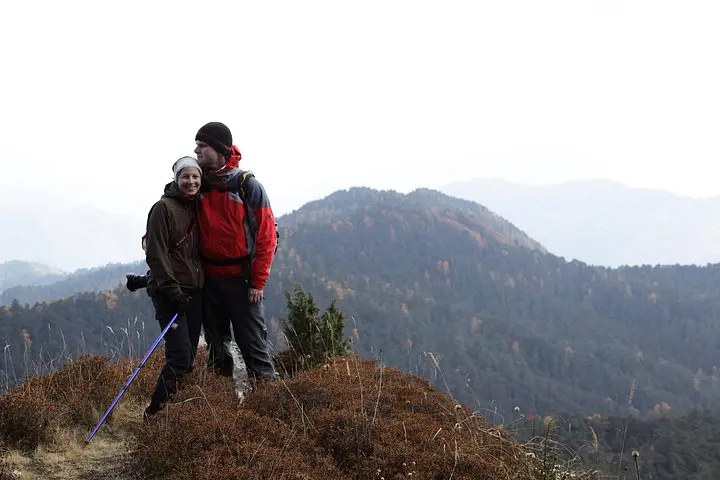
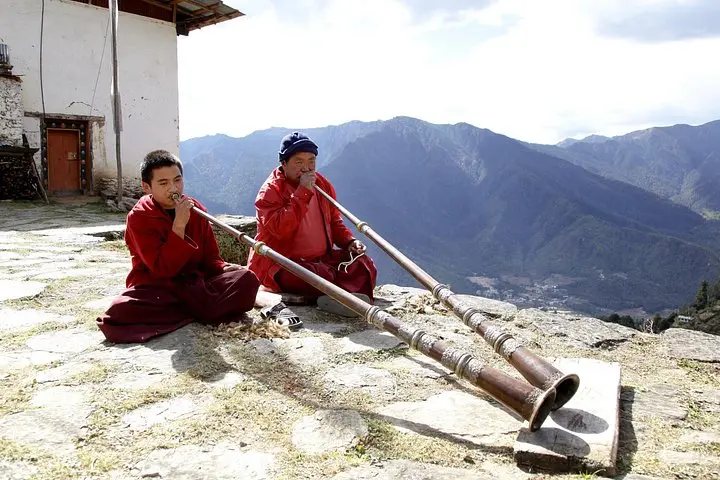
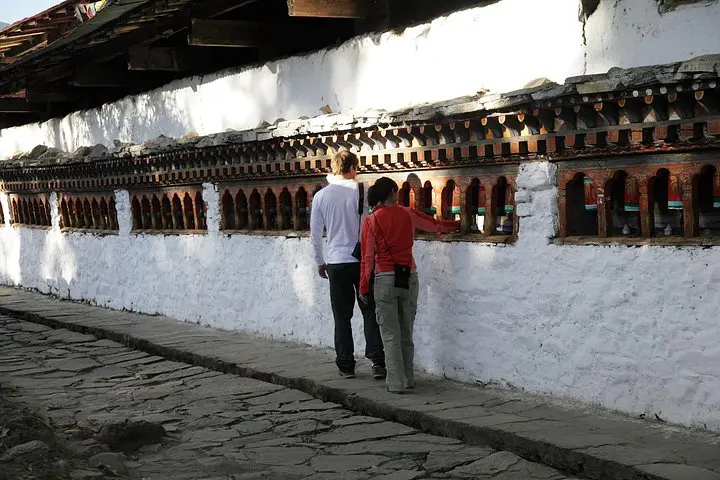
Culturally the trip moves at Bhutan’s pace: ceremonial flag rituals, butter lamp offerings and a chance to don a kira or gho. The iconic Taktsang (Tiger’s Nest) hike follows a rocky ridge to a cliffside monastery—expect 4–6 hours round-trip with strenuous sections and rewarded views.
Practical notes: Bhutan requires a visa and the national Sustainable Development Fee (roughly USD 100/night) is part of entry formalities—confirm whether it’s handled by your operator. Pack layers, sturdy hiking shoes, and a daypack with water and snacks. Start hikes early for light and clearer skies, and allow time to acclimatize between 2,200–3,100 m stops. Modest clothing is required inside religious sites and cash (Ngultrum) is useful in smaller towns. This itinerary balances slow cultural immersion with short, scenic hikes—ideal for couples who want both ceremony and scenery.
Yes—most visitors must have a visa arranged in advance through an authorized tour operator; the tour operator typically helps with paperwork.
Bhutan charges a per-night Sustainable Development Fee (around USD 100/night for most visitors) to support conservation and cultural preservation—confirm whether your package includes it.
Expect 4–6 hours round-trip with steep, rocky sections and altitude; moderate fitness and proper footwear are required.
The cranes overwinter in Phobjikha (Gangtey) valley roughly from early November through late March—visit in winter for the best chance to observe them.
Bhutan Best InBound Tour operates guided outdoor trips and adventures with an emphasis on safety, stewardship, and memorable experiences.
You arrive over a narrow valley where prayer flags flare in the wind and the air smells of pine and wood smoke. A winding drive carries you from Thimphu’s wide, quiet streets into high passes and rice-terraced valleys, and the first evening finds you watching the light slide off Paro Rinpung Dzong.
You arrive over a narrow valley where prayer flags flare in the wind and the air smells of pine and wood smoke. A winding drive carries you from Thimphu’s wide, quiet streets into high passes and rice-terraced valleys, and the first evening finds you watching the light slide off Paro Rinpung Dzong.
This seven-day itinerary stitches together Bhutan’s cultural high points—dzongs, chortens and living monasteries—with carved landscapes: Dochu La pass (3,088 m) offers Himalayan views when skies clear, Punakha sits where two rivers meet, and the Phobjikha (Gangtey) valley is a bowl of grasslands that hosts black-necked cranes in winter. Geologically the country is young: steep, folded ranges carved by tectonic uplift, which produces sudden elevation shifts and short, intense hikes.
Culturally the trip moves at Bhutan’s pace: ceremonial flag rituals, butter lamp offerings and a chance to don a kira or gho. The iconic Taktsang (Tiger’s Nest) hike follows a rocky ridge to a cliffside monastery—expect 4–6 hours round-trip with strenuous sections and rewarded views.
Practical notes: Bhutan requires a visa and the national Sustainable Development Fee (roughly USD 100/night) is part of entry formalities—confirm whether it’s handled by your operator. Pack layers, sturdy hiking shoes, and a daypack with water and snacks. Start hikes early for light and clearer skies, and allow time to acclimatize between 2,200–3,100 m stops. Modest clothing is required inside religious sites and cash (Ngultrum) is useful in smaller towns. This itinerary balances slow cultural immersion with short, scenic hikes—ideal for couples who want both ceremony and scenery.