THE ADVENTURE COLLECTIVE® · Independent discovery and booking for outdoor travel

Five days in Bhutan condense high Himalayan views, centuries-old dzongs, and living Buddhist culture into a manageable itinerary. This tour moves from Paro’s high valley to Thimphu’s wide streets and the riverside grandeur of Punakha—ideal for travelers seeking culture with easy walking.
Five days in Bhutan condense high Himalayan views, centuries-old dzongs, and living Buddhist culture into a manageable itinerary. This tour moves from Paro’s high valley to Thimphu’s wide streets and the riverside grandeur of Punakha—ideal for travelers seeking culture with easy walking.
You step off the tarmac at Paro and the air feels thinner, the peaks suddenly closer—snow-scarred ridgelines cutting a clean horizon. The first day’s drive to Thimphu threads the Paro River through steep, forested ravines; prayer flags snap overhead as the guide describes the line of dzongs and watchtowers that mark valley history.
Verified experiences and guided adventures in the surrounding area.
Operated by Alpine Club of Himalaya · Paro, Paro District
You step off the tarmac at Paro and the air feels thinner, the peaks suddenly closer—snow-scarred ridgelines cutting a clean horizon. The first day’s drive to Thimphu threads the Paro River through steep, forested ravines; prayer flags snap overhead as the guide describes the line of dzongs and watchtowers that mark valley history.
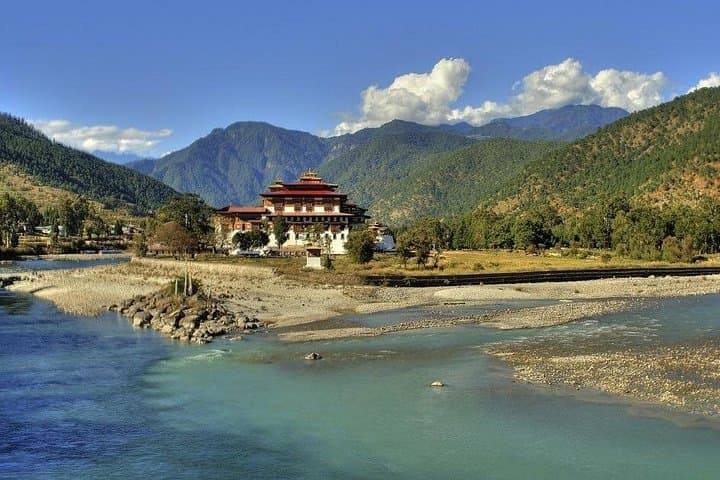
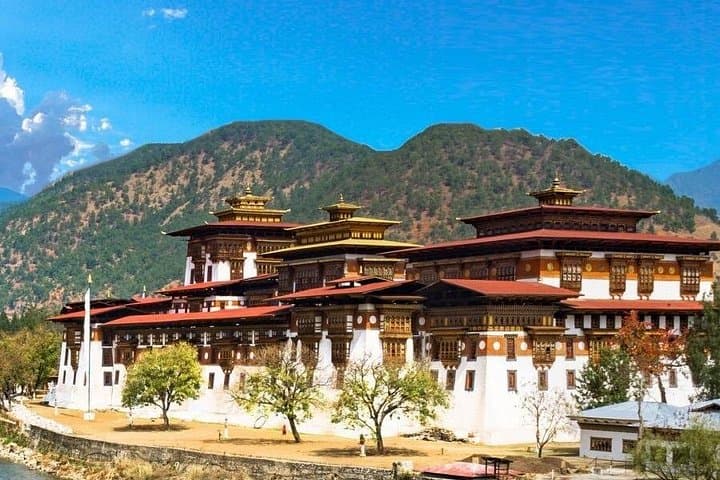
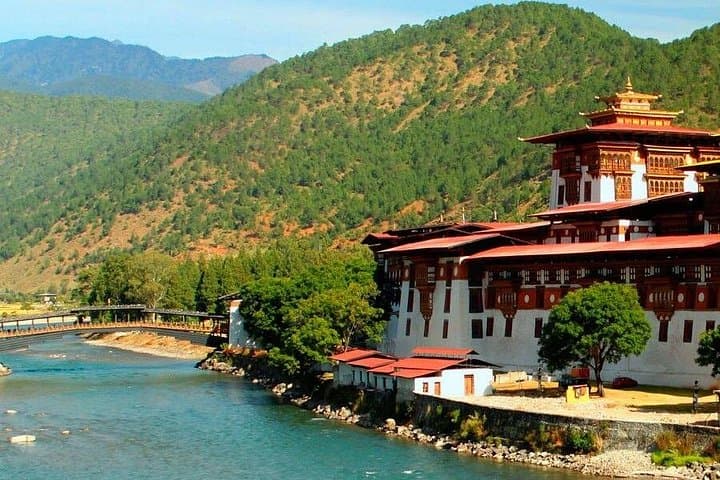
This compact five-day circuit stitches together Bhutan’s modern capital, ancient fortresses and river-valley culture. Geology here is immediate: the Dochu La saddle presents a high-altitude vantage where Himalayan giants—Gangkar Puensum among them—loom beyond bands of clouds. Centuries of Buddhist practice shape the architecture; dzongs like Tashichho and Punakha are civic monasteries built as administrative and spiritual hubs since the 17th century.
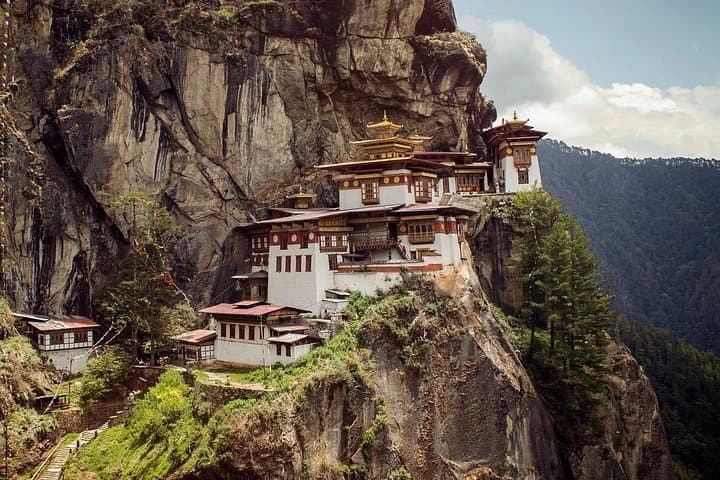
Culture is lived: nuns at Zilukha chant, farmers tend terraced fields, and traditional paper-making persists in small workshops. Visitors will encounter stone mani walls, painted stupas, and the dramatic Ta Dzong-turned-museum overlooking Rinpung Dzong in Paro. The iconic Taktsang (Tiger’s Nest) perches on a cliff above the valley—if included, it’s a steep half-day hike with rewards of prayer flags and altitude-tinged silence.
Practical guidance: plan for altitude and variable weather—layered clothing, steady hydration, and a slow first day help acclimatize. Domestic flights between Kathmandu and Paro run on set days; bring passport scans, recent photos and proof of vaccination or a recent PCR as required for visa processing. Comfortable walking shoes, sun protection, and modest clothing for monastery visits make for a smoother trip. Expect short drives between sites, early mornings for light, and a steady, culturally rich pace rather than strenuous trekking.
Yes—visas are processed through your tour operator; you must provide passport scans and photos in advance and the visa fee is typically included in the package.
No—flights generally operate on limited days (commonly Monday, Wednesday and Saturday from Kathmandu); confirm schedules and plan buffer time for connections.
Most valleys visited sit between 2,200–3,100 m; take it easy the first day, hydrate, and notify guides if you feel headache, nausea or dizziness—guided itineraries build in acclimatization time.
Bhutan uses the ngultrum (BTN) pegged to INR; tipping is modest and typically given for guides and drivers in local currency or USD converted—ask your operator for current guidance.
Alpine Club of Himalaya operates guided outdoor trips and adventures with an emphasis on safety, stewardship, and memorable experiences.
You step off the tarmac at Paro and the air feels thinner, the peaks suddenly closer—snow-scarred ridgelines cutting a clean horizon. The first day’s drive to Thimphu threads the Paro River through steep, forested ravines; prayer flags snap overhead as the guide describes the line of dzongs and watchtowers that mark valley history.
You step off the tarmac at Paro and the air feels thinner, the peaks suddenly closer—snow-scarred ridgelines cutting a clean horizon. The first day’s drive to Thimphu threads the Paro River through steep, forested ravines; prayer flags snap overhead as the guide describes the line of dzongs and watchtowers that mark valley history.
This compact five-day circuit stitches together Bhutan’s modern capital, ancient fortresses and river-valley culture. Geology here is immediate: the Dochu La saddle presents a high-altitude vantage where Himalayan giants—Gangkar Puensum among them—loom beyond bands of clouds. Centuries of Buddhist practice shape the architecture; dzongs like Tashichho and Punakha are civic monasteries built as administrative and spiritual hubs since the 17th century.
Culture is lived: nuns at Zilukha chant, farmers tend terraced fields, and traditional paper-making persists in small workshops. Visitors will encounter stone mani walls, painted stupas, and the dramatic Ta Dzong-turned-museum overlooking Rinpung Dzong in Paro. The iconic Taktsang (Tiger’s Nest) perches on a cliff above the valley—if included, it’s a steep half-day hike with rewards of prayer flags and altitude-tinged silence.
Practical guidance: plan for altitude and variable weather—layered clothing, steady hydration, and a slow first day help acclimatize. Domestic flights between Kathmandu and Paro run on set days; bring passport scans, recent photos and proof of vaccination or a recent PCR as required for visa processing. Comfortable walking shoes, sun protection, and modest clothing for monastery visits make for a smoother trip. Expect short drives between sites, early mornings for light, and a steady, culturally rich pace rather than strenuous trekking.