THE ADVENTURE COLLECTIVE® · Independent discovery and booking for outdoor travel

Three days traversing Paro and Thimphu culminate at Taktsang (Tiger’s Nest), a cliffside monastery reached by a steep pine-scented hike. This compact, private itinerary pairs cultural immersion with a rewarding high-altitude trail.
Three days traversing Paro and Thimphu culminate at Taktsang (Tiger’s Nest), a cliffside monastery reached by a steep pine-scented hike. This compact, private itinerary pairs cultural immersion with a rewarding high-altitude trail.
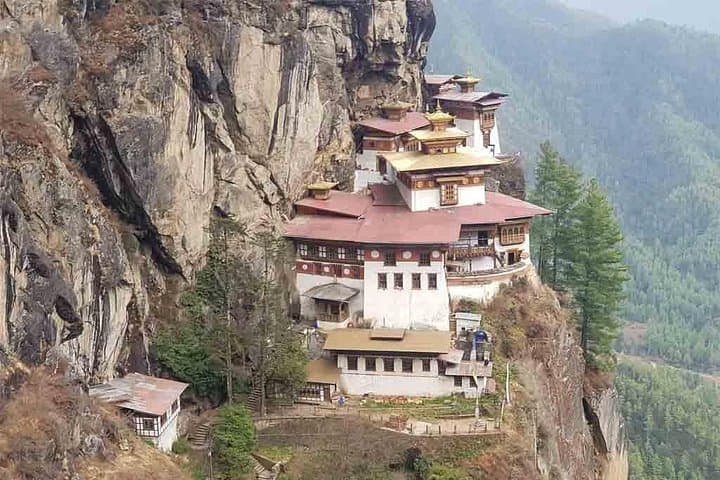
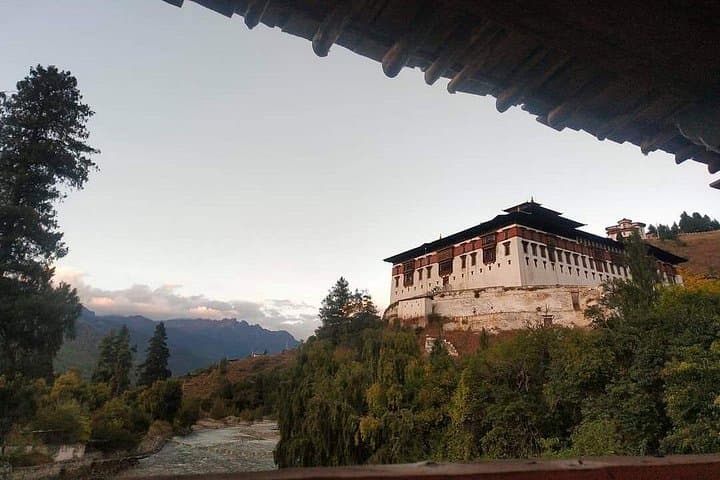
You arrive over the jagged spine of the eastern Himalaya and the plane tips into Paro valley; terraces, prayer flags, and a river that seems to dare you to slow down. A narrow road climbs toward Thimphu’s low-slung roofs, and then the next day a pine-lined trail pushes you up toward the cliff where Taktsang — Tiger’s Nest — perches like a thought pinned to stone.
Verified experiences and guided adventures in the surrounding area.
Operated by Bhutan Best InBound Tour · Paro, Paro District
You arrive over the jagged spine of the eastern Himalaya and the plane tips into Paro valley; terraces, prayer flags, and a river that seems to dare you to slow down. A narrow road climbs toward Thimphu’s low-slung roofs, and then the next day a pine-lined trail pushes you up toward the cliff where Taktsang — Tiger’s Nest — perches like a thought pinned to stone.
Bhutan’s valleys are young geology: uplifted schist and granite carved into steep amphitheaters by glacial and river action. Culture here is woven visibly into the landscape — dzongs (fortress-monasteries), chortens, and houses painted with protective motifs. The Tiger’s Nest legend of Guru Rinpoche arriving on a tigress in the 8th century remains central to local belief, while Thimphu’s Memorial Chorten and the Buddha Dordenma reflect modern devotional life.
Expect a physically engaging three-day loop: short drives between Paro and Thimphu, a 3–4 hour round-trip hike to Taktsang with roughly 800–950 m of elevation gain to the monastery viewpoint, and time for a farmhouse visit or market stroll.
Practicalities matter: Bhutan requires a tourist visa and the government daily fee (SDF) is prepaid through your booking; guides and ground transport are typically included. Start the Tiger’s Nest hike early for clearer air and softer light; bring layers for rapid weather shifts, steady trail shoes, and water. Respect monastery etiquette — quiet voices, modest dress, and no photography inside shrines. With moderate fitness and sensible preparation, this compact itinerary delivers Himalayan altitude, living culture, and a cliffside monastery that stays with you long after the flight home.
Yes — the tour includes the required visa processing; your operator will handle paperwork but ensure passport details and expiry are submitted in advance.
Plan for about 3–4 hours round-trip with roughly 800–950 m of elevation gain from the trailhead; the path is well-defined but steep in places.
Possibly for sensitive travelers — move slowly, hydrate, avoid alcohol, and inform guides if you feel unwell; the itinerary gives time to acclimatize between Paro and Thimphu.
Most bookings include ground transportation, breakfasts, lunches and dinners as listed, plus a certified English-speaking guide; confirm specifics with the operator before travel.
Bhutan Best InBound Tour operates guided outdoor trips and adventures with an emphasis on safety, stewardship, and memorable experiences.


You arrive over the jagged spine of the eastern Himalaya and the plane tips into Paro valley; terraces, prayer flags, and a river that seems to dare you to slow down. A narrow road climbs toward Thimphu’s low-slung roofs, and then the next day a pine-lined trail pushes you up toward the cliff where Taktsang — Tiger’s Nest — perches like a thought pinned to stone.
You arrive over the jagged spine of the eastern Himalaya and the plane tips into Paro valley; terraces, prayer flags, and a river that seems to dare you to slow down. A narrow road climbs toward Thimphu’s low-slung roofs, and then the next day a pine-lined trail pushes you up toward the cliff where Taktsang — Tiger’s Nest — perches like a thought pinned to stone.
Bhutan’s valleys are young geology: uplifted schist and granite carved into steep amphitheaters by glacial and river action. Culture here is woven visibly into the landscape — dzongs (fortress-monasteries), chortens, and houses painted with protective motifs. The Tiger’s Nest legend of Guru Rinpoche arriving on a tigress in the 8th century remains central to local belief, while Thimphu’s Memorial Chorten and the Buddha Dordenma reflect modern devotional life.
Expect a physically engaging three-day loop: short drives between Paro and Thimphu, a 3–4 hour round-trip hike to Taktsang with roughly 800–950 m of elevation gain to the monastery viewpoint, and time for a farmhouse visit or market stroll.
Practicalities matter: Bhutan requires a tourist visa and the government daily fee (SDF) is prepaid through your booking; guides and ground transport are typically included. Start the Tiger’s Nest hike early for clearer air and softer light; bring layers for rapid weather shifts, steady trail shoes, and water. Respect monastery etiquette — quiet voices, modest dress, and no photography inside shrines. With moderate fitness and sensible preparation, this compact itinerary delivers Himalayan altitude, living culture, and a cliffside monastery that stays with you long after the flight home.