THE ADVENTURE COLLECTIVE® · Independent discovery and booking for outdoor travel

A private five-day circuit through Paro and Thimphu that pairs cultural highlights with a hike to Taktsang (Tiger’s Nest). Expect fortress-monasteries, high mountain passes, and a manageable uphill trek with sweeping Himalayan views.
A private five-day circuit through Paro and Thimphu that pairs cultural highlights with a hike to Taktsang (Tiger’s Nest). Expect fortress-monasteries, high mountain passes, and a manageable uphill trek with sweeping Himalayan views.
The plane drops you into a green-walled valley and the Himalaya looms like a pageant of folded stone. From Paro’s small airport the road climbs to Thimphu, where prayer flags skitter across rooftops and the air smells faintly of woodsmoke and incense.
Verified experiences and guided adventures in the surrounding area.
Operated by Bhutan Luxury Tour · Paro, Paro District
The plane drops you into a green-walled valley and the Himalaya looms like a pageant of folded stone. From Paro’s small airport the road climbs to Thimphu, where prayer flags skitter across rooftops and the air smells faintly of woodsmoke and incense.
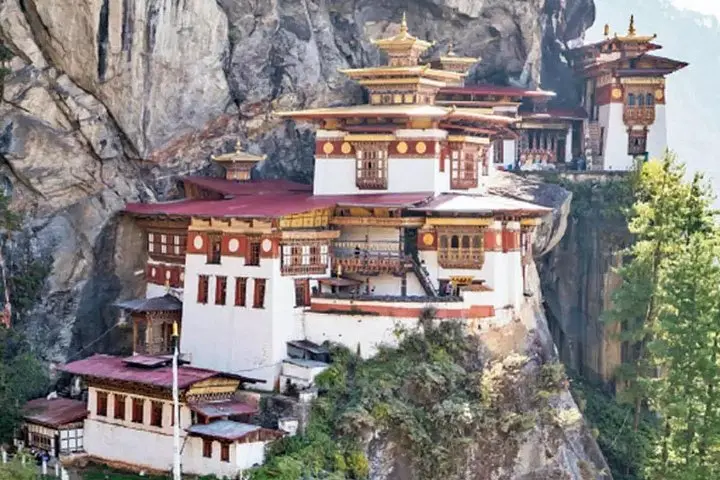
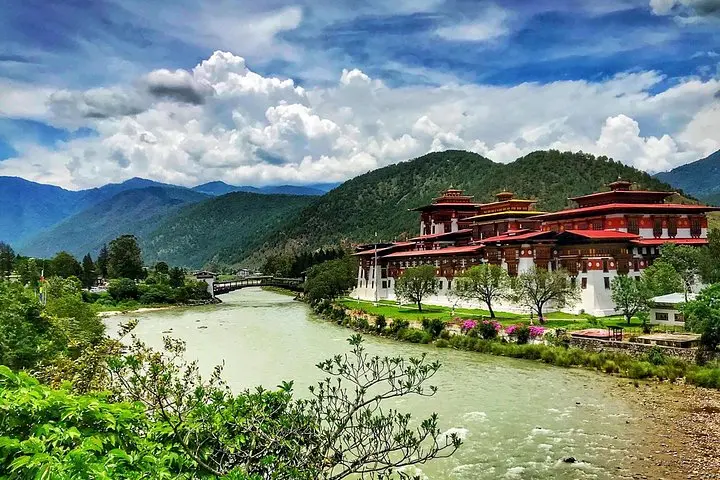
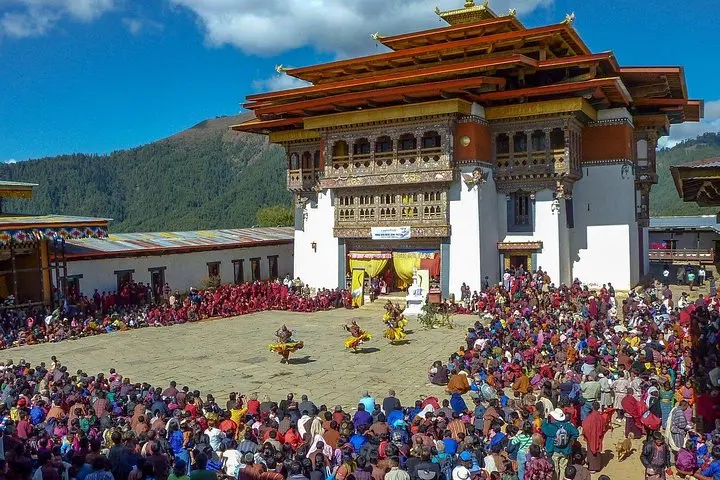
This private five-day circuit threads Bhutan’s three rhythms: Thimphu’s living culture and craft schools, the crisp conifers and chortens of Dochula Pass, and the narrow, steep approach to Taktsang — the Tiger’s Nest — clinging to a sandstone cliff above Paro Valley. Geologically the region is young, uplifted by the collision of the Indian and Eurasian plates; valleys are steep, rivers swift, and ridgelines slice the sky. Culturally, the trip centers on Vajrayana Buddhism and the dzongs — fortress-monasteries that combine civic and religious life.
Expect short drives between stops, museum visits, evening markets and a one to two-hour uphill trek to the Tiger’s Nest viewpoint (roughly 600–800 m cumulative ascent from the valley floor to the complex). Trails vary from packed dirt and stone steps to forested switchbacks; altitude hovers around 2,200–3,100 m so pace yourself.
Practical: Bhutan requires a Sustainable Development Fee and a guided visa process arranged in advance; this private tour covers those logistics. Bring layered clothing, sturdy footwear, sun protection and 2–3 liters of water for the Tiger’s Nest day. Start early for clear mountain light and quieter shrines. Respect dress and photography rules inside temples and follow your guide’s instructions — they’ll open doors you won’t find on your own.
Yes — Bhutan requires a visa and a daily Sustainable Development Fee; a licensed operator arranges visas and SDF payment as part of the booking.
The main approach involves 1–2 hours uphill to the viewpoint and another hour to the monastery — it’s steep in sections but not technical; moderate fitness is sufficient.
Typical inclusions are private transport, accommodations, some meals, entrance fees, and Bhutan’s required fees; confirm specifics with the operator before booking.
Late spring (March–May) and fall (September–November) generally offer the clearest skies and best visibility of the high peaks.
Bhutan Luxury Tour operates guided outdoor trips and adventures with an emphasis on safety, stewardship, and memorable experiences.
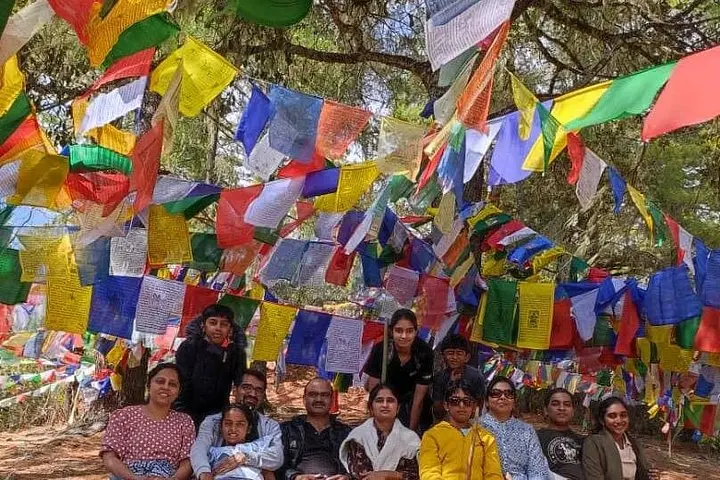
The plane drops you into a green-walled valley and the Himalaya looms like a pageant of folded stone. From Paro’s small airport the road climbs to Thimphu, where prayer flags skitter across rooftops and the air smells faintly of woodsmoke and incense.
The plane drops you into a green-walled valley and the Himalaya looms like a pageant of folded stone. From Paro’s small airport the road climbs to Thimphu, where prayer flags skitter across rooftops and the air smells faintly of woodsmoke and incense.
This private five-day circuit threads Bhutan’s three rhythms: Thimphu’s living culture and craft schools, the crisp conifers and chortens of Dochula Pass, and the narrow, steep approach to Taktsang — the Tiger’s Nest — clinging to a sandstone cliff above Paro Valley. Geologically the region is young, uplifted by the collision of the Indian and Eurasian plates; valleys are steep, rivers swift, and ridgelines slice the sky. Culturally, the trip centers on Vajrayana Buddhism and the dzongs — fortress-monasteries that combine civic and religious life.
Expect short drives between stops, museum visits, evening markets and a one to two-hour uphill trek to the Tiger’s Nest viewpoint (roughly 600–800 m cumulative ascent from the valley floor to the complex). Trails vary from packed dirt and stone steps to forested switchbacks; altitude hovers around 2,200–3,100 m so pace yourself.
Practical: Bhutan requires a Sustainable Development Fee and a guided visa process arranged in advance; this private tour covers those logistics. Bring layered clothing, sturdy footwear, sun protection and 2–3 liters of water for the Tiger’s Nest day. Start early for clear mountain light and quieter shrines. Respect dress and photography rules inside temples and follow your guide’s instructions — they’ll open doors you won’t find on your own.