THE ADVENTURE COLLECTIVE® · Independent discovery and booking for outdoor travel

Spend a day from Biarritz into the Basque hinterland visiting Bidart, Saint-Jean-de-Luz, Sare, Ainhoa and Espelette while sampling Bayonne ham, sheep cheese and Espelette pepper. This private tour blends coastal viewpoints, village history and local gastronomy into one accessible day trip.
Spend a day from Biarritz into the Basque hinterland visiting Bidart, Saint-Jean-de-Luz, Sare, Ainhoa and Espelette while sampling Bayonne ham, sheep cheese and Espelette pepper. This private tour blends coastal viewpoints, village history and local gastronomy into one accessible day trip.
A morning in Biarritz begins with Atlantic wind sharpening the air and the van slipping onto the coastal road — cliffs on one side, rolling green foothills on the other. The tour moves at a measured pace: a short shoreline stop in Bidart, a hilltop viewpoint over Saint-Jean-de-Luz, then deeper into stone-lined lanes where red shutters and drying peppers mark a distinct Basque rhythm.
Verified experiences and guided adventures in the surrounding area.
Operated by Euskal Motivo · Biarritz, Nouvelle-Aquitaine
A morning in Biarritz begins with Atlantic wind sharpening the air and the van slipping onto the coastal road — cliffs on one side, rolling green foothills on the other. The tour moves at a measured pace: a short shoreline stop in Bidart, a hilltop viewpoint over Saint-Jean-de-Luz, then deeper into stone-lined lanes where red shutters and drying peppers mark a distinct Basque rhythm.
These villages carry layered histories: Ainhoa’s 13th-century bastide plan for pilgrims, Saint-Jean-de-Luz’s 17th-century houses tied to whaling and the royal marriage of Louis XIV, and Espelette’s pepper legacy that reshaped local agriculture. Geologically the route shifts from Atlantic sedimentary cliffs to the crystalline foothills of the western Pyrenees — you feel the landscape firming underfoot as you leave the bay.
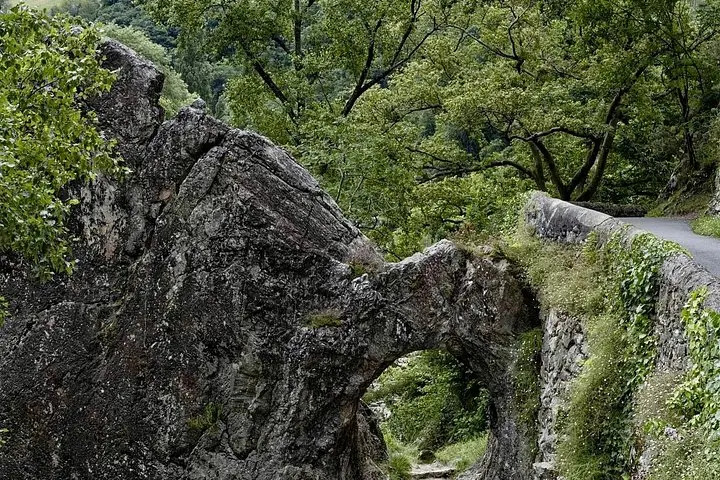
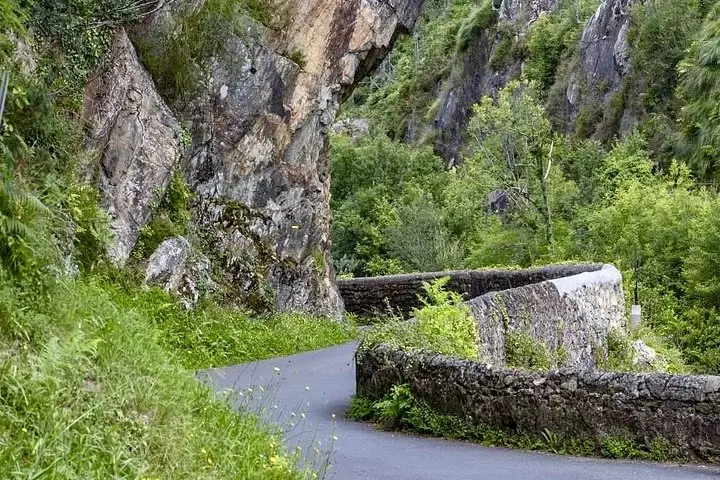
Culturally the region speaks through food: Bayonne ham, ewe’s milk cheese and Espelette pepper appear in small tasting stops that illustrate farm-to-table traditions preserved by cooperative producers. The Nive river cuts dramatic gorges at Pas de Roland, its current daring you to listen to the story in the rocks.
Practical guidance: wear grippy walking shoes for cobbled streets and short hill walks; pack a light rain shell and a refillable water bottle; bring cash for local producers. Expect a 9‑hour private day with flexible walking; comfortable shoes and a moderate stamina level make the day pleasant. Aim for morning departures to catch clearest coastal views and quieter village markets; the guide handles logistics so you can focus on tasting, photographing, and learning the Basque way.
Yes — the itinerary includes regional tastings such as Bayonne ham, ewe’s milk cheese and Espelette products at local stops.
The tour is private and adaptable; there are options to view sites from the vehicle for limited mobility or young children, but some short walks are typical.
Guides usually speak French and English; confirm language preference at booking to ensure availability.
Tours typically start and finish in Biarritz with private pickup/drop-off; confirm exact meeting point when you book.
Euskal Motivo operates guided outdoor trips and adventures with an emphasis on safety, stewardship, and memorable experiences.
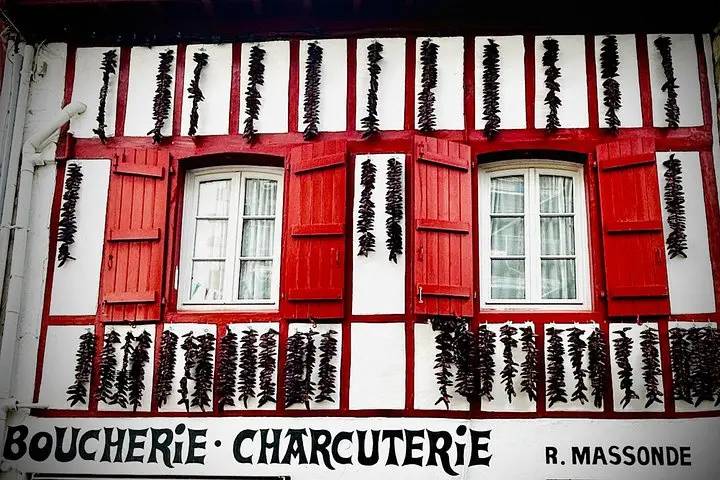
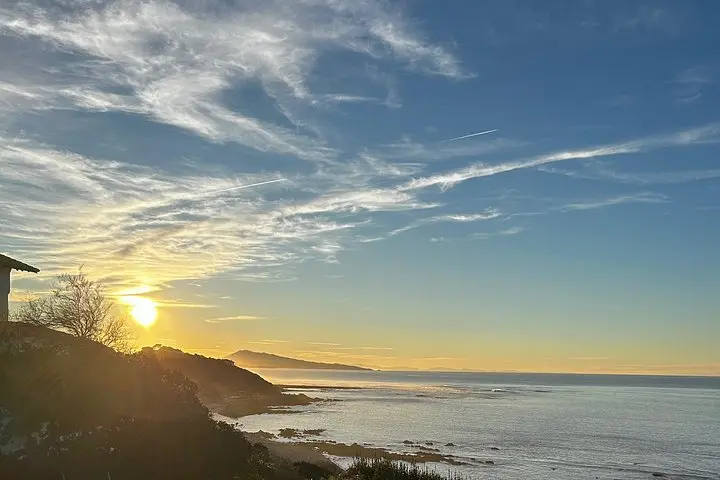
A morning in Biarritz begins with Atlantic wind sharpening the air and the van slipping onto the coastal road — cliffs on one side, rolling green foothills on the other. The tour moves at a measured pace: a short shoreline stop in Bidart, a hilltop viewpoint over Saint-Jean-de-Luz, then deeper into stone-lined lanes where red shutters and drying peppers mark a distinct Basque rhythm.
A morning in Biarritz begins with Atlantic wind sharpening the air and the van slipping onto the coastal road — cliffs on one side, rolling green foothills on the other. The tour moves at a measured pace: a short shoreline stop in Bidart, a hilltop viewpoint over Saint-Jean-de-Luz, then deeper into stone-lined lanes where red shutters and drying peppers mark a distinct Basque rhythm.
These villages carry layered histories: Ainhoa’s 13th-century bastide plan for pilgrims, Saint-Jean-de-Luz’s 17th-century houses tied to whaling and the royal marriage of Louis XIV, and Espelette’s pepper legacy that reshaped local agriculture. Geologically the route shifts from Atlantic sedimentary cliffs to the crystalline foothills of the western Pyrenees — you feel the landscape firming underfoot as you leave the bay.
Culturally the region speaks through food: Bayonne ham, ewe’s milk cheese and Espelette pepper appear in small tasting stops that illustrate farm-to-table traditions preserved by cooperative producers. The Nive river cuts dramatic gorges at Pas de Roland, its current daring you to listen to the story in the rocks.
Practical guidance: wear grippy walking shoes for cobbled streets and short hill walks; pack a light rain shell and a refillable water bottle; bring cash for local producers. Expect a 9‑hour private day with flexible walking; comfortable shoes and a moderate stamina level make the day pleasant. Aim for morning departures to catch clearest coastal views and quieter village markets; the guide handles logistics so you can focus on tasting, photographing, and learning the Basque way.