THE ADVENTURE COLLECTIVE® · Independent discovery and booking for outdoor travel

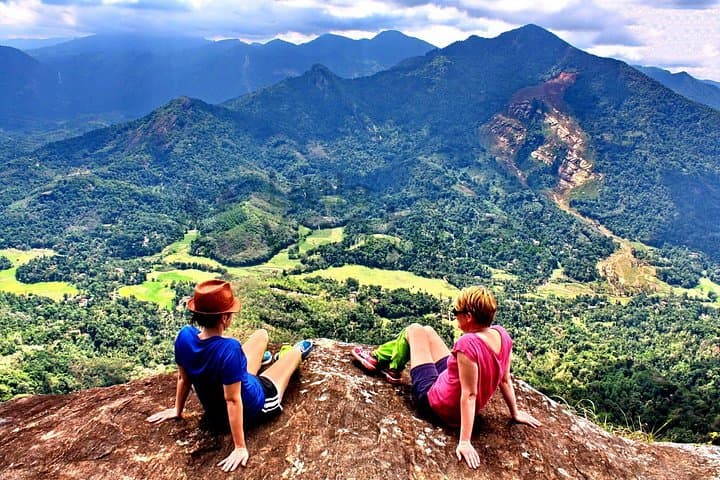
A steady climb leads to a flat-topped summit with 360° views of ridges, waterfalls and tea country. This guided hike from Kegalle blends colonial history, raptor sightings and a practical five-hour outing suitable for fit day-hikers.
A steady climb leads to a flat-topped summit with 360° views of ridges, waterfalls and tea country. This guided hike from Kegalle blends colonial history, raptor sightings and a practical five-hour outing suitable for fit day-hikers.
Early light slants across the A1 as you leave Kegalle; the blocky silhouette of Bible Rock (Batalegala) sharpens against a low cloud. On trail, the wind tugs at the ferns and the forest seems to lean toward the monolith, as if the ridge itself is pointing you toward the flat, lectern-like summit.
Verified experiences and guided adventures in the surrounding area.
Operated by Lakpura LLC · Kegalle, Sabaragamuwa Province
Early light slants across the A1 as you leave Kegalle; the blocky silhouette of Bible Rock (Batalegala) sharpens against a low cloud. On trail, the wind tugs at the ferns and the forest seems to lean toward the monolith, as if the ridge itself is pointing you toward the flat, lectern-like summit.
The rock earned its English name during British rule for that flat top—an unmistakable lectern visible from the Kadugannawa Pass. Geologically it reads like an inselberg: a resistant, steep-sided outcrop rising above eroded valleys. Culturally the peak has threaded into local art and photography, and guides will point out legacy tea estates and colonial-era roadworks below as you climb.
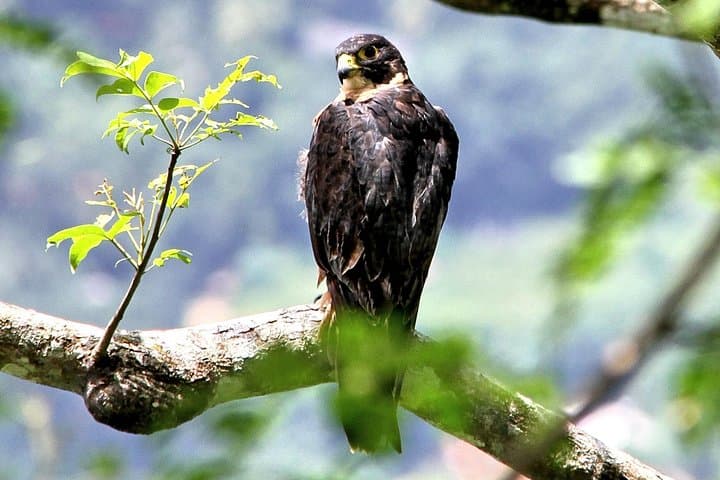
Birdlife is a highlight; Black Eagles and the Shaheen Falcon ride the thermals while forest song shifts between palms and shade-tolerant trees. The ascent itself is a mix of steep footpaths, occasional rock steps and compacted dirt—about 5 hours round-trip for a typical guided pace, with a summit picnic often included.
Practical edge: start early to avoid mid-day heat and clouds, wear grippy shoes for short rock scrambles, and carry at least 2 liters of water (tours sometimes supply this). Expect changing microclimates—sun on the open ridges, sudden mist in the hollows. Photography windows open wide at dawn and late afternoon when shadows reveal the contours of surrounding peaks and nearby waterfalls like Asupini Ella.
Leave no trace on the summit, respect local farms along the trail, and be prepared for a steady, rewarding climb that finishes with one of Sri Lanka’s most cinematic viewpoints.
The route is classed moderate: expect steady uphill walking, some short rock steps and uneven trail; about 4–6 hours round-trip depending on pace.
A local guide is recommended for navigation and safety, and many tours include guiding service and picnic breakfast; there’s no formal permit system but always check with local operators.
Dry months (roughly December–April) offer the clearest views; avoid heavy monsoon periods if you want stable trail conditions and less cloud cover.
Expect raptors like the Black Eagle and Shaheen Falcon, common forest birds, and possibly small mammals—observe from a distance and don’t feed wildlife.
Lakpura LLC operates guided outdoor trips and adventures with an emphasis on safety, stewardship, and memorable experiences.


Early light slants across the A1 as you leave Kegalle; the blocky silhouette of Bible Rock (Batalegala) sharpens against a low cloud. On trail, the wind tugs at the ferns and the forest seems to lean toward the monolith, as if the ridge itself is pointing you toward the flat, lectern-like summit.
Early light slants across the A1 as you leave Kegalle; the blocky silhouette of Bible Rock (Batalegala) sharpens against a low cloud. On trail, the wind tugs at the ferns and the forest seems to lean toward the monolith, as if the ridge itself is pointing you toward the flat, lectern-like summit.
The rock earned its English name during British rule for that flat top—an unmistakable lectern visible from the Kadugannawa Pass. Geologically it reads like an inselberg: a resistant, steep-sided outcrop rising above eroded valleys. Culturally the peak has threaded into local art and photography, and guides will point out legacy tea estates and colonial-era roadworks below as you climb.
Birdlife is a highlight; Black Eagles and the Shaheen Falcon ride the thermals while forest song shifts between palms and shade-tolerant trees. The ascent itself is a mix of steep footpaths, occasional rock steps and compacted dirt—about 5 hours round-trip for a typical guided pace, with a summit picnic often included.
Practical edge: start early to avoid mid-day heat and clouds, wear grippy shoes for short rock scrambles, and carry at least 2 liters of water (tours sometimes supply this). Expect changing microclimates—sun on the open ridges, sudden mist in the hollows. Photography windows open wide at dawn and late afternoon when shadows reveal the contours of surrounding peaks and nearby waterfalls like Asupini Ella.
Leave no trace on the summit, respect local farms along the trail, and be prepared for a steady, rewarding climb that finishes with one of Sri Lanka’s most cinematic viewpoints.