THE ADVENTURE COLLECTIVE® · Independent discovery and booking for outdoor travel

Walk the lanes of one of the Cotswolds’ most photographed villages with a self-guided audio tour that traces a thousand years of life along the River Coln. Discover trout ponds, weavers’ cottages, and stories delivered on your own schedule.
Walk the lanes of one of the Cotswolds’ most photographed villages with a self-guided audio tour that traces a thousand years of life along the River Coln. Discover trout ponds, weavers’ cottages, and stories delivered on your own schedule.
A chill from the River Coln meets you before the cottages come into view — the water threading bright through grassy banks, daring your feet to slow and look. Start at Bibury Trout Farm and you can feel the place as an active landscape: springs that fed Roman forges, coursing through grassy marshes and under narrow lanes toward Arlington Row’s honey-stone facades.
Verified experiences and guided adventures in the surrounding area.
Operated by VoiceMap Audio Tours · Bibury, Gloucestershire
A chill from the River Coln meets you before the cottages come into view — the water threading bright through grassy banks, daring your feet to slow and look. Start at Bibury Trout Farm and you can feel the place as an active landscape: springs that fed Roman forges, coursing through grassy marshes and under narrow lanes toward Arlington Row’s honey-stone facades.
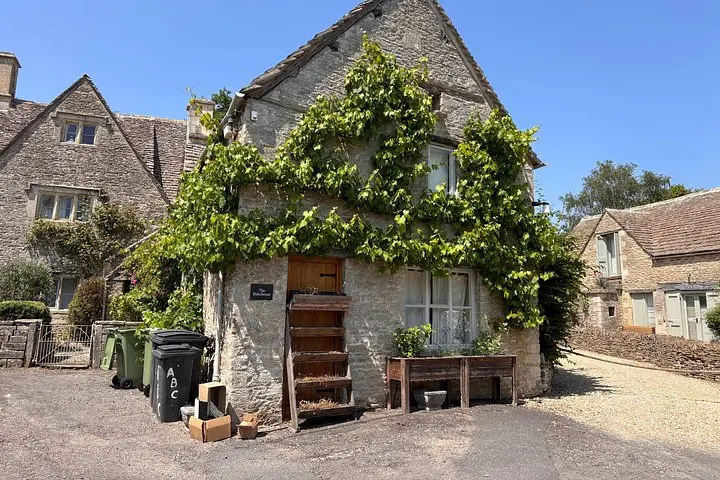
Bibury’s built fabric records centuries: a Saxon hamlet recorded in the Domesday era, medieval wool infrastructure repurposed in the 17th century into the weavers’ cottages you walk past today, and a parish church whose stonework bears later Georgian and Victorian touches. Geologically, the Cotswolds’ oolitic limestone shapes everything here — low ridges, dry-stone walls, and warm-toned buildings quarried locally.
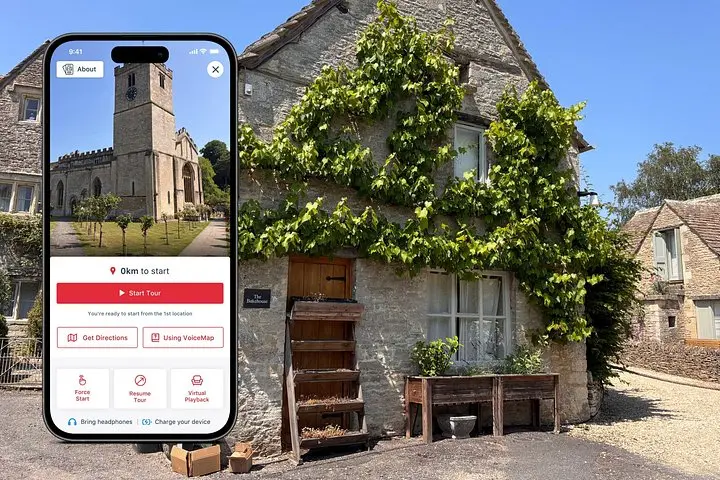
The self-guided route uses the VoiceMap app to sequence stories, viewpoints, and local anecdotes, letting you pause at trout ponds, study a dovecote, or sidestep into a lane to watch kingfishers flash. The village is lived-in — treat doorways, gardens, and footpaths as private thresholds.
Practical guidance: plan 90–120 minutes, wear sturdy walking shoes for uneven lanes, and download the audio/maps for offline use. Arrive early in high season to avoid crowds and respect parking restrictions near the farm. Bring a light waterproof and a charged phone for navigation; public toilets are limited, so time your visit in nearby Cirencester or the village facilities if open. This is low-effort walking with high rewards for anyone who wants a concentrated immersion in English village life.
No; the self-guided tour passes by the farm but any admission to the farm is separate.
No; the tour relies on the VoiceMap app for audio and geodata — a smartphone is required.
Dogs are allowed on public footpaths but should be kept under control and out of private gardens.
Much of Bibury’s lanes are narrow, cobbled, or uneven and are not fully wheelchair accessible; contact local services for specific accessibility advice.
VoiceMap Audio Tours operates guided outdoor trips and adventures with an emphasis on safety, stewardship, and memorable experiences.
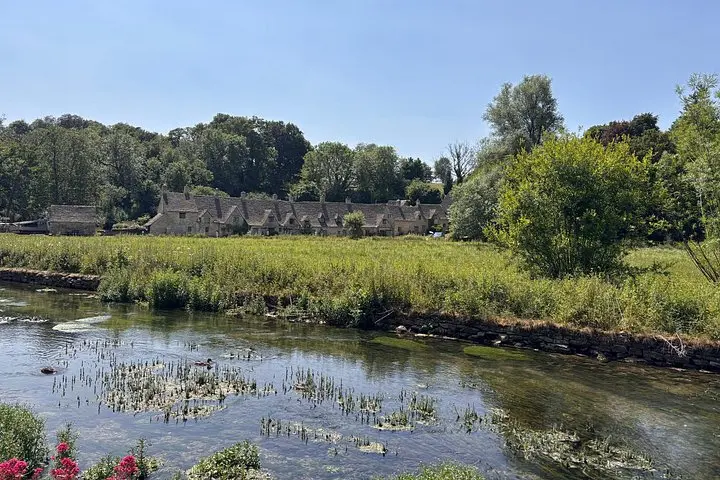
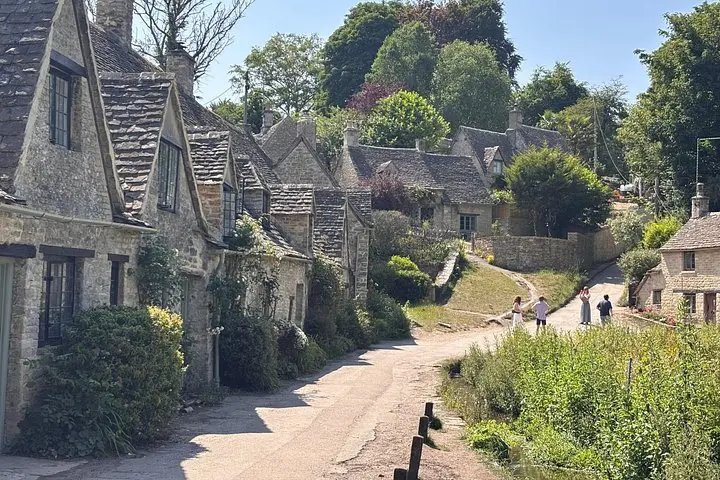
A chill from the River Coln meets you before the cottages come into view — the water threading bright through grassy banks, daring your feet to slow and look. Start at Bibury Trout Farm and you can feel the place as an active landscape: springs that fed Roman forges, coursing through grassy marshes and under narrow lanes toward Arlington Row’s honey-stone facades.
A chill from the River Coln meets you before the cottages come into view — the water threading bright through grassy banks, daring your feet to slow and look. Start at Bibury Trout Farm and you can feel the place as an active landscape: springs that fed Roman forges, coursing through grassy marshes and under narrow lanes toward Arlington Row’s honey-stone facades.
Bibury’s built fabric records centuries: a Saxon hamlet recorded in the Domesday era, medieval wool infrastructure repurposed in the 17th century into the weavers’ cottages you walk past today, and a parish church whose stonework bears later Georgian and Victorian touches. Geologically, the Cotswolds’ oolitic limestone shapes everything here — low ridges, dry-stone walls, and warm-toned buildings quarried locally.
The self-guided route uses the VoiceMap app to sequence stories, viewpoints, and local anecdotes, letting you pause at trout ponds, study a dovecote, or sidestep into a lane to watch kingfishers flash. The village is lived-in — treat doorways, gardens, and footpaths as private thresholds.
Practical guidance: plan 90–120 minutes, wear sturdy walking shoes for uneven lanes, and download the audio/maps for offline use. Arrive early in high season to avoid crowds and respect parking restrictions near the farm. Bring a light waterproof and a charged phone for navigation; public toilets are limited, so time your visit in nearby Cirencester or the village facilities if open. This is low-effort walking with high rewards for anyone who wants a concentrated immersion in English village life.