THE ADVENTURE COLLECTIVE® · Independent discovery and booking for outdoor travel

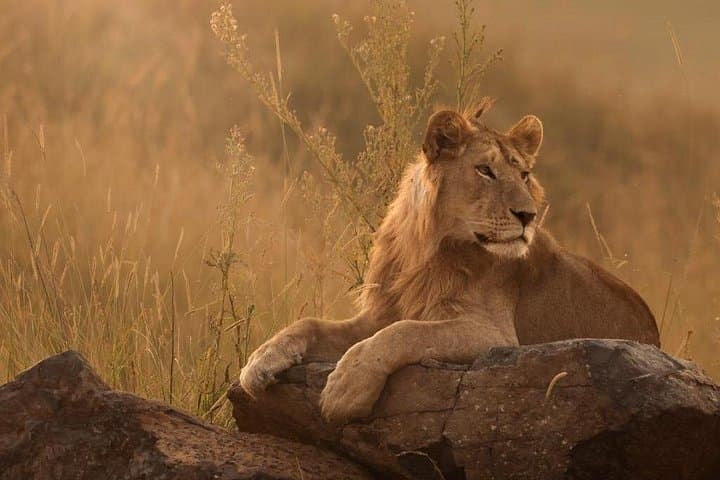
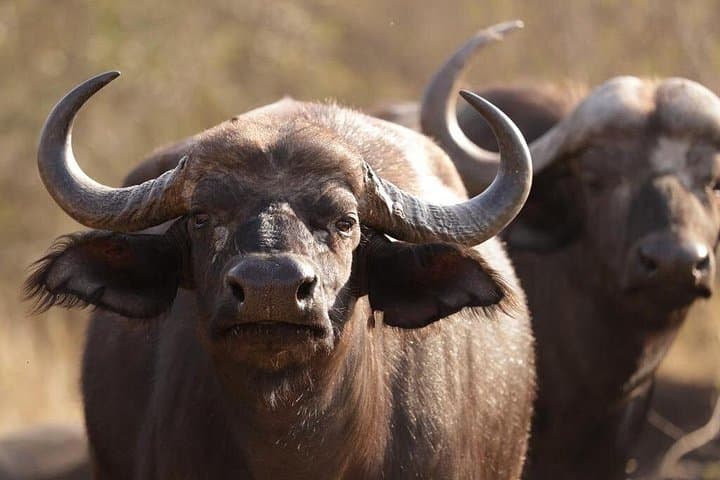
Watch the Lowveld come alive on a private sunset game drive from Hoedspruit. This intimate, 3–4 hour safari delivers Big Five sightings, expert guiding and a sundowner in the bush—ideal for families and travelers short on time.
Watch the Lowveld come alive on a private sunset game drive from Hoedspruit. This intimate, 3–4 hour safari delivers Big Five sightings, expert guiding and a sundowner in the bush—ideal for families and travelers short on time.
The Land Rover eases off a red-dust track as the sun drops behind fever trees; the bushveld exhales and the shadows lengthen. You feel the vehicle settle, the guide’s voice low and precise, and the light—golden and hungry—turns a distant elephant silhouette into a slow-moving monument. This is Hoedspruit at sunset: raw, immediate and alive.
Verified experiences and guided adventures in the surrounding area.
Operated by My Africa · Hoedspruit, Limpopo
The Land Rover eases off a red-dust track as the sun drops behind fever trees; the bushveld exhales and the shadows lengthen. You feel the vehicle settle, the guide’s voice low and precise, and the light—golden and hungry—turns a distant elephant silhouette into a slow-moving monument. This is Hoedspruit at sunset: raw, immediate and alive.
Geology and history shape the scene. You’re in the Lowveld—granite outcrops, sandy soils and the mosaic of mopane and leadwood—terrain that supports the Big Five and the smaller grazers they depend on. The region’s modern reserves grew from local settler farms and conservation initiatives; today private concessions stitch together habitat corridors beyond Kruger National Park’s boundaries.
Culture here is tied to the land—rangers, trackers and community conservancies share knowledge and livelihoods. Expect expert interpretation from guides who read spoor as easily as a map and who can explain how seasonal rains push herds and predators into predictable patterns.
Practical guidance: the drive runs about 3–4 hours at dusk, on bumpy gravel roads—wear layers for cooling nights and closed shoes for dust. Binoculars and a telephoto lens are worth bringing; cameras should use fast shutters as light falls quickly. Sundowner stops with snacks and bottled water are typical; children are welcome but be mindful of rough roads. Keep a respectful distance from wildlife and follow your guide’s instructions—safety and sightings improve when the vehicle is steady and quiet.
Yes—families are welcome, but check with the operator about child seat requirements and be aware of bumpy roads and wildlife unpredictability.
Sightings of Big Five species are common in private reserves, but wildlife is wild—guides increase your odds through knowledge of movements, not guarantees.
Consult a travel clinic for routine vaccines and malaria prophylaxis specific to the Lowveld; carry any personal medications and a basic first-aid kit.
Many operators offer transfers from Hoedspruit lodges or the town—confirm pickup details at booking and allow buffer time for remote roads.
My Africa operates guided outdoor trips and adventures with an emphasis on safety, stewardship, and memorable experiences.
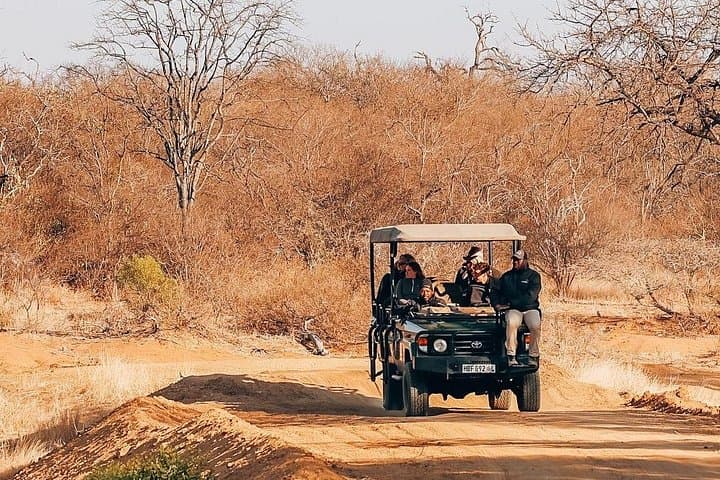
The Land Rover eases off a red-dust track as the sun drops behind fever trees; the bushveld exhales and the shadows lengthen. You feel the vehicle settle, the guide’s voice low and precise, and the light—golden and hungry—turns a distant elephant silhouette into a slow-moving monument. This is Hoedspruit at sunset: raw, immediate and alive.
The Land Rover eases off a red-dust track as the sun drops behind fever trees; the bushveld exhales and the shadows lengthen. You feel the vehicle settle, the guide’s voice low and precise, and the light—golden and hungry—turns a distant elephant silhouette into a slow-moving monument. This is Hoedspruit at sunset: raw, immediate and alive.
Geology and history shape the scene. You’re in the Lowveld—granite outcrops, sandy soils and the mosaic of mopane and leadwood—terrain that supports the Big Five and the smaller grazers they depend on. The region’s modern reserves grew from local settler farms and conservation initiatives; today private concessions stitch together habitat corridors beyond Kruger National Park’s boundaries.
Culture here is tied to the land—rangers, trackers and community conservancies share knowledge and livelihoods. Expect expert interpretation from guides who read spoor as easily as a map and who can explain how seasonal rains push herds and predators into predictable patterns.
Practical guidance: the drive runs about 3–4 hours at dusk, on bumpy gravel roads—wear layers for cooling nights and closed shoes for dust. Binoculars and a telephoto lens are worth bringing; cameras should use fast shutters as light falls quickly. Sundowner stops with snacks and bottled water are typical; children are welcome but be mindful of rough roads. Keep a respectful distance from wildlife and follow your guide’s instructions—safety and sightings improve when the vehicle is steady and quiet.