THE ADVENTURE COLLECTIVE® · Independent discovery and booking for outdoor travel

Combine a morning whale-and-penguin cruise on Algoa Bay with an afternoon game drive in malaria-free Addo Elephant National Park. This full-day Big 7 experience pairs ocean megafauna with land-based encounters for a single, long wildlife day.
Combine a morning whale-and-penguin cruise on Algoa Bay with an afternoon game drive in malaria-free Addo Elephant National Park. This full-day Big 7 experience pairs ocean megafauna with land-based encounters for a single, long wildlife day.
The day opens on the steel-tinted waters of Algoa Bay, where the boat cuts through morning light and seabirds wheel like punctuation marks. You’ll scan the swell for blows and flukes — humpback and southern right whales in season — while seals and dolphins thread the wake and St. Croix Island’s penguin colony barks from the rocks.
Verified experiences and guided adventures in the surrounding area.
Operated by Zasendle Adventures · Port Elizabeth (Gqeberha), Eastern Cape
The day opens on the steel-tinted waters of Algoa Bay, where the boat cuts through morning light and seabirds wheel like punctuation marks. You’ll scan the swell for blows and flukes — humpback and southern right whales in season — while seals and dolphins thread the wake and St. Croix Island’s penguin colony barks from the rocks.
By midday the shoreline gives way to scrub and red clay as the drive heads inland toward Addo Elephant National Park. Geologically, the park rides a scarp of ancient Karoo sediments that drop to coastal plains, shaping habitats from dunes to thick thicket. Founded to protect the region’s remnant elephant population, Addo has grown to include coastal islands and now offers the rare “Big 7” combo of marine and terrestrial megafauna.
Culturally, this corridor links Gqeberha (Port Elizabeth)’s fishing history with Xhosa-speaking agricultural communities and citrus farms along the Sundays River; guides often weave local conservation stories into game-viewing. Expect guides to use strategic stops for both photography and quiet observation — the elephants will test your patience and the sea will dare you to keep watching.
Practical notes: plan for a nine-hour day with marine and park fees typically included, bring motion-sickness remedies, binoculars, layered clothing for wind and shade, and a camera with a long lens. Timing matters: whale season (winter–spring) and early morning calm on the bay increase marine sightings, while late afternoon light on the park’s roads heightens animal activity. Respect park rules, stay in the vehicle except at designated stops, and carry water — it’s a full, uncompromising wildlife day.
This is a full-day tour (~9 hours). Pickup usually around 8:30 AM in Port Elizabeth with a morning marine cruise, lunch in port, and an afternoon game drive in Addo, returning by ~6:00 PM.
No sightings can be guaranteed; operators maximize chances by timing and local knowledge, but wildlife is unpredictable. Whale sightings are seasonal and more likely in winter–spring.
Children are welcome; infant seats are available. Long hours and variable sea conditions may not suit very young children—check with the operator for child policies.
No—Addo Elephant National Park is in a malaria-free area, but consult health advice for other parts of South Africa you may visit.
Zasendle Adventures operates guided outdoor trips and adventures with an emphasis on safety, stewardship, and memorable experiences.
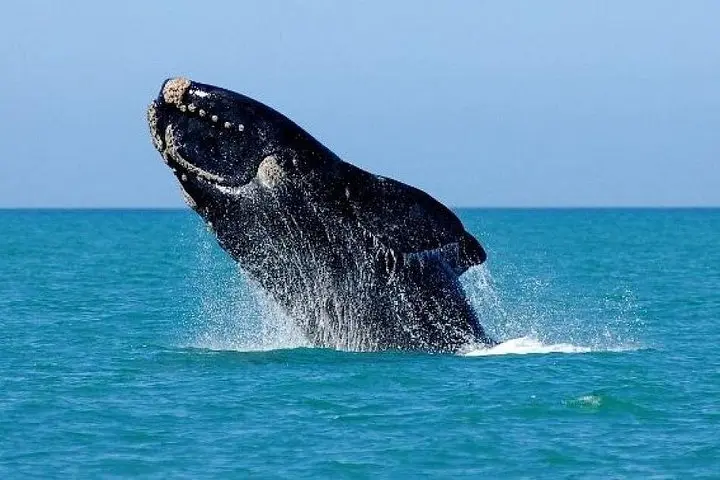
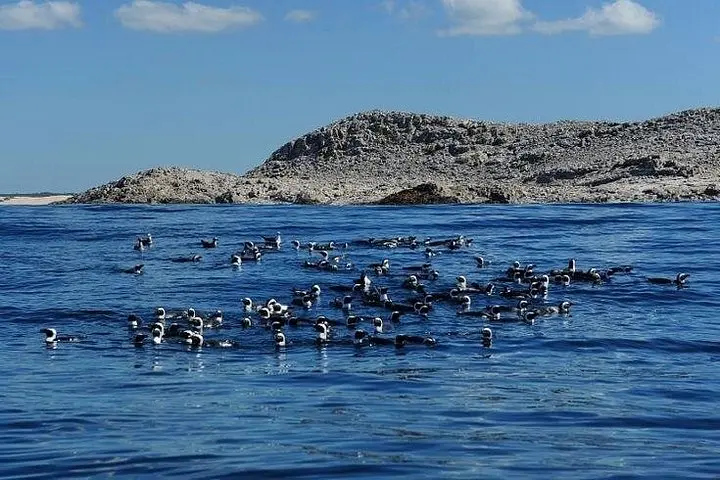
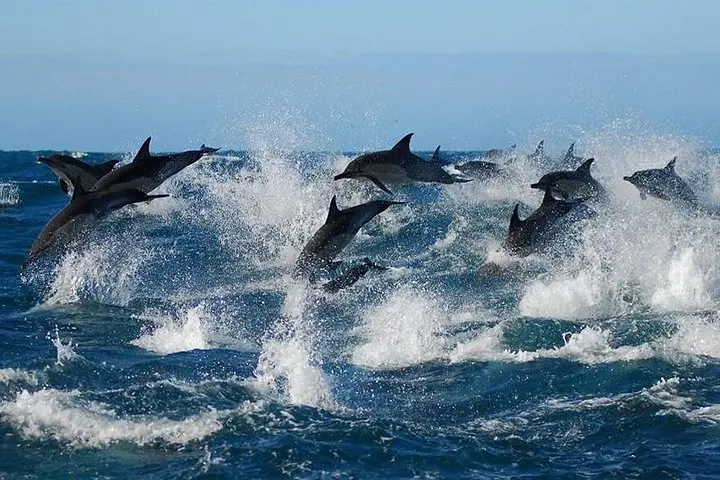
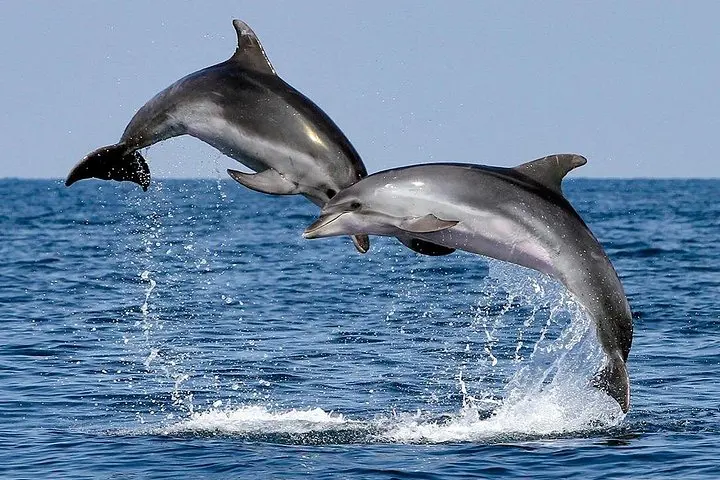
The day opens on the steel-tinted waters of Algoa Bay, where the boat cuts through morning light and seabirds wheel like punctuation marks. You’ll scan the swell for blows and flukes — humpback and southern right whales in season — while seals and dolphins thread the wake and St. Croix Island’s penguin colony barks from the rocks.
The day opens on the steel-tinted waters of Algoa Bay, where the boat cuts through morning light and seabirds wheel like punctuation marks. You’ll scan the swell for blows and flukes — humpback and southern right whales in season — while seals and dolphins thread the wake and St. Croix Island’s penguin colony barks from the rocks.
By midday the shoreline gives way to scrub and red clay as the drive heads inland toward Addo Elephant National Park. Geologically, the park rides a scarp of ancient Karoo sediments that drop to coastal plains, shaping habitats from dunes to thick thicket. Founded to protect the region’s remnant elephant population, Addo has grown to include coastal islands and now offers the rare “Big 7” combo of marine and terrestrial megafauna.
Culturally, this corridor links Gqeberha (Port Elizabeth)’s fishing history with Xhosa-speaking agricultural communities and citrus farms along the Sundays River; guides often weave local conservation stories into game-viewing. Expect guides to use strategic stops for both photography and quiet observation — the elephants will test your patience and the sea will dare you to keep watching.
Practical notes: plan for a nine-hour day with marine and park fees typically included, bring motion-sickness remedies, binoculars, layered clothing for wind and shade, and a camera with a long lens. Timing matters: whale season (winter–spring) and early morning calm on the bay increase marine sightings, while late afternoon light on the park’s roads heightens animal activity. Respect park rules, stay in the vehicle except at designated stops, and carry water — it’s a full, uncompromising wildlife day.