THE ADVENTURE COLLECTIVE® · Independent discovery and booking for outdoor travel

Swap city streets for a glacier-fed alpine bowl just south of Almaty. This private tour delivers short, scenic walks, panoramic terraces and photo-ready views at 2,511 m—ideal for those who want mountain drama without a long hike.
Swap city streets for a glacier-fed alpine bowl just south of Almaty. This private tour delivers short, scenic walks, panoramic terraces and photo-ready views at 2,511 m—ideal for those who want mountain drama without a long hike.
You arrive at the crest of a high mountain road and the lake opens like a cool mirror: turquoise water pushed into a cirque, snow-flecked ridges angling up behind it. Spruce-scented pines line the gorge as the guide shuts off the engine and the air, thin at 2,511 m, feels sharp and clean.
Verified experiences and guided adventures in the surrounding area.
Operated by Travel Kazakhstan · Almaty, Almaty Region
You arrive at the crest of a high mountain road and the lake opens like a cool mirror: turquoise water pushed into a cirque, snow-flecked ridges angling up behind it. Spruce-scented pines line the gorge as the guide shuts off the engine and the air, thin at 2,511 m, feels sharp and clean.
Big Almaty Lake sits in the Zailiysky Alatau, a glacial hollow shaped over millennia and now functioning as a reservoir that feeds Almaty. The immediate geology is limestone and schist, with moraine and scree below the peaks; weather can shift from sun to flurry in an hour. Culturally the area is a weekend refuge for Almaty residents and a subject of Kazakh landscape photography; there’s a small mountain café and a checkpoint at the access road where IDs are checked because the lake supplies municipal water.
On a private tour expect short, gentle walks from the main viewpoints rather than long backcountry hikes: terraces and a couple of short trails give different perspectives of the inlet, and optional quick scrambles reward wide-angle shots. Pace yourself for altitude—sip water, keep a steady breathing rhythm, and limit exertion for the first hour. Dress in layers: wind and sun both demand attention. Bring sunscreen, a hat, a sturdy pair of shoes, and your camera; the best light is often early morning or late afternoon when shadows sculpt the ridgelines. Note that access to the shoreline is usually restricted, so plan photo angles from designated spots and respect conservation rules to keep the water clean for the city below.
Shoreline access is usually restricted to protect water quality—most sightseeing is from designated terraces and viewpoints.
At about 2,511 m some visitors feel mild shortness of breath or headache; clear fluids, slow walking and avoiding heavy exertion reduce symptoms.
There’s a small mountain café near the main viewpoint with basic refreshments; restroom facilities are limited, so plan accordingly.
Yes—there’s a checkpoint on the access road and guards may request ID because the area is part of the city water supply protection zone.
Travel Kazakhstan operates guided outdoor trips and adventures with an emphasis on safety, stewardship, and memorable experiences.
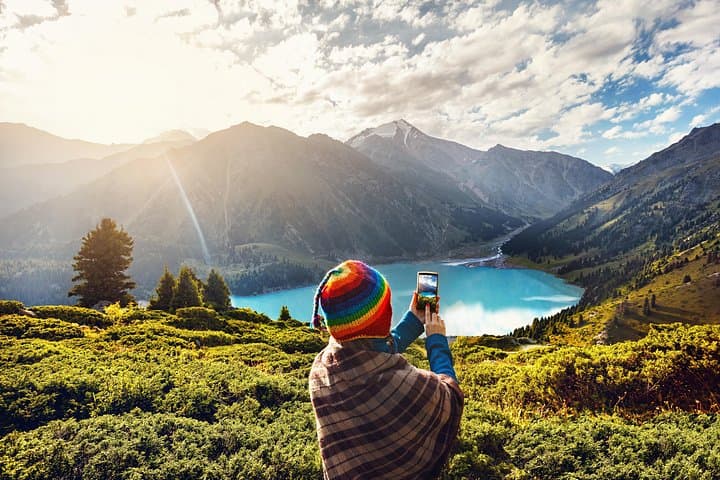
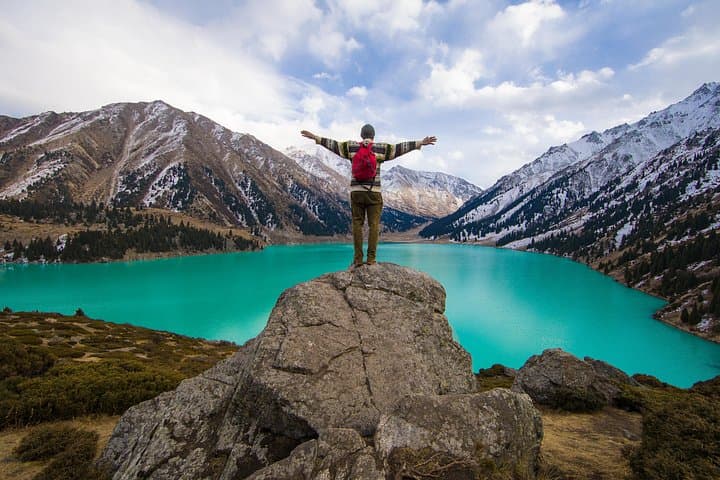
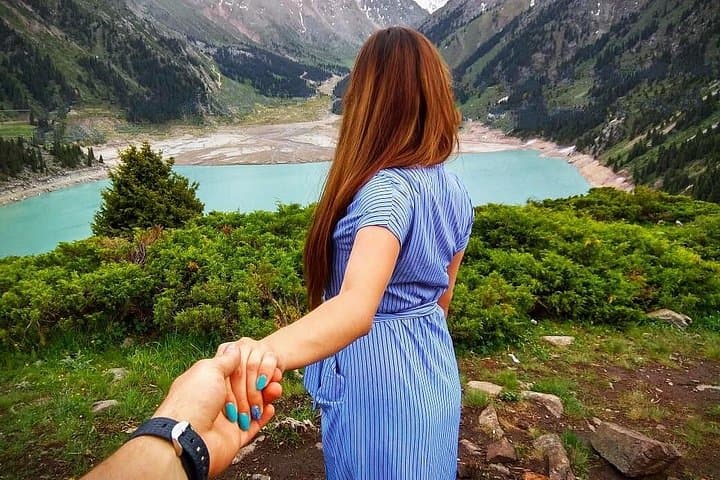
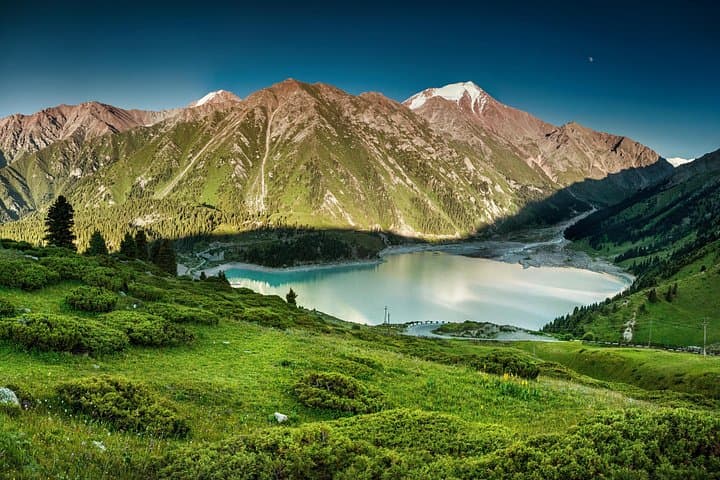
You arrive at the crest of a high mountain road and the lake opens like a cool mirror: turquoise water pushed into a cirque, snow-flecked ridges angling up behind it. Spruce-scented pines line the gorge as the guide shuts off the engine and the air, thin at 2,511 m, feels sharp and clean.
You arrive at the crest of a high mountain road and the lake opens like a cool mirror: turquoise water pushed into a cirque, snow-flecked ridges angling up behind it. Spruce-scented pines line the gorge as the guide shuts off the engine and the air, thin at 2,511 m, feels sharp and clean.
Big Almaty Lake sits in the Zailiysky Alatau, a glacial hollow shaped over millennia and now functioning as a reservoir that feeds Almaty. The immediate geology is limestone and schist, with moraine and scree below the peaks; weather can shift from sun to flurry in an hour. Culturally the area is a weekend refuge for Almaty residents and a subject of Kazakh landscape photography; there’s a small mountain café and a checkpoint at the access road where IDs are checked because the lake supplies municipal water.
On a private tour expect short, gentle walks from the main viewpoints rather than long backcountry hikes: terraces and a couple of short trails give different perspectives of the inlet, and optional quick scrambles reward wide-angle shots. Pace yourself for altitude—sip water, keep a steady breathing rhythm, and limit exertion for the first hour. Dress in layers: wind and sun both demand attention. Bring sunscreen, a hat, a sturdy pair of shoes, and your camera; the best light is often early morning or late afternoon when shadows sculpt the ridgelines. Note that access to the shoreline is usually restricted, so plan photo angles from designated spots and respect conservation rules to keep the water clean for the city below.