THE ADVENTURE COLLECTIVE® · Independent discovery and booking for outdoor travel

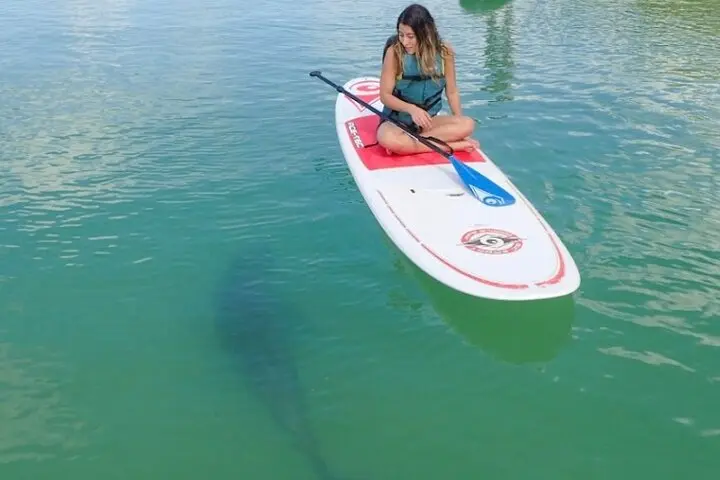
Explore Big Hickory Island by kayak or SUP — paddle mangrove tunnels, scan for dolphins and manatee, then land on a remote west beach famed for shelling. Rentals include PFDs, dry bags and annotated maps; guides coach beginners and point out recent wildlife sightings.
Explore Big Hickory Island by kayak or SUP — paddle mangrove tunnels, scan for dolphins and manatee, then land on a remote west beach famed for shelling. Rentals include PFDs, dry bags and annotated maps; guides coach beginners and point out recent wildlife sightings.
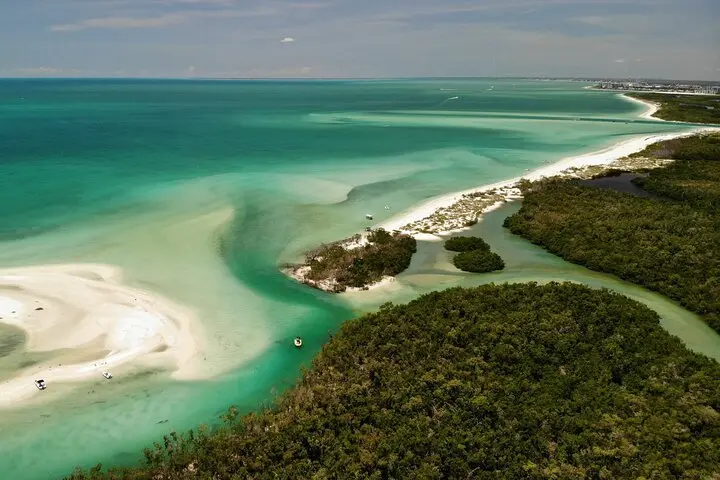
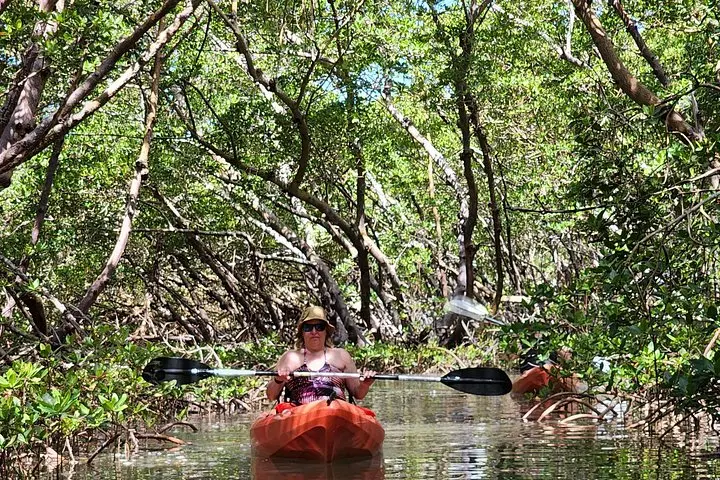
You push off from a narrow public launch and the water immediately changes tone — shallow, warm, and alive. Mangrove roots reach like fingers into the current while a web of channels opens ahead, guiding you into Estero Bay's quieter backcountry. On one side, open water flashes with dolphins; on the other, a west-facing beach waits, accessible only by paddle and regularly strewn with perfect shells.
Verified experiences and guided adventures in the surrounding area.
Operated by Adventures Kayaking · Fort Myers Beach, Florida
You push off from a narrow public launch and the water immediately changes tone — shallow, warm, and alive. Mangrove roots reach like fingers into the current while a web of channels opens ahead, guiding you into Estero Bay's quieter backcountry. On one side, open water flashes with dolphins; on the other, a west-facing beach waits, accessible only by paddle and regularly strewn with perfect shells.
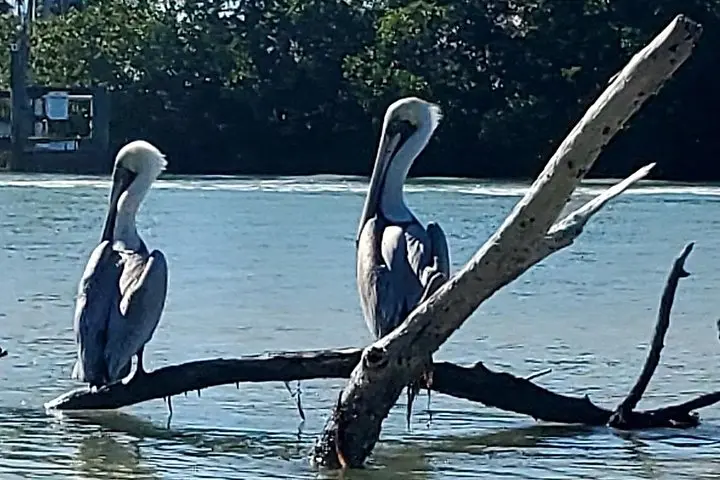
This stretch of southwest Florida sits on a low-lying carbonate shelf carved by tides and storms. The mangrove forests that fringe Big Hickory Island stabilize sediment and create the estuary habitat that supports shorebirds, fish nurseries and seasonal manatee visits (most often March–October). Human history here ranges from Calusa shell middens to 20th-century fishing camps; today recreation and conservation coexist around the bay’s protected waters.
Expect unstructured exploration: guides hand over annotated maps, point out recent wildlife sightings, and coach beginners on single and tandem kayaks or stand-up paddleboards. Routes vary with tides and wind — mangrove tunnels feel calm until a channel opens to the breeze — and the island’s west beach rewards slack-tide visits with abundant shelling.
Practical guidance: choose a morning or late-afternoon window to avoid midday heat and stronger sea breezes; check tide charts so you can enter and exit mangrove channels easily. Wear quick-dry clothing, reef-safe sunscreen and a secure footwear. Bring water, a dry bag for phones and a map or GPS pin (enter 26.366976, -81.856623). Follow Leave No Trace: pack out shells you don’t need and keep distance from marine life. Rentals typically include PFDs and dry bags; extra hours are usually available if the current is in your favor.
No — guides provide basic instruction for beginners on single, tandem kayaks and SUPs; however, renters should have a moderate level of fitness and be comfortable on the water.
Yes — the beach has no road access and is commonly reached by paddle; timing with tides makes landing easier and improves shelling conditions.
Yes — children three years and older can participate, typically riding in tandems with an adult; bring appropriate child PFDs and disclose ages when booking.
Expect shorebirds year-round, dolphins frequently, and manatees most commonly between March and October depending on water temperature and seagrass availability.
Adventures Kayaking operates guided outdoor trips and adventures with an emphasis on safety, stewardship, and memorable experiences.
You push off from a narrow public launch and the water immediately changes tone — shallow, warm, and alive. Mangrove roots reach like fingers into the current while a web of channels opens ahead, guiding you into Estero Bay's quieter backcountry. On one side, open water flashes with dolphins; on the other, a west-facing beach waits, accessible only by paddle and regularly strewn with perfect shells.
You push off from a narrow public launch and the water immediately changes tone — shallow, warm, and alive. Mangrove roots reach like fingers into the current while a web of channels opens ahead, guiding you into Estero Bay's quieter backcountry. On one side, open water flashes with dolphins; on the other, a west-facing beach waits, accessible only by paddle and regularly strewn with perfect shells.
This stretch of southwest Florida sits on a low-lying carbonate shelf carved by tides and storms. The mangrove forests that fringe Big Hickory Island stabilize sediment and create the estuary habitat that supports shorebirds, fish nurseries and seasonal manatee visits (most often March–October). Human history here ranges from Calusa shell middens to 20th-century fishing camps; today recreation and conservation coexist around the bay’s protected waters.
Expect unstructured exploration: guides hand over annotated maps, point out recent wildlife sightings, and coach beginners on single and tandem kayaks or stand-up paddleboards. Routes vary with tides and wind — mangrove tunnels feel calm until a channel opens to the breeze — and the island’s west beach rewards slack-tide visits with abundant shelling.
Practical guidance: choose a morning or late-afternoon window to avoid midday heat and stronger sea breezes; check tide charts so you can enter and exit mangrove channels easily. Wear quick-dry clothing, reef-safe sunscreen and a secure footwear. Bring water, a dry bag for phones and a map or GPS pin (enter 26.366976, -81.856623). Follow Leave No Trace: pack out shells you don’t need and keep distance from marine life. Rentals typically include PFDs and dry bags; extra hours are usually available if the current is in your favor.