THE ADVENTURE COLLECTIVE® · Independent discovery and booking for outdoor travel

Ride a UTV onto volcanic fields, plant a young coffee tree, and roast beans by hand at Ohana Ranch—minutes from Volcanoes National Park. This two-hour, small-group experience combines geology, hands-on farming, and a fresh-cup finish on the farm.
Ride a UTV onto volcanic fields, plant a young coffee tree, and roast beans by hand at Ohana Ranch—minutes from Volcanoes National Park. This two-hour, small-group experience combines geology, hands-on farming, and a fresh-cup finish on the farm.
You climb into a UTV and the ground shifts beneath you—gravel giving way to rolling fields where young coffee saplings catch the light. The air smells faintly of wet earth and citrus leaves; the land feels like it’s still settling after the island’s many fires and flows. Guides steer you past a distinctive yellow gate and onto an old sugarcane road that now routes guests through volcanic loam and native sheltering plants.
Verified experiences and guided adventures in the surrounding area.
Operated by Ohana Ranch · Volcano, Hawaii
You climb into a UTV and the ground shifts beneath you—gravel giving way to rolling fields where young coffee saplings catch the light. The air smells faintly of wet earth and citrus leaves; the land feels like it’s still settling after the island’s many fires and flows. Guides steer you past a distinctive yellow gate and onto an old sugarcane road that now routes guests through volcanic loam and native sheltering plants.
The tour threads history and geology together: this part of the Big Island was reshaped by lava flows, and the thin, mineral-rich soil that followed is what gives Hawaiian coffee its pronounced acidity and complex aroma. The property reuses 1800s cane roads and practices low-impact growing while celebrating local knowledge—farmers who read the slope, shade, and wind to select varietals.
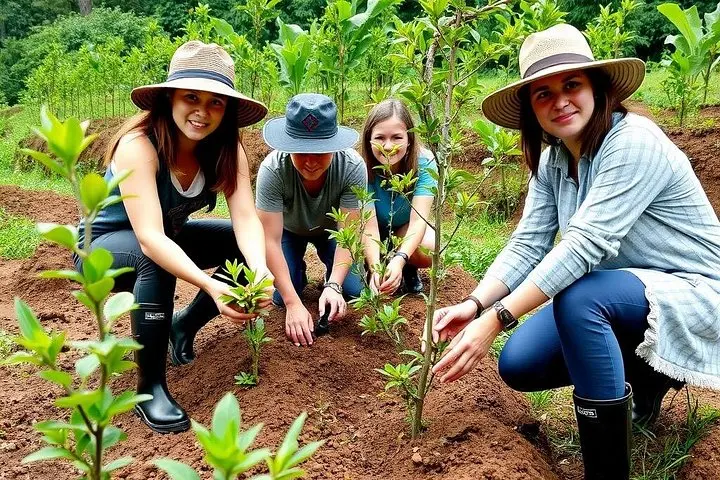
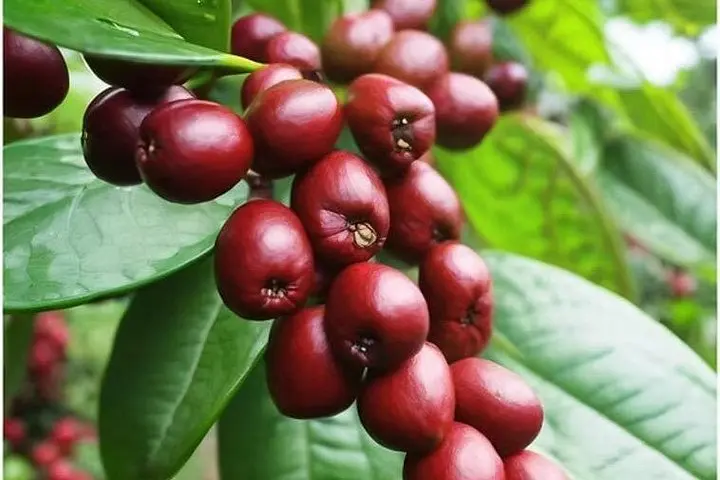
You’ll plant a young coffee tree—an act that ties you to future harvests—then step into the roasting room where green beans darken and crack, the sound punctuating the stillness. Taste comes last: a cup of coffee brewed where the beans were still minutes before.
Practical note: the UTV ride and farm walks are low-impact but uneven; closed-toe shoes and a light rain jacket are a must. Arrive 30 minutes early for check-in and allow extra time for the gravel road in. Tours run about two hours and are best booked in the morning when roasts and fieldwork are active. Bring a refillable water bottle, sun protection, and a small camera—this is hands-on, not a passive museum visit.
The tour lasts about two hours and combines a short UTV ride with light walking around the fields and the roasting station—suitable for most ages able to step into a UTV.
Yes—children can join but infants should sit on laps as noted; younger participants can plant seedlings under supervision from guides.
Yes, freshly roasted coffee is included and most farms offer beans for purchase on-site; check airline rules for carrying liquids if you plan to buy syrups or wet-processed items.
The farm has uneven surfaces and UTV boarding; contact the operator ahead of time to discuss specific mobility needs and possible accommodations.
Ohana Ranch operates guided outdoor trips and adventures with an emphasis on safety, stewardship, and memorable experiences.


You climb into a UTV and the ground shifts beneath you—gravel giving way to rolling fields where young coffee saplings catch the light. The air smells faintly of wet earth and citrus leaves; the land feels like it’s still settling after the island’s many fires and flows. Guides steer you past a distinctive yellow gate and onto an old sugarcane road that now routes guests through volcanic loam and native sheltering plants.
You climb into a UTV and the ground shifts beneath you—gravel giving way to rolling fields where young coffee saplings catch the light. The air smells faintly of wet earth and citrus leaves; the land feels like it’s still settling after the island’s many fires and flows. Guides steer you past a distinctive yellow gate and onto an old sugarcane road that now routes guests through volcanic loam and native sheltering plants.
The tour threads history and geology together: this part of the Big Island was reshaped by lava flows, and the thin, mineral-rich soil that followed is what gives Hawaiian coffee its pronounced acidity and complex aroma. The property reuses 1800s cane roads and practices low-impact growing while celebrating local knowledge—farmers who read the slope, shade, and wind to select varietals.
You’ll plant a young coffee tree—an act that ties you to future harvests—then step into the roasting room where green beans darken and crack, the sound punctuating the stillness. Taste comes last: a cup of coffee brewed where the beans were still minutes before.
Practical note: the UTV ride and farm walks are low-impact but uneven; closed-toe shoes and a light rain jacket are a must. Arrive 30 minutes early for check-in and allow extra time for the gravel road in. Tours run about two hours and are best booked in the morning when roasts and fieldwork are active. Bring a refillable water bottle, sun protection, and a small camera—this is hands-on, not a passive museum visit.