THE ADVENTURE COLLECTIVE® · Independent discovery and booking for outdoor travel

A full‑day private tour across Hawai‘i Island’s most elemental landscapes: Waipio Valley’s steep taro fields, Akaka and Rainbow Falls, black‑sand shores where honu bask, and the volcanic drama of Hawai‘i Volcanoes National Park. Expect varied terrain, cultural stops, and chances to walk lava‑carved trails.
A full‑day private tour across Hawai‘i Island’s most elemental landscapes: Waipio Valley’s steep taro fields, Akaka and Rainbow Falls, black‑sand shores where honu bask, and the volcanic drama of Hawai‘i Volcanoes National Park. Expect varied terrain, cultural stops, and chances to walk lava‑carved trails.
The day begins before the island fully wakes: a coastal mist clings to the road as your private vehicle hums north toward Waipio Valley, and the sea seems to hold its breath. From the lookout the valley drops away like a folded map—steep walls swallowing light, taro lo‘i gleaming in the lowlands, and a single river daring you toward the surf. That first view sets the tone for an eleven‑hour loop around Hawai‘i Island’s dramatic contrasts: black sand, jade pools, steam vents and hardened lava fields that still glow in memory.
Verified experiences and guided adventures in the surrounding area.
Operated by Wild Hawaii Tours · Hilo, Hawaii
The day begins before the island fully wakes: a coastal mist clings to the road as your private vehicle hums north toward Waipio Valley, and the sea seems to hold its breath. From the lookout the valley drops away like a folded map—steep walls swallowing light, taro lo‘i gleaming in the lowlands, and a single river daring you toward the surf. That first view sets the tone for an eleven‑hour loop around Hawai‘i Island’s dramatic contrasts: black sand, jade pools, steam vents and hardened lava fields that still glow in memory.
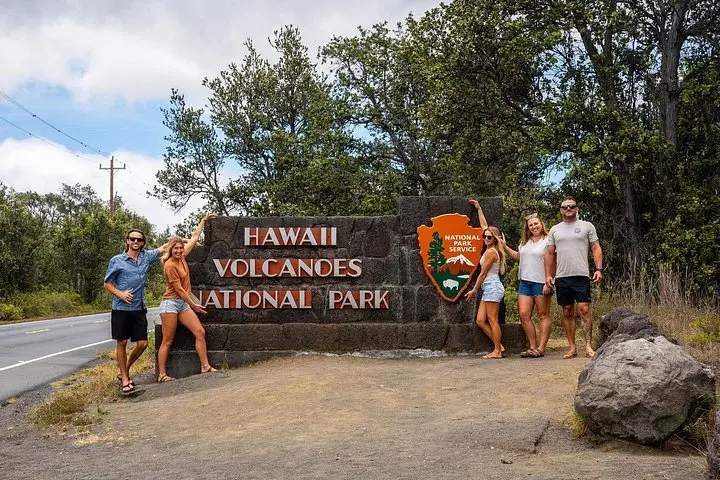
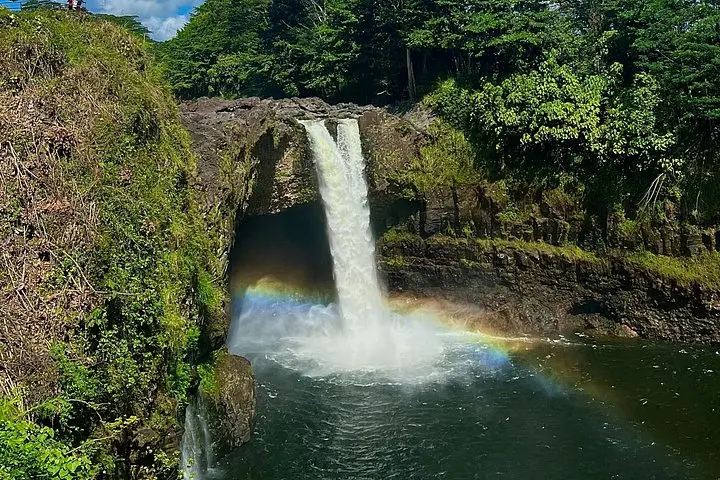
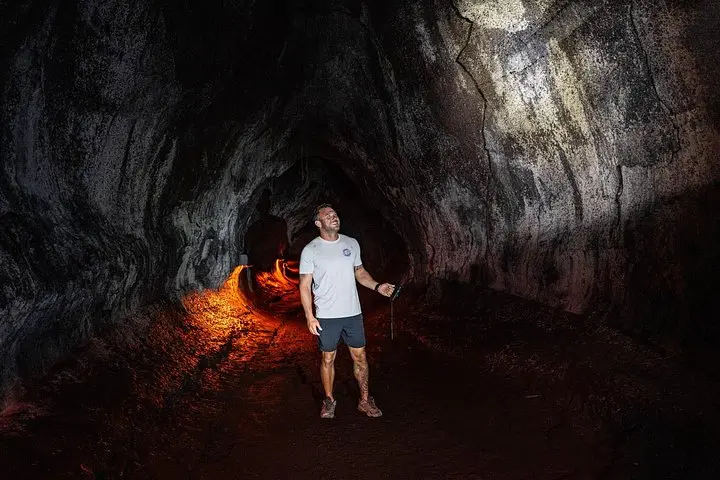
This itinerary strings together the Big Island’s geological chapters. Waipio, “Valley of the Kings,” is both living agricultural community and cultural memory of Kamehameha-era Hawai‘i where taro has been grown for generations. Along the Hamakua Coast, Akaka Falls plunges 442 feet through bamboo groves; the sound of that water gives the forest a voice. In Hilo, Rainbow Falls throws short rainbows across an 80‑foot drop when morning sun hits the mist. Later, Hawai‘i Volcanoes National Park flips the script: vast calderas, the 1959 Kīlauea Iki eruption scars and Nāhuku (Thurston) Lava Tube—where you walk through the trace of molten rivers now tamed into stone.
Geology here is immediate. Kīlauea and Mauna Loa are not ancient relics but active actors; the land is being written and rewritten. Cultural threads run beside the geology: native practices, fruit stands selling rambutan and coconut, and small villages like Volcano Village that grew around lava‑carved terrain.
Practical guide: This private tour runs roughly 8–11 hours with hotel pick‑up in Hilo or nearby resorts. Expect short walks—Akaka Falls’ half‑mile loop and a 3–4 mile option across Kīlauea Iki if you choose to hike. Terrain varies from paved overlooks and boardwalks to uneven volcanic rock and rainforest paths; bring sturdy shoes. The tour includes bottled water, snacks, and time for a lunch stop in Hilo or Volcano Village.
Safety and etiquette matter: volcanic gases can be hazardous—follow ranger warnings and keep to designated trails. At Richardson Ocean Park and other beaches, observe honu (green sea turtles) from a distance; never touch or approach them. Weather shifts quickly: bring a lightweight rain jacket and layers for cooler upland air.
For photographers and explorers, this route offers tight, verdant waterfalls, broad volcanic panoramas and intimate coastal moments. With a private vehicle and guide, you get flexibility—more time at viewpoints, a stop at a fruit stand tasting fresh pineapple or coconut, and a paced way to experience the raw, evolving landscape of the Big Island.
The private tour lasts approximately 8–11 hours depending on pick‑up location and time spent at each stop.
Surface lava flows are intermittent and depend on current activity; guides will take you to safe viewpoints in Hawai‘i Volcanoes National Park, but active flows are not guaranteed.
Yes—it's suitable for families; infant seats and stroller access are available, but some short walks include uneven surfaces.
Entrance to Hawai‘i Volcanoes National Park is typically not included—check booking details or plan to pay the park entrance fee on arrival.
Access to the valley floor requires a 4x4 vehicle and local permission; the tour visits the lookout and valley edge unless a specific downhill stop is arranged in advance.
Observe from a distance (at least 10 feet), do not touch or harass the turtle, and avoid blocking its path to or from the sea.
Wild Hawaii Tours operates guided outdoor trips and adventures with an emphasis on safety, stewardship, and memorable experiences.
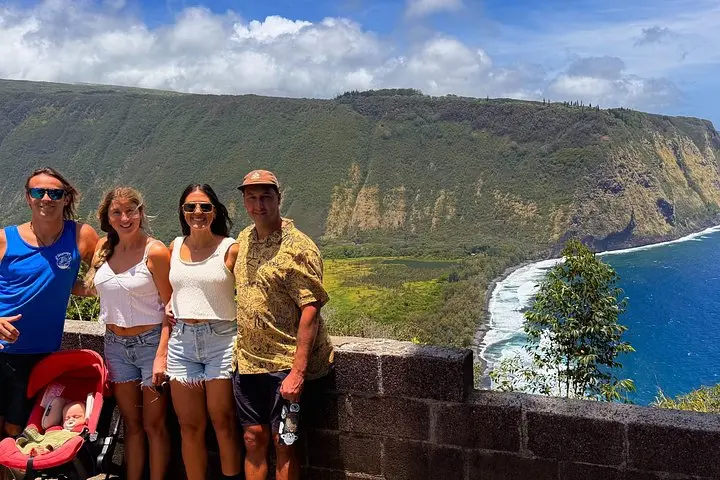
The day begins before the island fully wakes: a coastal mist clings to the road as your private vehicle hums north toward Waipio Valley, and the sea seems to hold its breath. From the lookout the valley drops away like a folded map—steep walls swallowing light, taro lo‘i gleaming in the lowlands, and a single river daring you toward the surf. That first view sets the tone for an eleven‑hour loop around Hawai‘i Island’s dramatic contrasts: black sand, jade pools, steam vents and hardened lava fields that still glow in memory.
The day begins before the island fully wakes: a coastal mist clings to the road as your private vehicle hums north toward Waipio Valley, and the sea seems to hold its breath. From the lookout the valley drops away like a folded map—steep walls swallowing light, taro lo‘i gleaming in the lowlands, and a single river daring you toward the surf. That first view sets the tone for an eleven‑hour loop around Hawai‘i Island’s dramatic contrasts: black sand, jade pools, steam vents and hardened lava fields that still glow in memory.
This itinerary strings together the Big Island’s geological chapters. Waipio, “Valley of the Kings,” is both living agricultural community and cultural memory of Kamehameha-era Hawai‘i where taro has been grown for generations. Along the Hamakua Coast, Akaka Falls plunges 442 feet through bamboo groves; the sound of that water gives the forest a voice. In Hilo, Rainbow Falls throws short rainbows across an 80‑foot drop when morning sun hits the mist. Later, Hawai‘i Volcanoes National Park flips the script: vast calderas, the 1959 Kīlauea Iki eruption scars and Nāhuku (Thurston) Lava Tube—where you walk through the trace of molten rivers now tamed into stone.
Geology here is immediate. Kīlauea and Mauna Loa are not ancient relics but active actors; the land is being written and rewritten. Cultural threads run beside the geology: native practices, fruit stands selling rambutan and coconut, and small villages like Volcano Village that grew around lava‑carved terrain.
Practical guide: This private tour runs roughly 8–11 hours with hotel pick‑up in Hilo or nearby resorts. Expect short walks—Akaka Falls’ half‑mile loop and a 3–4 mile option across Kīlauea Iki if you choose to hike. Terrain varies from paved overlooks and boardwalks to uneven volcanic rock and rainforest paths; bring sturdy shoes. The tour includes bottled water, snacks, and time for a lunch stop in Hilo or Volcano Village.
Safety and etiquette matter: volcanic gases can be hazardous—follow ranger warnings and keep to designated trails. At Richardson Ocean Park and other beaches, observe honu (green sea turtles) from a distance; never touch or approach them. Weather shifts quickly: bring a lightweight rain jacket and layers for cooler upland air.
For photographers and explorers, this route offers tight, verdant waterfalls, broad volcanic panoramas and intimate coastal moments. With a private vehicle and guide, you get flexibility—more time at viewpoints, a stop at a fruit stand tasting fresh pineapple or coconut, and a paced way to experience the raw, evolving landscape of the Big Island.