THE ADVENTURE COLLECTIVE® · Independent discovery and booking for outdoor travel

Spend a day on the Big Island to see Kilauea, black sand beaches, Kona coffee country, and Thurston Lava Tube. This full-day trip pairs dramatic volcanic landscapes with cultural and geological context—ideal for travelers who want a concentrated, manageable taste of Hawaii’s newest land.
Spend a day on the Big Island to see Kilauea, black sand beaches, Kona coffee country, and Thurston Lava Tube. This full-day trip pairs dramatic volcanic landscapes with cultural and geological context—ideal for travelers who want a concentrated, manageable taste of Hawaii’s newest land.
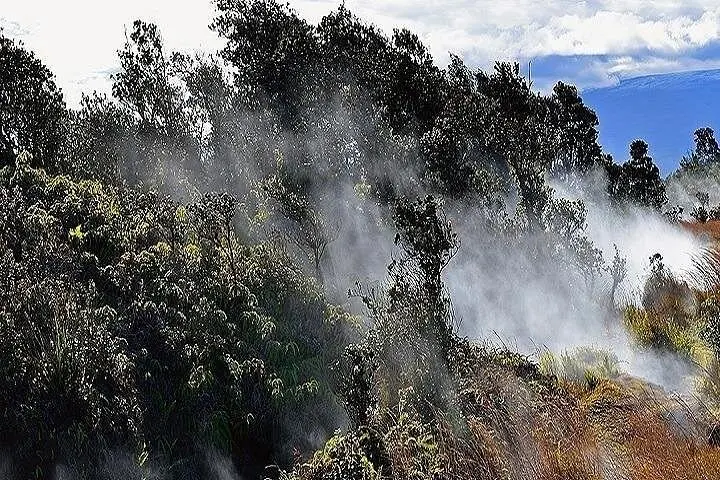
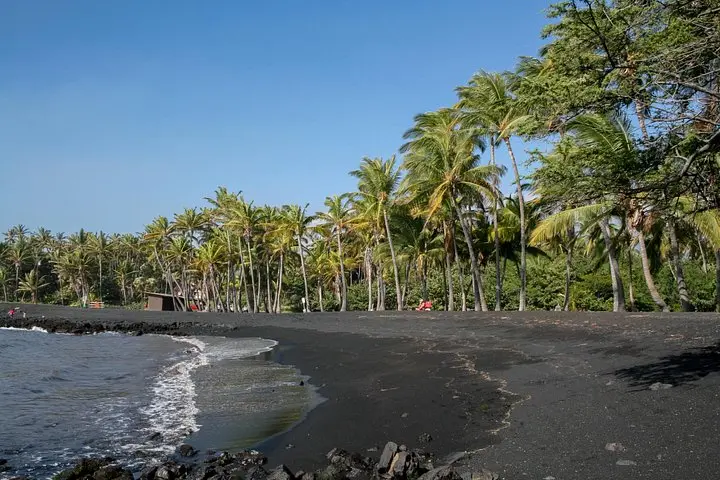
You step off the short inter-island flight into air that tastes faintly of sea salt and sulfur, the horizon a low line of black rock and green brush. The day moves fast: a drive across Kona’s coffee belt, the crunch of Punaluʻu black sand underfoot, and finally the raw openness of Hawaii Volcanoes National Park where steam vents pulse like a living breath.
Verified experiences and guided adventures in the surrounding area.
Operated by Pearl Harbor Oahu · Volcano, Hawaii
You step off the short inter-island flight into air that tastes faintly of sea salt and sulfur, the horizon a low line of black rock and green brush. The day moves fast: a drive across Kona’s coffee belt, the crunch of Punaluʻu black sand underfoot, and finally the raw openness of Hawaii Volcanoes National Park where steam vents pulse like a living breath.
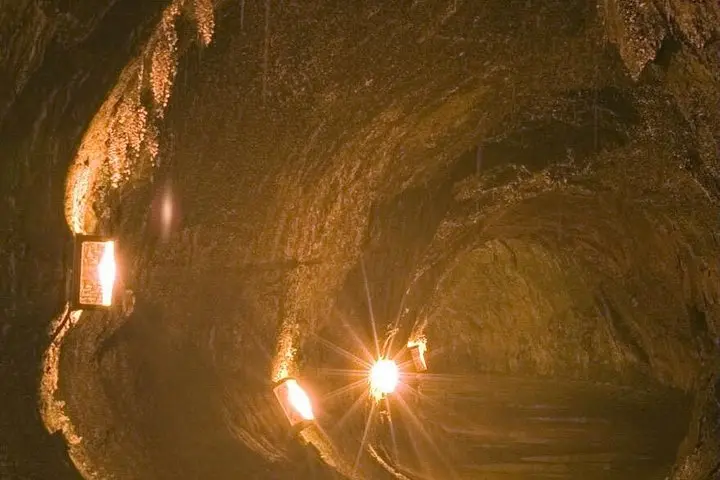
Kilauea is one of the world’s most active volcanoes and a recent sculptor of the Big Island’s youngest landscapes. Geology here reads like a timeline — fresh pahoehoe flows, collapsed calderas, and lava tubes that hollowed from once-molten rivers. Cultural threads run through the park: Native Hawaiian traditions regard the land and Pele, the volcano goddess, as living presences; park signage and the visitor center outline both science and story.
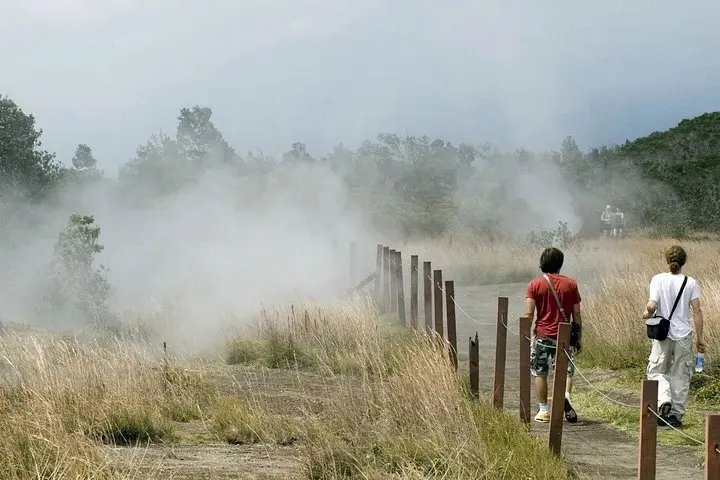
Expect short paved overlooks and easy forest walks — most stops involve under 0.5 miles of walking with minimal elevation gain, though some viewpoints sit near 4,000 ft and feel noticeably cooler. Practical planning matters: this is a long, full-day excursion (roughly 12–13 hours) with included round-trip airfare to Kona, park admission, and guided stops. Bring layered clothing for changing temperatures and vog, at least 1–2 liters of water, sunscreen, and comfortable shoes for uneven lava rock. Follow park routes closely: steam vents and fresh flows are energetic and unstable — admire from marked overlooks.
Timing your visit around trade winds reduces vog and improves visibility. Incorporate local bites — Kona coffee and Punaluʻu sweet bread are good, portable options. The day balances spectacle with logistics: it’s an active landscape you’ll witness, not command.
Lava visibility depends on current volcanic activity and park access; many tours show steam vents, fresh flows, and lava-formed features, but molten lava is not guaranteed.
Yes — round-trip airfare to Kona from Kahului (Maui) is included in this tour's package.
Several overlooks and short paths are paved and accessible, but some viewpoints and beach access involve uneven or sandy terrain—check specific stops with the operator.
Yes, the itinerary typically includes no-host meal stops and restroom facilities at main visitor centers and town stops, but plan for stretches without services during drives.
Pearl Harbor Oahu operates guided outdoor trips and adventures with an emphasis on safety, stewardship, and memorable experiences.
You step off the short inter-island flight into air that tastes faintly of sea salt and sulfur, the horizon a low line of black rock and green brush. The day moves fast: a drive across Kona’s coffee belt, the crunch of Punaluʻu black sand underfoot, and finally the raw openness of Hawaii Volcanoes National Park where steam vents pulse like a living breath.
You step off the short inter-island flight into air that tastes faintly of sea salt and sulfur, the horizon a low line of black rock and green brush. The day moves fast: a drive across Kona’s coffee belt, the crunch of Punaluʻu black sand underfoot, and finally the raw openness of Hawaii Volcanoes National Park where steam vents pulse like a living breath.
Kilauea is one of the world’s most active volcanoes and a recent sculptor of the Big Island’s youngest landscapes. Geology here reads like a timeline — fresh pahoehoe flows, collapsed calderas, and lava tubes that hollowed from once-molten rivers. Cultural threads run through the park: Native Hawaiian traditions regard the land and Pele, the volcano goddess, as living presences; park signage and the visitor center outline both science and story.
Expect short paved overlooks and easy forest walks — most stops involve under 0.5 miles of walking with minimal elevation gain, though some viewpoints sit near 4,000 ft and feel noticeably cooler. Practical planning matters: this is a long, full-day excursion (roughly 12–13 hours) with included round-trip airfare to Kona, park admission, and guided stops. Bring layered clothing for changing temperatures and vog, at least 1–2 liters of water, sunscreen, and comfortable shoes for uneven lava rock. Follow park routes closely: steam vents and fresh flows are energetic and unstable — admire from marked overlooks.
Timing your visit around trade winds reduces vog and improves visibility. Incorporate local bites — Kona coffee and Punaluʻu sweet bread are good, portable options. The day balances spectacle with logistics: it’s an active landscape you’ll witness, not command.