
Big Island Volcano & Hilo Highlights Day Tour — Waterfalls, Black Sand Beaches and Lava Tubes
Spend a day with a Native Hawaiian guide exploring Kīlauea, lava tubes, black sand beaches and Hilo’s waterfalls. This fully guided 6–7 hour tour combines geology, culture and hands-on local flavor with accessible short walks and scenic overlooks.
An Adventure In Hilo.
Spend a day with a Native Hawaiian guide exploring Kīlauea, lava tubes, black sand beaches and Hilo’s waterfalls. This fully guided 6–7 hour tour combines geology, culture and hands-on local flavor with accessible short walks and scenic overlooks.
Read the full experience
Morning fog lifts off Hilo Bay and the van eases east toward a landscape that still feels alive — steam plumes rise like exhalations from the earth, and black sand smolders under the sun’s attention. On this six- to seven-hour circuit, a Native Hawaiian guide steers the story: Kīlauea’s crater rim, ancient lava tubes, a black sand beach where honu (green sea turtles) shift through tide pools, and cascading waterfalls that throw rainbows into the mist.
Morning fog lifts off Hilo Bay and the van eases east toward a landscape that still feels alive — steam plumes rise like exhalations from the earth, and black sand smolders under the sun’s attention. On this six- to seven-hour circuit, a Native Hawaiian guide steers the story: Kīlauea’s crater rim, ancient lava tubes, a black sand beach where honu (green sea turtles) shift through tide pools, and cascading waterfalls that throw rainbows into the mist.
Geology here is immediate. Kīlauea is among the world’s most active volcanoes; its obsidian flows and cave-like tubes record repeated eruptions and slow, glacial cooling of molten rock. Hilo’s soils and gardens are products of that volcanic work — tropical flora that colonized fresh rock over centuries. The tour threads local culture through stops at the Hilo Farmers Market and small confection makers, giving context to the island’s foodways and the role of ʻāina (land) in Hawaiian identity.
Expect mostly short walks and viewpoints rather than long hikes: paved overlooks, boardwalks through steam vents, a descent into a lava tube with steady footing, and a beach stroll on sharp, volcanic sand. Timing matters—midday can be hot and humid in lowlands; mornings near the crater are cooler and windier.
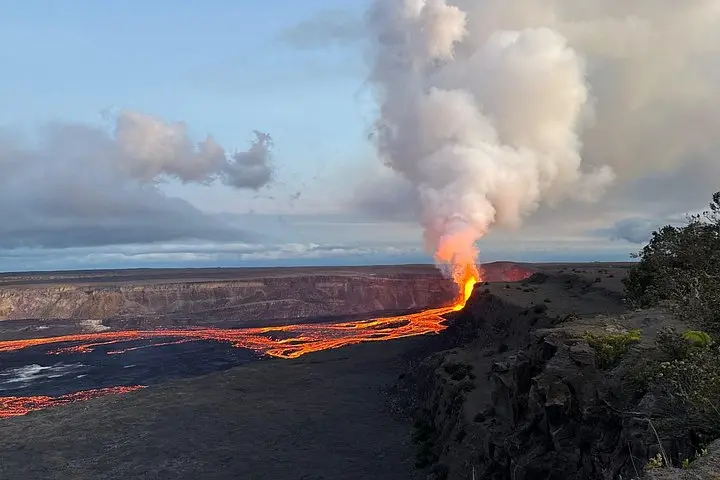
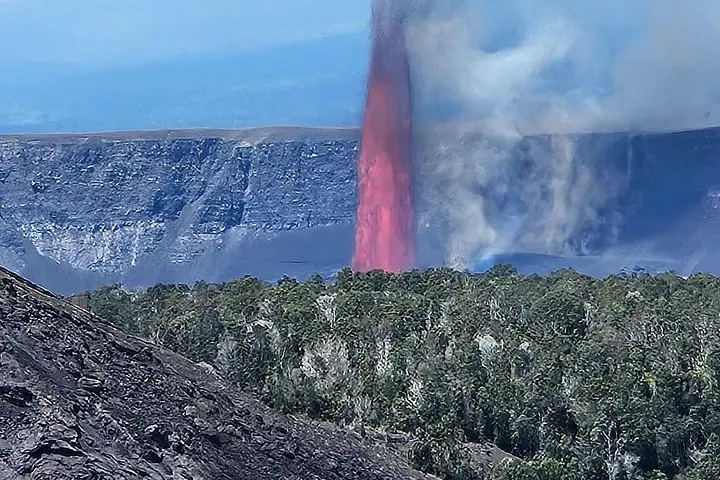
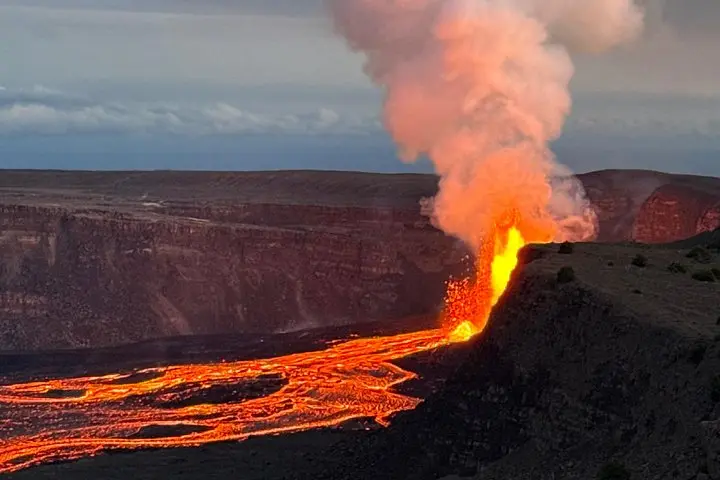
Practical advice: wear sturdy shoes that can handle wet rock and reef fragments, carry a rain shell and plenty of water, and bring sunscreen and a hat. If you want to see recent lava activity, check official park alerts; volcanic conditions change rapidly and guides prioritize safety and park rules.
Frequently asked questions
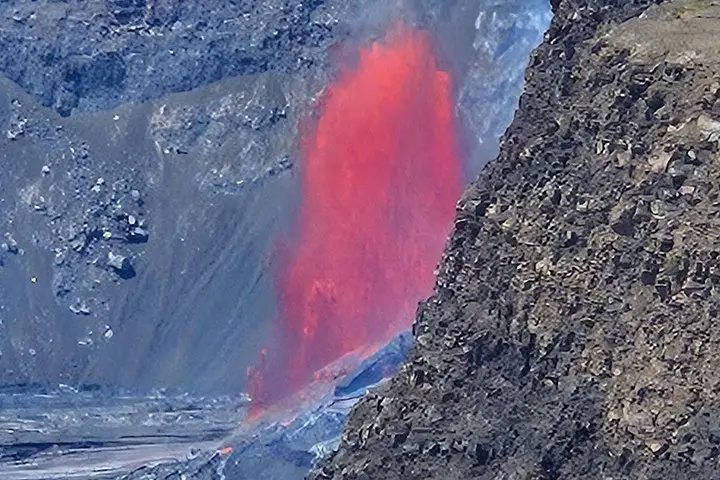
Active lava viewing depends on current volcanic activity and park access; guides visit Kīlauea overlooks and steam vents but recent surface flows are intermittent—check park alerts before booking.
Yes for many families and older travelers; expect short walks and periods of standing. Inform the operator about mobility needs and consider difficulty with uneven terrain.
Bottled water is provided; lunch is on your own during the Hilo market stop where local food vendors and restaurants are available.
Pickup options include Hilo airport, cruise terminal meeting points and select hotels; confirm your pickup location and arrive 10–15 minutes early.
About This Experience
Makaio Tours Hawaii operates guided outdoor trips and adventures with an emphasis on safety, stewardship, and memorable experiences.
Adventure tips
Recommended gear
- Sturdy hiking shoes: Protects feet on sharp black sand, lava rock and wet boardwalks.
- Light rain jacket: Quick showers are common in Hilo year-round; a packable shell keeps you dry.
- Reusable water bottle: Reduces waste and keeps you hydrated in humid conditions.
- Sun hat & reef-safe sunscreen: Sun protection for lowland stops and beach time; reef-safe formulas protect marine life.
Photos of the experience
Related adventures & guides
Read the full experience
Morning fog lifts off Hilo Bay and the van eases east toward a landscape that still feels alive — steam plumes rise like exhalations from the earth, and black sand smolders under the sun’s attention. On this six- to seven-hour circuit, a Native Hawaiian guide steers the story: Kīlauea’s crater rim, ancient lava tubes, a black sand beach where honu (green sea turtles) shift through tide pools, and cascading waterfalls that throw rainbows into the mist.
Morning fog lifts off Hilo Bay and the van eases east toward a landscape that still feels alive — steam plumes rise like exhalations from the earth, and black sand smolders under the sun’s attention. On this six- to seven-hour circuit, a Native Hawaiian guide steers the story: Kīlauea’s crater rim, ancient lava tubes, a black sand beach where honu (green sea turtles) shift through tide pools, and cascading waterfalls that throw rainbows into the mist.
Geology here is immediate. Kīlauea is among the world’s most active volcanoes; its obsidian flows and cave-like tubes record repeated eruptions and slow, glacial cooling of molten rock. Hilo’s soils and gardens are products of that volcanic work — tropical flora that colonized fresh rock over centuries. The tour threads local culture through stops at the Hilo Farmers Market and small confection makers, giving context to the island’s foodways and the role of ʻāina (land) in Hawaiian identity.
Expect mostly short walks and viewpoints rather than long hikes: paved overlooks, boardwalks through steam vents, a descent into a lava tube with steady footing, and a beach stroll on sharp, volcanic sand. Timing matters—midday can be hot and humid in lowlands; mornings near the crater are cooler and windier.
Practical advice: wear sturdy shoes that can handle wet rock and reef fragments, carry a rain shell and plenty of water, and bring sunscreen and a hat. If you want to see recent lava activity, check official park alerts; volcanic conditions change rapidly and guides prioritize safety and park rules.
Make a day of it nearby.
Verified experiences and guided adventures in the surrounding area.