THE ADVENTURE COLLECTIVE® · Independent discovery and booking for outdoor travel

Head out from Kailua-Kona aboard a 26-person catamaran to watch migrating humpbacks in peak breaching season. This 2.5-hour narrated tour includes snacks, a restroom onboard and a sightings guarantee.
Head out from Kailua-Kona aboard a 26-person catamaran to watch migrating humpbacks in peak breaching season. This 2.5-hour narrated tour includes snacks, a restroom onboard and a sightings guarantee.
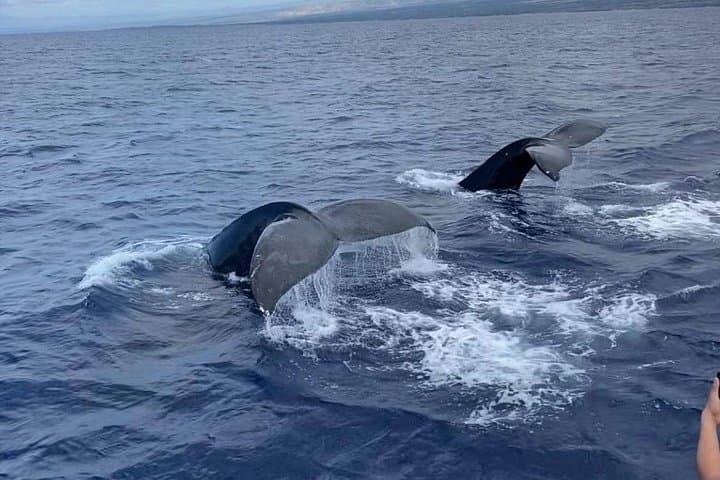
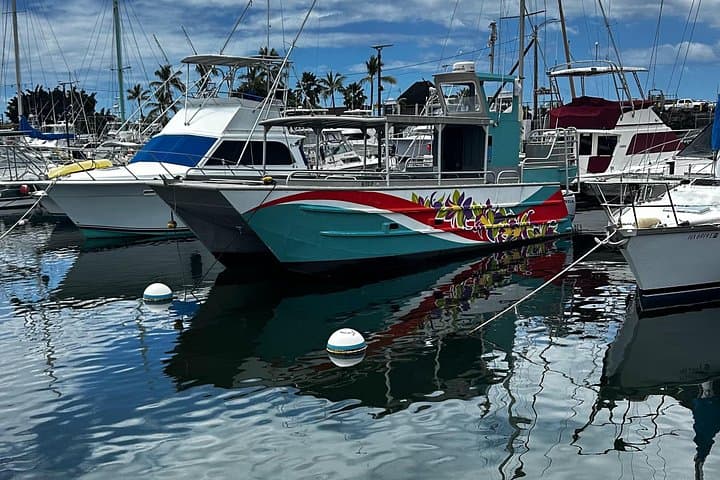
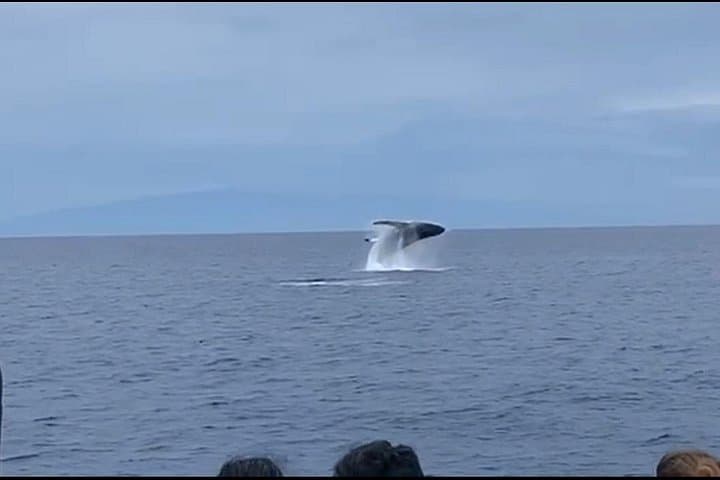
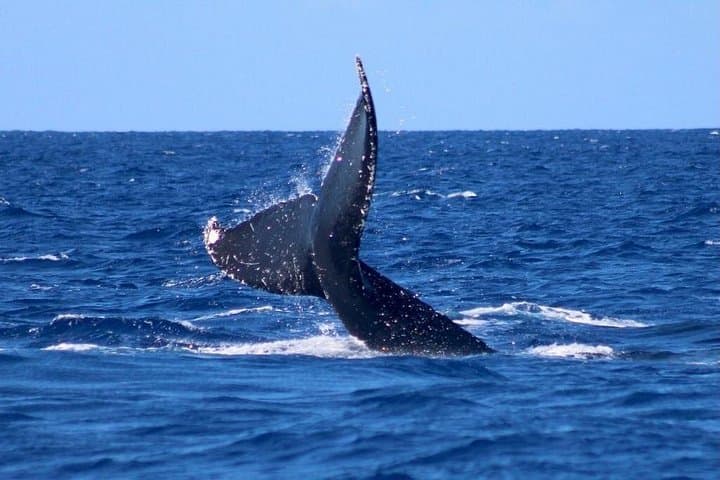
The catamaran slips out of the harbor like a low, patient creature, spray catching the morning sun as the coastline narrows and the open Pacific opens up. Within minutes the Island’s volcanic profiles—dark ridges and younger lava flows—fall away and the ocean takes over, its surface suddenly punctuated by the arch of a humpback tail or the violent joy of a breach. The tour’s small 26-passenger catamaran keeps you close enough for drama but far enough to let the animals own the moment.
Verified experiences and guided adventures in the surrounding area.
Operated by Kona Coast Boat Tours · Kailua-Kona, Hawaii
The catamaran slips out of the harbor like a low, patient creature, spray catching the morning sun as the coastline narrows and the open Pacific opens up. Within minutes the Island’s volcanic profiles—dark ridges and younger lava flows—fall away and the ocean takes over, its surface suddenly punctuated by the arch of a humpback tail or the violent joy of a breach. The tour’s small 26-passenger catamaran keeps you close enough for drama but far enough to let the animals own the moment.
Humpback whales travel thousands of miles to Hawaii each winter to breed and calve; their arrival is as much ecological rhythm as cultural signpost for islanders. Geologically, the Big Island is still forming—underwater slopes and deep channels create feeding corridors whales use on approach. Local guides often weave in Hawaiian place names and protocols for respectful viewing, emphasizing the long-held cultural respect for marine life.
Expect narrated stops where guides identify blows, tail flukes and social groups, and a float-plan that follows NOAA guidelines for approach distances. The trip runs about 2.5 hours, includes bottled water and snacks, and has an onboard restroom. Practical prep matters: bring sun protection, a stable pair of shoes for boarding, motion-sickness remedies if you’re prone, and a camera with a zoom.
Meeting is at the small-harbor parking area (look for the red-topped public bathroom). Tours run highest in winter (Dec–Apr) when breaching peaks; operators commonly guarantee sightings or a return ride. Keep your phone charged, listen to the crew’s safety briefing, and read the ocean—these animals decide the show.
Peak humpback season is typically December through April; breaching and mother-calf behavior are most common in mid-winter months.
This operator promises a sighting during the booked trip or a return trip free—check their specific policy at booking and keep tickets for rebooking.
Yes—there is a restroom on the catamaran and bottled water, light refreshments and snacks are provided.
Infants must sit on laps and the trip is family-friendly, but it’s not recommended for travelers with spinal injuries or severe mobility limits—consult the operator if unsure.
Kona Coast Boat Tours operates guided outdoor trips and adventures with an emphasis on safety, stewardship, and memorable experiences.
The catamaran slips out of the harbor like a low, patient creature, spray catching the morning sun as the coastline narrows and the open Pacific opens up. Within minutes the Island’s volcanic profiles—dark ridges and younger lava flows—fall away and the ocean takes over, its surface suddenly punctuated by the arch of a humpback tail or the violent joy of a breach. The tour’s small 26-passenger catamaran keeps you close enough for drama but far enough to let the animals own the moment.
The catamaran slips out of the harbor like a low, patient creature, spray catching the morning sun as the coastline narrows and the open Pacific opens up. Within minutes the Island’s volcanic profiles—dark ridges and younger lava flows—fall away and the ocean takes over, its surface suddenly punctuated by the arch of a humpback tail or the violent joy of a breach. The tour’s small 26-passenger catamaran keeps you close enough for drama but far enough to let the animals own the moment.
Humpback whales travel thousands of miles to Hawaii each winter to breed and calve; their arrival is as much ecological rhythm as cultural signpost for islanders. Geologically, the Big Island is still forming—underwater slopes and deep channels create feeding corridors whales use on approach. Local guides often weave in Hawaiian place names and protocols for respectful viewing, emphasizing the long-held cultural respect for marine life.
Expect narrated stops where guides identify blows, tail flukes and social groups, and a float-plan that follows NOAA guidelines for approach distances. The trip runs about 2.5 hours, includes bottled water and snacks, and has an onboard restroom. Practical prep matters: bring sun protection, a stable pair of shoes for boarding, motion-sickness remedies if you’re prone, and a camera with a zoom.
Meeting is at the small-harbor parking area (look for the red-topped public bathroom). Tours run highest in winter (Dec–Apr) when breaching peaks; operators commonly guarantee sightings or a return ride. Keep your phone charged, listen to the crew’s safety briefing, and read the ocean—these animals decide the show.