THE ADVENTURE COLLECTIVE® · Independent discovery and booking for outdoor travel

Walk shaded rows of cacao and coffee in Bijagua and taste pineapples straight from the field on a family-run farm tour near Río Celeste. This 3–4 hour experience combines bean-to-bar chocolate demos, fresh coffee cupping, and a hands-on look at organic pineapple cultivation.
Walk shaded rows of cacao and coffee in Bijagua and taste pineapples straight from the field on a family-run farm tour near Río Celeste. This 3–4 hour experience combines bean-to-bar chocolate demos, fresh coffee cupping, and a hands-on look at organic pineapple cultivation.
You arrive along a gravel lane where humid morning air brings the sharp sweetness of pineapple and the warm, bitter note of roasting coffee. Local hands guide you into shaded rows of cacao and coffee; sunlight filters through palm fronds while distant ridgelines of Tenorio lift blue and green beyond the farm.
Verified experiences and guided adventures in the surrounding area.
Operated by Essencia Costa Rica · Bijagua, Alajuela
You arrive along a gravel lane where humid morning air brings the sharp sweetness of pineapple and the warm, bitter note of roasting coffee. Local hands guide you into shaded rows of cacao and coffee; sunlight filters through palm fronds while distant ridgelines of Tenorio lift blue and green beyond the farm.
The farm sits in Bijagua de Upala, a farming pocket shaped by volcanic soils from Tenorio and the hydrology that feeds Río Celeste. Cacao here has been part of local subsistence and trade for generations; coffee cultivation followed in the 19th century when Costa Rica reoriented toward export crops. Culture on the farm is practical and familial — demonstrations emphasize traditional bean-to-bar craft, small-batch roasting, and hands-on pineapple harvesting rather than industrial processing.
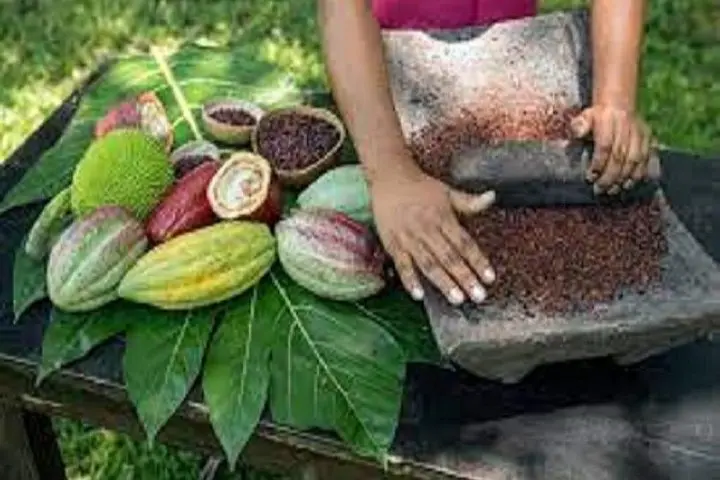
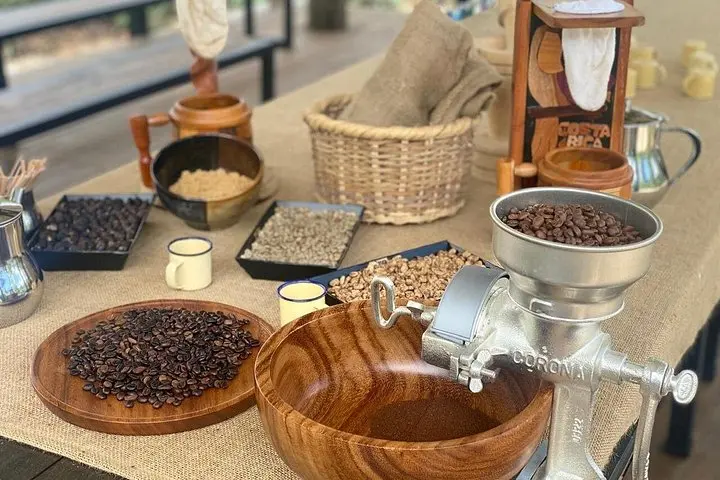
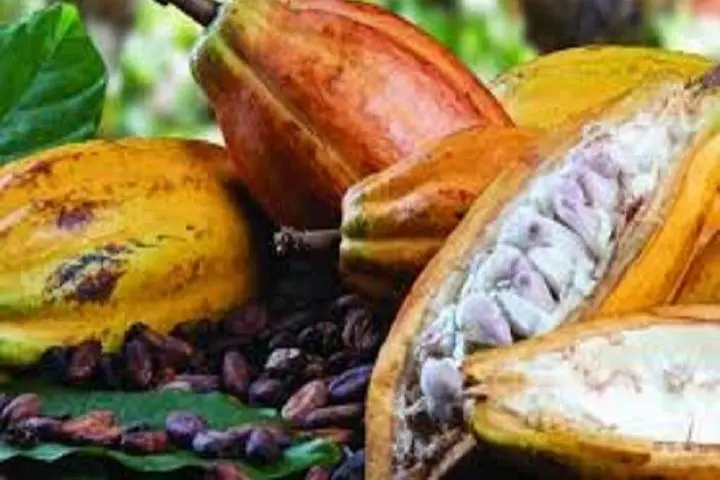
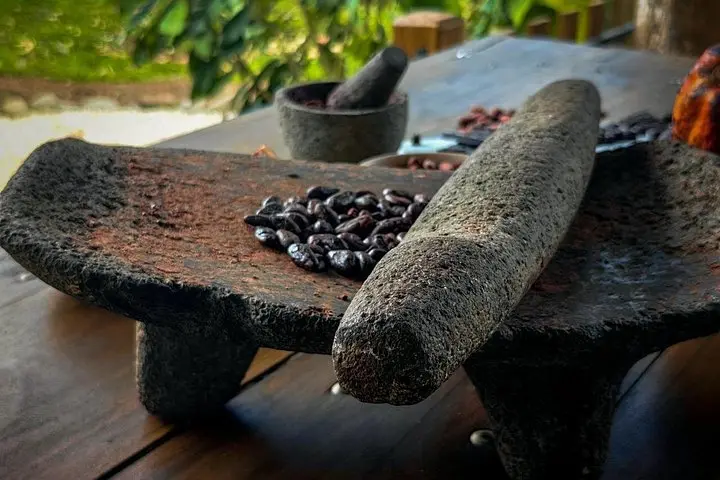
Expect four stations over roughly 3–4 hours: a cacao walk with fermentation and drying explanations; a bean-to-bar chocolate demo with tastings; a pineapple field visit and fresh-slice tasting; and a coffee talk covering picking, roasting, and cupping. Terrain is easy—packed dirt paths and gentle slopes—suitable for families and most fitness levels.
Practical notes: bring a reusable water bottle, breathable layers, and footwear that can handle damp soil. Mornings are cooler and insect activity rises mid-afternoon, so plan tastings early. The visit supports local livelihoods and sustainable projects, so consider bringing small cash for on-site purchases. Whether you’re pairing a dark chocolate nib with a bright cup of freshly roasted coffee or learning fermentation’s role in flavor, this tour puts Costa Rican taste straight into your hands.
The tour runs about 3–4 hours and includes four 30–40 minute stations: cacao, chocolate demo, pineapple field, and coffee tasting.
Yes — the farm is family-run and suitable for children; stroller access is possible on compacted paths, though some sections are uneven.
Yes — fresh pineapple, artisanal chocolate samples, and a coffee tasting are included as part of the experience.
This listing is self-drive friendly; confirm with the operator for pickup options, but most visitors drive from Bijagua or Río Celeste area.
Essencia Costa Rica operates guided outdoor trips and adventures with an emphasis on safety, stewardship, and memorable experiences.
You arrive along a gravel lane where humid morning air brings the sharp sweetness of pineapple and the warm, bitter note of roasting coffee. Local hands guide you into shaded rows of cacao and coffee; sunlight filters through palm fronds while distant ridgelines of Tenorio lift blue and green beyond the farm.
You arrive along a gravel lane where humid morning air brings the sharp sweetness of pineapple and the warm, bitter note of roasting coffee. Local hands guide you into shaded rows of cacao and coffee; sunlight filters through palm fronds while distant ridgelines of Tenorio lift blue and green beyond the farm.
The farm sits in Bijagua de Upala, a farming pocket shaped by volcanic soils from Tenorio and the hydrology that feeds Río Celeste. Cacao here has been part of local subsistence and trade for generations; coffee cultivation followed in the 19th century when Costa Rica reoriented toward export crops. Culture on the farm is practical and familial — demonstrations emphasize traditional bean-to-bar craft, small-batch roasting, and hands-on pineapple harvesting rather than industrial processing.
Expect four stations over roughly 3–4 hours: a cacao walk with fermentation and drying explanations; a bean-to-bar chocolate demo with tastings; a pineapple field visit and fresh-slice tasting; and a coffee talk covering picking, roasting, and cupping. Terrain is easy—packed dirt paths and gentle slopes—suitable for families and most fitness levels.
Practical notes: bring a reusable water bottle, breathable layers, and footwear that can handle damp soil. Mornings are cooler and insect activity rises mid-afternoon, so plan tastings early. The visit supports local livelihoods and sustainable projects, so consider bringing small cash for on-site purchases. Whether you’re pairing a dark chocolate nib with a bright cup of freshly roasted coffee or learning fermentation’s role in flavor, this tour puts Costa Rican taste straight into your hands.