THE ADVENTURE COLLECTIVE® · Independent discovery and booking for outdoor travel

Spend a private half-day in Bijagua combining a cocoa plantation walk with forest sloth spotting and a guided frogs-and-snakes visit. This accessible tour blends farm history, volcanic soils and close wildlife encounters with a local casado lunch.
Spend a private half-day in Bijagua combining a cocoa plantation walk with forest sloth spotting and a guided frogs-and-snakes visit. This accessible tour blends farm history, volcanic soils and close wildlife encounters with a local casado lunch.
You push through a fringe of palm and broadleaf where humid air smells faintly of earth and fermenting cocoa pods; high above, a three-toed sloth regards you slowly as a chorus of frogs answers from a nearby creek.
Verified experiences and guided adventures in the surrounding area.
Operated by Costa Rica Getaround · Bijagua, Alajuela
You push through a fringe of palm and broadleaf where humid air smells faintly of earth and fermenting cocoa pods; high above, a three-toed sloth regards you slowly as a chorus of frogs answers from a nearby creek.
This private Bijagua tour strings together a cocoa plantation walk, a sloth-focused forest stroll and a guided visit to a private amphibian and snake collection — all within the shadow of Tenorio’s volcanic soils. The area’s volcanic origin created rich, well-draining soils ideal for cacao and a mosaic of habitat that supports amphibians, migratory birds and slow-moving mammals.
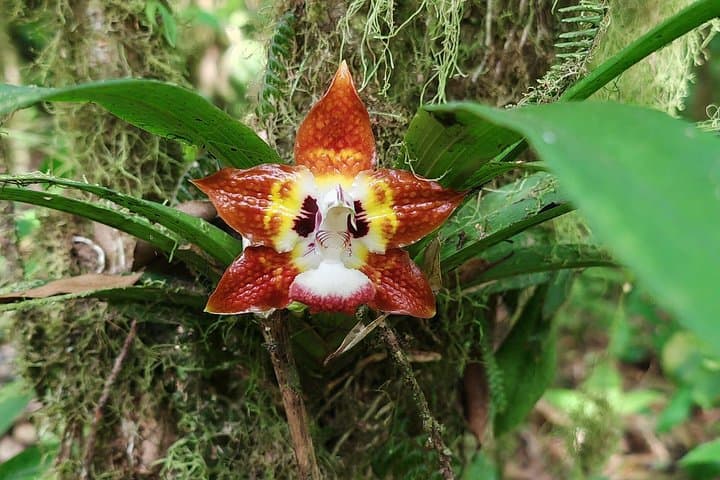
Cocoa in Costa Rica traces colonial and smallholder histories: in Bijagua you’ll see traditional fermentation and drying techniques alongside living trees, and learn how local sodas (small family restaurants) turned harvested beans into community income. The forests you walk were shaped by eruptions and stream-carved valleys; their understory shelters amphibians that are both ecologically sensitive and visually arresting.
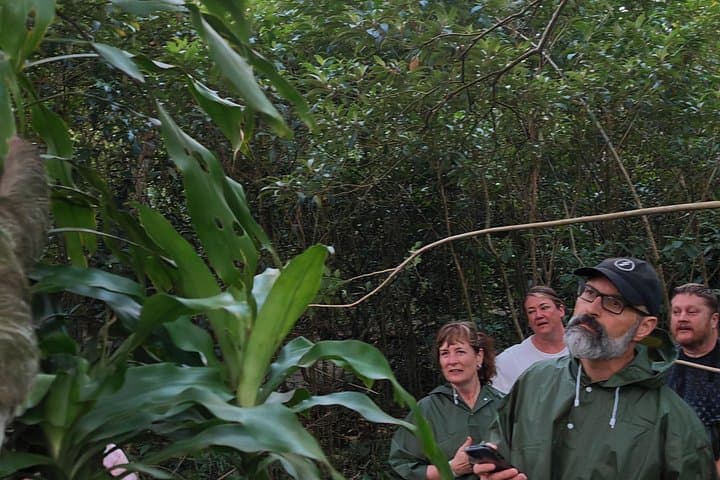
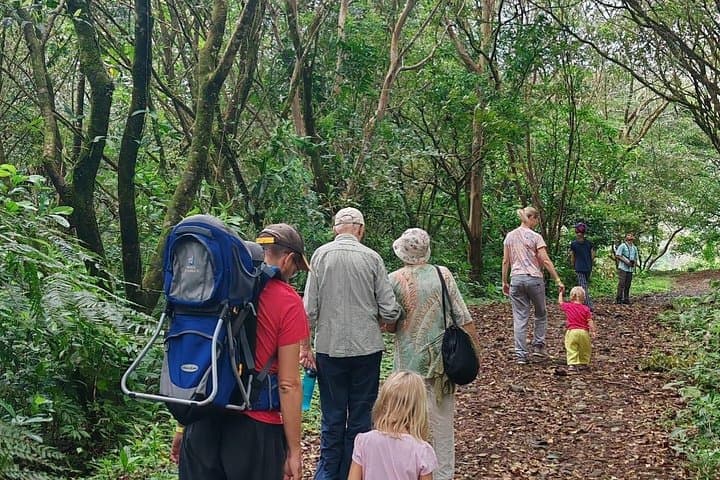
Practically, expect 1–1.5 hour walks on mostly flat, sometimes muddy plantation and forest tracks, gentle pace, frequent stops for spotting and interpretation. Guides point out leaf litter microhabitats for frogs and the crown-line highways where sloths feed. Bring daylight-appropriate optics, a lightweight rain jacket and insect protection; hydration and a typical Costa Rican casado lunch are included.
This is an accessible half-day wildlife immersion that rewards quiet observation and patience — a good match for curious travelers who prefer slow, responsible wildlife encounters over adrenaline-driven excursions.
Expect three walking segments of roughly 60–90 minutes each: cocoa plantation, sloth forest, and the private frogs/snakes property; pace is leisurely with frequent stops.
Yes — the tour is family-friendly; infants can use strollers for short transfers and infant seats are available for vehicle pickups.
No wildlife is guaranteed, but guides know local hotspots where sloths, tree frogs and non-venomous snakes are commonly observed; sightings depend on season and time of day.
Yes — private transport, bottled water and a typical Costa Rican casado lunch are included in the tour price.
Costa Rica Getaround operates guided outdoor trips and adventures with an emphasis on safety, stewardship, and memorable experiences.
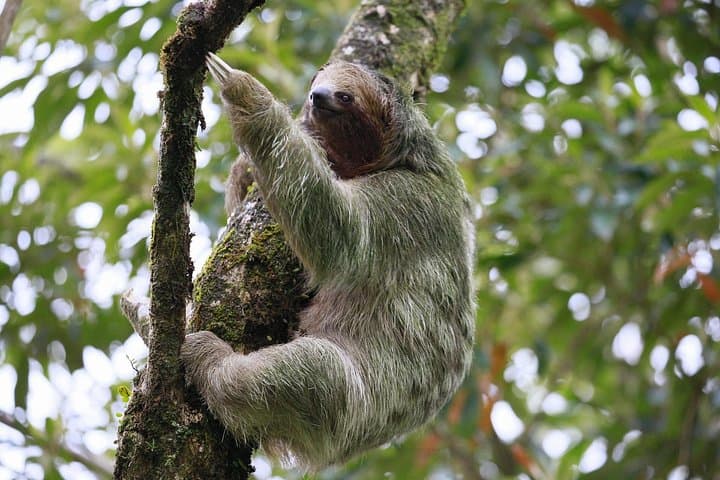
You push through a fringe of palm and broadleaf where humid air smells faintly of earth and fermenting cocoa pods; high above, a three-toed sloth regards you slowly as a chorus of frogs answers from a nearby creek.
You push through a fringe of palm and broadleaf where humid air smells faintly of earth and fermenting cocoa pods; high above, a three-toed sloth regards you slowly as a chorus of frogs answers from a nearby creek.
This private Bijagua tour strings together a cocoa plantation walk, a sloth-focused forest stroll and a guided visit to a private amphibian and snake collection — all within the shadow of Tenorio’s volcanic soils. The area’s volcanic origin created rich, well-draining soils ideal for cacao and a mosaic of habitat that supports amphibians, migratory birds and slow-moving mammals.
Cocoa in Costa Rica traces colonial and smallholder histories: in Bijagua you’ll see traditional fermentation and drying techniques alongside living trees, and learn how local sodas (small family restaurants) turned harvested beans into community income. The forests you walk were shaped by eruptions and stream-carved valleys; their understory shelters amphibians that are both ecologically sensitive and visually arresting.
Practically, expect 1–1.5 hour walks on mostly flat, sometimes muddy plantation and forest tracks, gentle pace, frequent stops for spotting and interpretation. Guides point out leaf litter microhabitats for frogs and the crown-line highways where sloths feed. Bring daylight-appropriate optics, a lightweight rain jacket and insect protection; hydration and a typical Costa Rican casado lunch are included.
This is an accessible half-day wildlife immersion that rewards quiet observation and patience — a good match for curious travelers who prefer slow, responsible wildlife encounters over adrenaline-driven excursions.