
Bijagua Wildlife Walk: Short Guided Nature Tour to See Sloths, Frogs & Birds
A short guided wildlife walk from Bijagua offers concentrated viewing of sloths, frogs and forest birds in volcanic highland habitat. Small groups and local guides prioritize low-impact sightings and natural-history interpretation.
An Adventure In Bijagua de Upala.
A short guided wildlife walk from Bijagua offers concentrated viewing of sloths, frogs and forest birds in volcanic highland habitat. Small groups and local guides prioritize low-impact sightings and natural-history interpretation.
Read the full experience
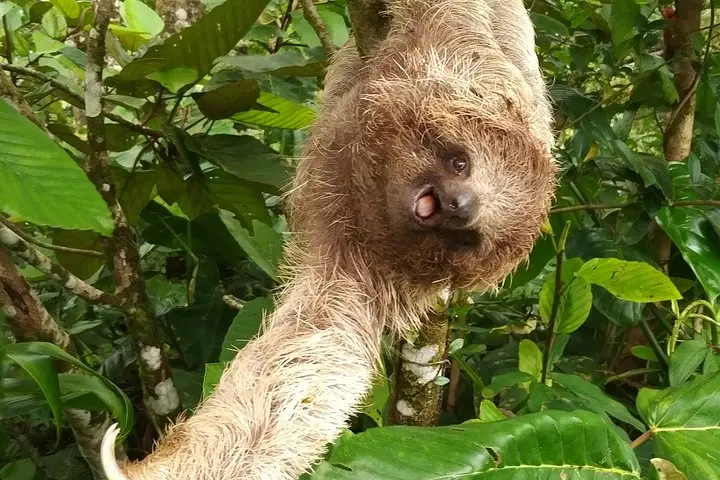
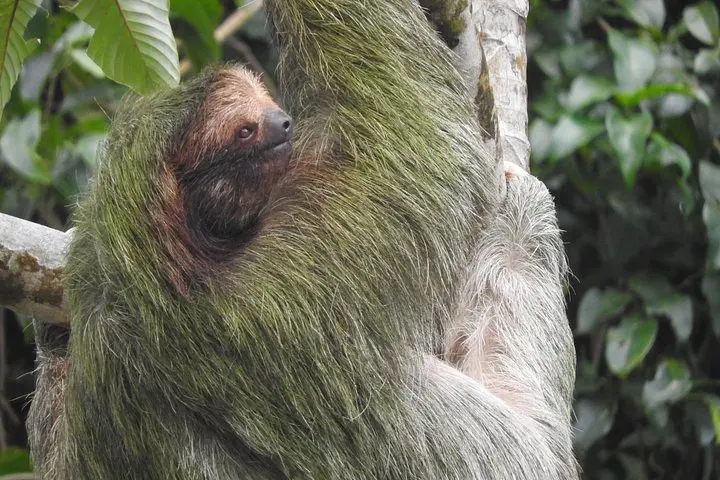
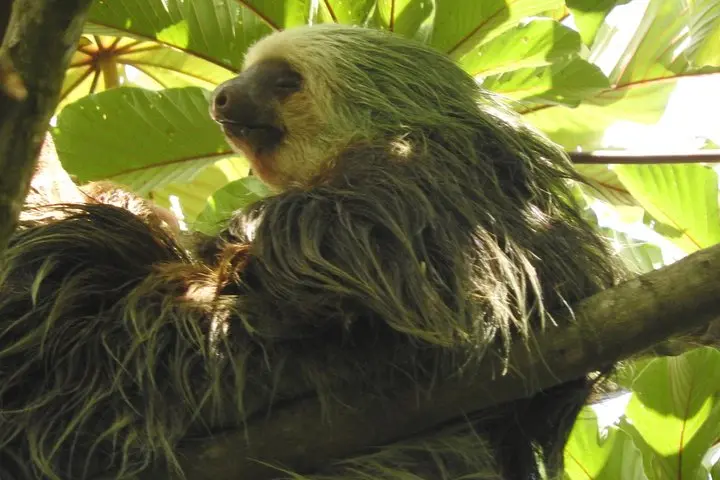
A low cloud lifts off the ridgeline and Bijagua’s green slopes breathe into the morning. Participants step from a shaded lane into a patchwork of small farms and secondary forest where the guides slow the pace and the forest answers — a frog calls, a sloth blinks from a cecropia, and an unseen bird sketches a warning call above.
A low cloud lifts off the ridgeline and Bijagua’s green slopes breathe into the morning. Participants step from a shaded lane into a patchwork of small farms and secondary forest where the guides slow the pace and the forest answers — a frog calls, a sloth blinks from a cecropia, and an unseen bird sketches a warning call above.
Bijagua sits at the northern edge of Costa Rica’s volcanic highlands, a gateway to Tenorio Volcano National Park and the famous Río Celeste. The valley’s soils are volcanic and rich, feeding plantations and riparian corridors that concentrate wildlife. Local culture mixes rural farming with ecotourism; many guides are community members trained to read animal signs and explain the geology that makes this place fertile.
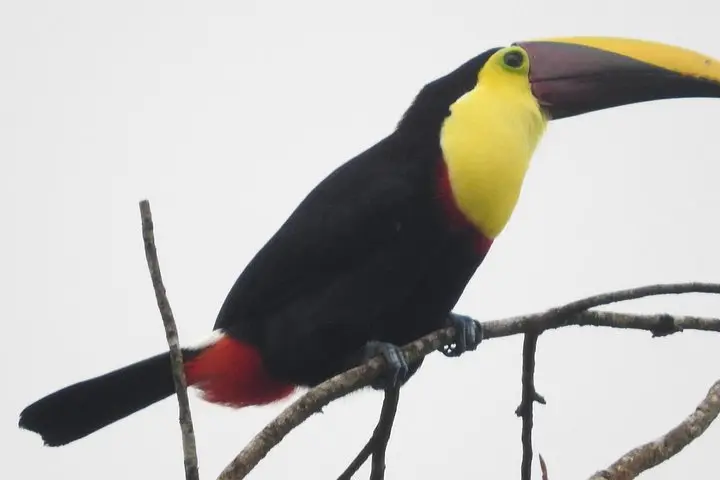
This guided walk lasts roughly 60–90 minutes and is deliberately small-group to reduce disturbance—ideal for focused wildlife viewing rather than long-distance hiking. Expect low-impact trails through plantations and secondary forest, easy footing but with damp patches after rain. Wildlife sightings commonly include sloths, small frogs, and a variety of understory and canopy birds; tapir sign is a rare possibility.
Practical notes: choose a morning slot for cooler, more active wildlife; wear closed-toe shoes with good grip and bring a lightweight rain jacket and water. Binoculars and a zoom lens increase sightings. Guides provide natural-history context and time to share photos at the end, keeping the experience educational and low-impact.
Frequently asked questions
The walk runs about 60–90 minutes, depending on sightings and group pace.
Yes; the route is low-impact and guides tailor the pace to the group’s needs.
Common sightings include sloths, small frogs, and a variety of birds; tapir tracks or rarer mammals are occasional.
Full refund available if canceled at least 24 hours before departure; bookings may be canceled if minimum numbers aren't met.
About This Experience
Spring Paradise Bijagua S.A.. operates guided outdoor trips and adventures with an emphasis on safety, stewardship, and memorable experiences.
Adventure tips
Recommended gear
- Sturdy trail shoes: Protects your feet on muddy or uneven plantation trails.
- Lightweight rain jacket: Quick showers are common in the wet season; a packable jacket keeps you dry.
- Binoculars: Helps spot sloths and canopy birds without disturbing them.
- Reusable water bottle: Short walk but stay hydrated in humid tropical conditions.
Photos of the experience
Related adventures & guides
Read the full experience
A low cloud lifts off the ridgeline and Bijagua’s green slopes breathe into the morning. Participants step from a shaded lane into a patchwork of small farms and secondary forest where the guides slow the pace and the forest answers — a frog calls, a sloth blinks from a cecropia, and an unseen bird sketches a warning call above.
A low cloud lifts off the ridgeline and Bijagua’s green slopes breathe into the morning. Participants step from a shaded lane into a patchwork of small farms and secondary forest where the guides slow the pace and the forest answers — a frog calls, a sloth blinks from a cecropia, and an unseen bird sketches a warning call above.
Bijagua sits at the northern edge of Costa Rica’s volcanic highlands, a gateway to Tenorio Volcano National Park and the famous Río Celeste. The valley’s soils are volcanic and rich, feeding plantations and riparian corridors that concentrate wildlife. Local culture mixes rural farming with ecotourism; many guides are community members trained to read animal signs and explain the geology that makes this place fertile.
This guided walk lasts roughly 60–90 minutes and is deliberately small-group to reduce disturbance—ideal for focused wildlife viewing rather than long-distance hiking. Expect low-impact trails through plantations and secondary forest, easy footing but with damp patches after rain. Wildlife sightings commonly include sloths, small frogs, and a variety of understory and canopy birds; tapir sign is a rare possibility.
Practical notes: choose a morning slot for cooler, more active wildlife; wear closed-toe shoes with good grip and bring a lightweight rain jacket and water. Binoculars and a zoom lens increase sightings. Guides provide natural-history context and time to share photos at the end, keeping the experience educational and low-impact.
Make a day of it nearby.
Verified experiences and guided adventures in the surrounding area.