THE ADVENTURE COLLECTIVE® · Independent discovery and booking for outdoor travel

Visit Asia’s camel research and breeding center, watch distinct camel breeds, sample camel-milk treats and finish at Junagarh Fort’s ornate palaces. This half-day private tour mixes wildlife insight with regional history and practical tips for visitors.
Visit Asia’s camel research and breeding center, watch distinct camel breeds, sample camel-milk treats and finish at Junagarh Fort’s ornate palaces. This half-day private tour mixes wildlife insight with regional history and practical tips for visitors.
You emerge from Bikaner’s sun-baked streets into a quieter fold of the Thar where camels amble with deliberate dignity — this is the Camel Breeding Farm, Asia’s dedicated research center for the dromedary.
Verified experiences and guided adventures in the surrounding area.
Operated by Discover Activities · Bikaner, Rajasthan
You emerge from Bikaner’s sun-baked streets into a quieter fold of the Thar where camels amble with deliberate dignity — this is the Camel Breeding Farm, Asia’s dedicated research center for the dromedary.
The farm’s pens and open paddocks give a close-up look at different breeds, their behavior and the research that underpins Rajasthan’s pastoral life. A small museum frames camel breeding, milk uses and veterinary advances; nearby vendors sell camel-milk ice cream and beverages that feel both novel and rooted in local practice. From the farm the day folds back into the city: Junagarh Fort’s 16th-century ramparts and jewel-like interiors reveal stone carving, enamel and mirror work that marked Bikaner’s royal ambitions.
Geology and climate shape both sites: arid plains of the Thar, sparse vegetation and wind-sculpted soils shape camel physiology and local architecture’s thick walls and shaded courtyards. Culturally, camels are economic partners — for transport, dairy and ceremonial life — and the NRCC reflects conservation and livelihood goals.
Practical guidance: plan a half-day trip (roughly four hours) with sun protection, cash for small purchases and comfortable shoes for uneven surfaces. Expect dusty paths at the farm, occasional strong sun, and friendly guides who explain husbandry and historic context. Photography is welcomed but stay behind barriers around animals and respect handlers’ instructions. Morning visits are cooler and more active for animals; combine the farm with Junagarh Fort for a compact cultural-natural day in Bikaner.
Camel rides and short safaris are often available at the farm but may be optional and priced separately; confirm when booking.
Yes—this activity is family-friendly; infants must sit on an adult’s lap during transport and handlers will advise on safe proximity to animals.
October–March offers cooler weather and more comfortable touring; mornings are preferable year-round to avoid midday heat.
The farm and Junagarh Fort have uneven ground and steps; accessibility is limited—contact the operator for specific assistance options.
Discover Activities operates guided outdoor trips and adventures with an emphasis on safety, stewardship, and memorable experiences.
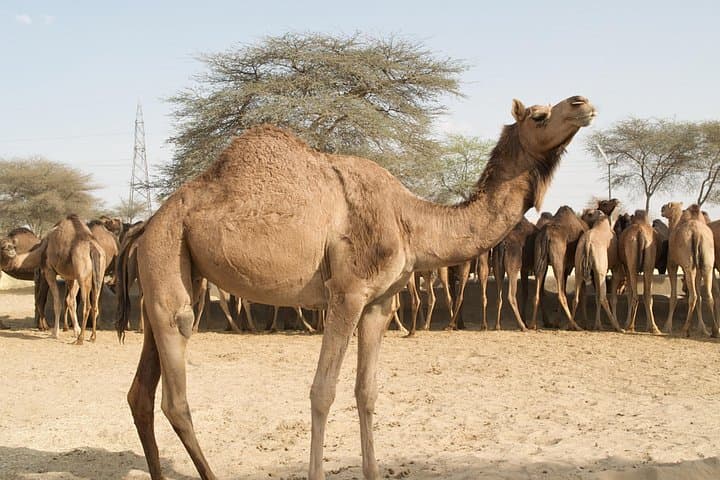


You emerge from Bikaner’s sun-baked streets into a quieter fold of the Thar where camels amble with deliberate dignity — this is the Camel Breeding Farm, Asia’s dedicated research center for the dromedary.
You emerge from Bikaner’s sun-baked streets into a quieter fold of the Thar where camels amble with deliberate dignity — this is the Camel Breeding Farm, Asia’s dedicated research center for the dromedary.
The farm’s pens and open paddocks give a close-up look at different breeds, their behavior and the research that underpins Rajasthan’s pastoral life. A small museum frames camel breeding, milk uses and veterinary advances; nearby vendors sell camel-milk ice cream and beverages that feel both novel and rooted in local practice. From the farm the day folds back into the city: Junagarh Fort’s 16th-century ramparts and jewel-like interiors reveal stone carving, enamel and mirror work that marked Bikaner’s royal ambitions.
Geology and climate shape both sites: arid plains of the Thar, sparse vegetation and wind-sculpted soils shape camel physiology and local architecture’s thick walls and shaded courtyards. Culturally, camels are economic partners — for transport, dairy and ceremonial life — and the NRCC reflects conservation and livelihood goals.
Practical guidance: plan a half-day trip (roughly four hours) with sun protection, cash for small purchases and comfortable shoes for uneven surfaces. Expect dusty paths at the farm, occasional strong sun, and friendly guides who explain husbandry and historic context. Photography is welcomed but stay behind barriers around animals and respect handlers’ instructions. Morning visits are cooler and more active for animals; combine the farm with Junagarh Fort for a compact cultural-natural day in Bikaner.